Translated with AI























For the third year in a row, Afghanistan has ranked last in the Global KidsRights Index, which is published annually by the Dutch foundation KidsRights in conjunction with Erasmus University in Rotterdam, Fergana.ru reports.
The ranking covers 194 states party to the UN Convention on the Rights of the Child and assesses the situation in five areas: survival, health, education, protection, and enabling environment. Based on the 2026 results, Afghanistan scored 0.214 points out of a possible 1, placing it last, behind Chad and Guinea.
The country received the lowest score in the "Favorable Environment" category, with a score of 0.010. Education was rated at 0.286, protection at 0.549, survival at 0.454, and healthcare at 0.635.
The study's authors note that one of the main reasons for such low results remains the ban on girls' education. Since the Taliban came to power in August 2021, Afghanistan remains the only country in the world where girls are barred from secondary and higher education. According to the index's authors, this policy directly impacts the country's education performance.
In addition to limitations in the education system, Afghanistan continues to face a massive humanitarian and economic crisis. According to international organizations, millions of people in the country live below the poverty line, and the economic downturn and lack of jobs deprive many families of the ability to meet basic needs.
According to the United Nations Children's Fund (UNICEF), 21.9 million people in Afghanistan, including 11.6 million children, will require humanitarian assistance in 2026. The deteriorating economic situation, climate disasters, and forced displacement are placing additional pressure on the population.
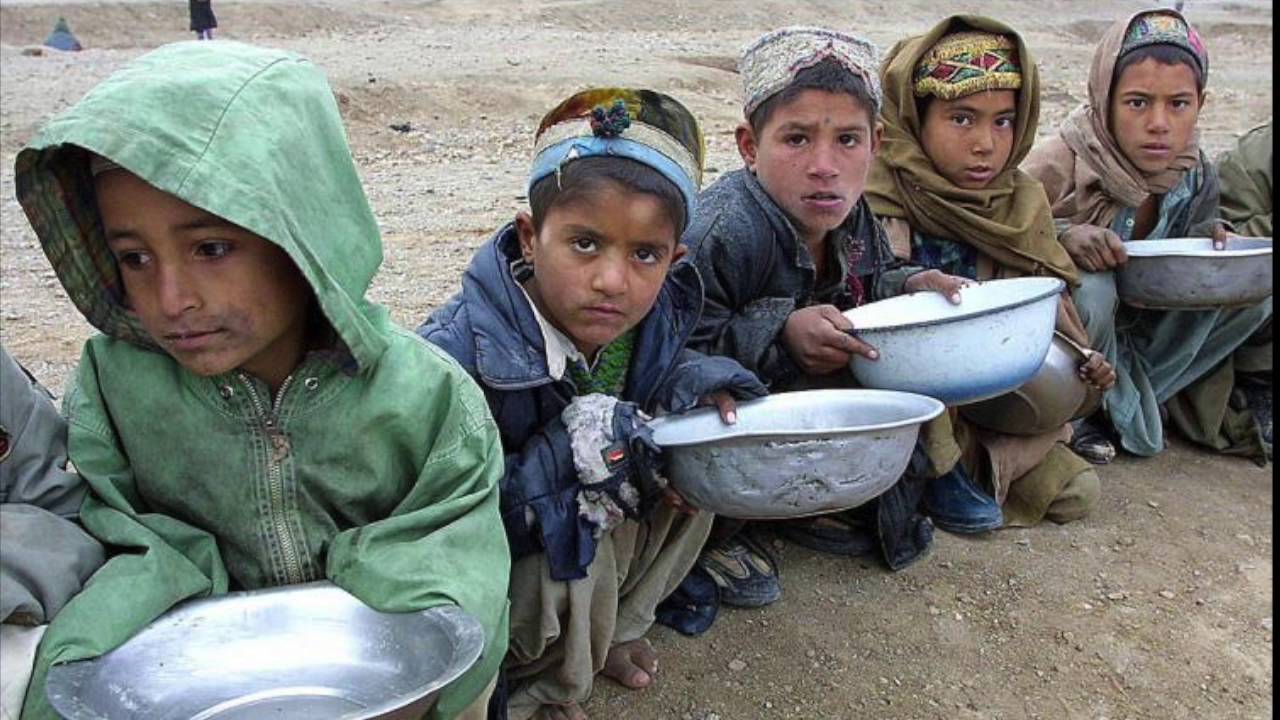
The situation with child malnutrition is particularly concerning. According to UNICEF, nearly 942,000 children under five require treatment for severe acute malnutrition. Tens of thousands of children are already undergoing treatment, which, according to experts, indicates a deepening crisis in the healthcare system.
Afghan authorities rejected the study's findings. Taliban government deputy spokesman Mullah Hamdullah Fitrat called the report unfounded and untrue. He said the authorities pay sufficient attention to protecting children's rights, particularly in education and healthcare, and strictly enforce the ban on hazardous child labor.
At the same time, the report's authors emphasize that armed conflict, insecurity, and harsh living conditions continue to threaten the rights and well-being of millions of children worldwide.
KidsRights CEO Mark Dullert said that whether children grow up in war or face factors that undermine their health, the outcome is the same – their rights, well-being and future opportunities are at risk.
The leaders of the 2026 ranking were Luxembourg, Iceland, Monaco, and Germany. The top ten also included the Netherlands, Norway, Greece, Belgium, Slovenia, Austria, and Thailand.
Among Central Asian countries, Kazakhstan ranked highest, coming in 24th. Turkmenistan ranked 75th, Kyrgyzstan 82nd, Tajikistan 92nd, and Uzbekistan 96th.
By comparison, China ranked 81st, Russia 151st, Myanmar 119th, Israel 110th, Ukraine 36th, and the United Kingdom 132nd. The United States is not included in the ranking because it has signed the UN Convention on the Rights of the Child but has not yet ratified it.