Translated with AI

























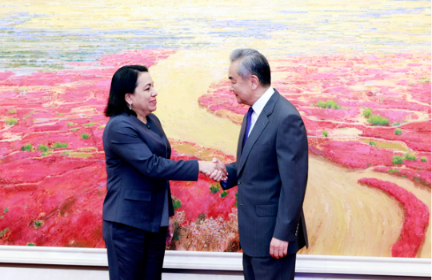






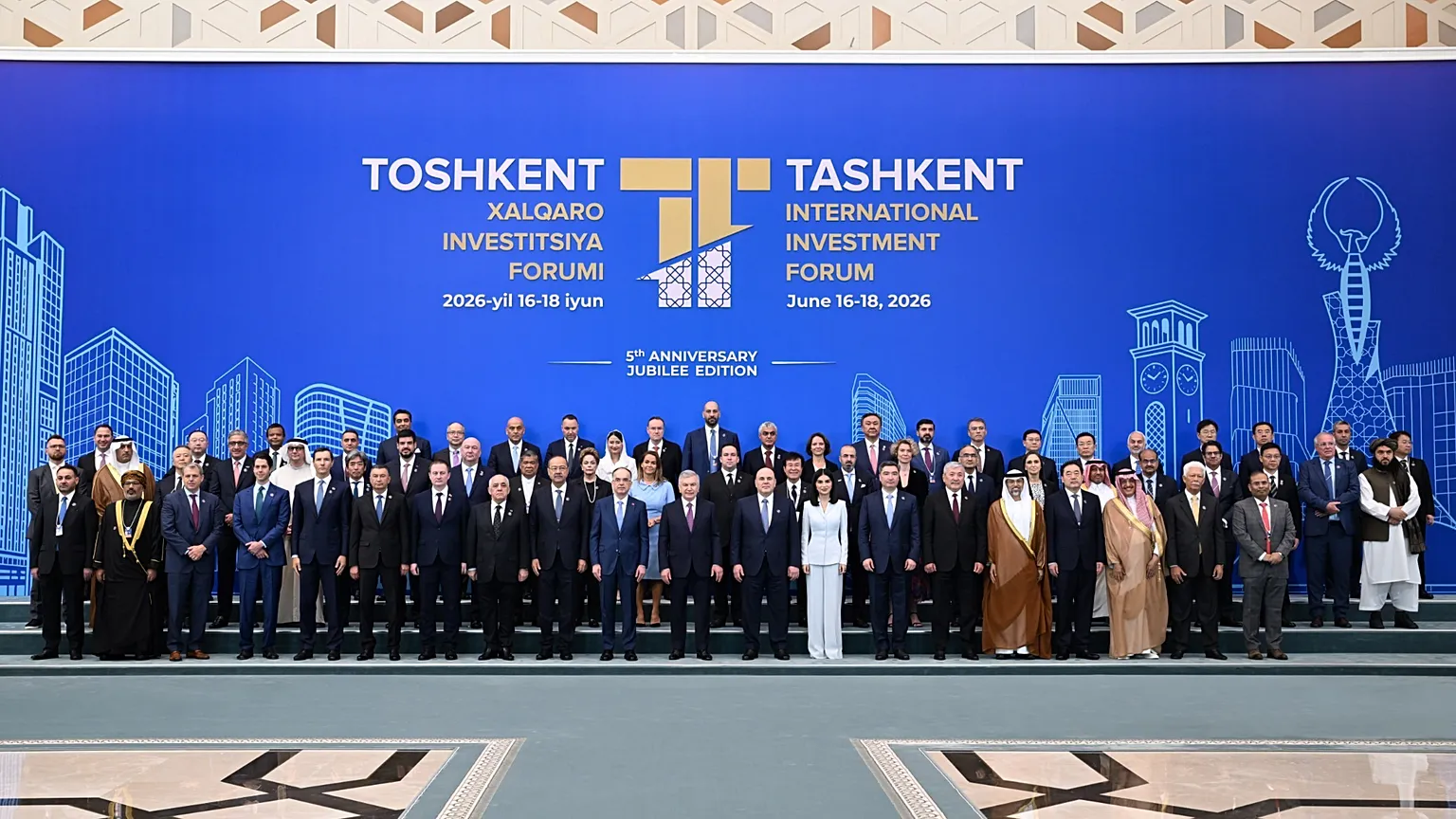
The 5th Tashkent International Investment Forum, held from June 16 to 18, 2026, concluded in Tashkent. The event became one of the region's largest international platforms for discussing investment, industrial development, transport connectivity, and economic cooperation.
The forum brought together approximately 4,000 participants from more than 100 countries. Heads of state, government representatives, international financial institutions, major investment funds, transnational corporations, and business leaders arrived in the capital of Uzbekistan.
The central event of the forum was the speech by President of Uzbekistan Shavkat Mirziyoyev, who presented a strategic vision for the country's further economic development and outlined key areas for attracting foreign investment.
The head of state announced plans to establish a new International Financial Center, which will operate under a separate constitutional law and a special legal regime based on the principles of English common law. Participants in the center will enjoy extensive tax incentives, including exemptions from income tax, value-added tax, property tax, and customs duties for 50 years.
Uzbekistan's Minister of Investment, Industry, and Trade, Laziz Kudratov, noted that the new financial center will create a familiar and understandable regulatory environment for international investors and enable them to operate in accordance with international standards. Furthermore, the country is developing new legislation on alternative investment funds aimed at protecting venture capital and private investment.
Speaking at the opening of the forum, Shavkat Mirziyoyev reported that in recent years, Uzbekistan has attracted more than $150 billion in foreign investment, $123 billion of which came in the past five years.
According to the president, the country's economy is demonstrating sustainable growth. In 2025, foreign investment reached $43 billion, international reserves exceeded $70 billion, and this year, the country's gross domestic product is expected to exceed $180 billion.
The President also noted Uzbekistan's strengthening international standing. Specifically, the country climbed 14 spots in the Index of Economic Freedom and entered the category of moderately free economies for the first time.
Six priority areas for investment cooperation were identified at the forum. These include strengthening legal guarantees for investors, developing capital markets and alternative financial instruments, expanding the production of high-value-added products, advancing green energy and artificial intelligence, improving transport connectivity, and deepening investment cooperation in regional development.
The Uzbek government also confirmed plans for further privatization of state assets. Assets worth approximately $6 billion are expected to be auctioned in 2026. Furthermore, the authorities intend to issue sovereign Islamic bonds and adopt new capital markets legislation.
One of the forum's key topics was the development of international cooperation. Participants discussed sustainable infrastructure, energy transition, industrial development, and regional trade.
Particular attention was paid to the Strategic Partnership between the European Union and Central Asian countries in the areas of investment, trade, and sustainable infrastructure development. Participants emphasized the growing interest in developing transport routes, energy cooperation, and attracting long-term investment to the region.
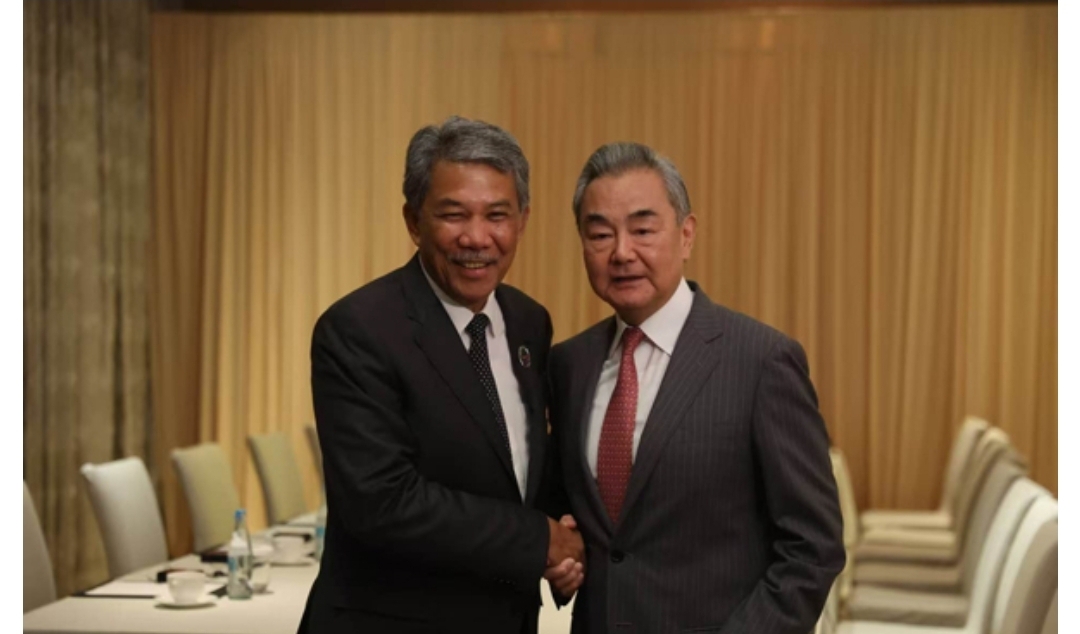
On the sidelines of the forum, the President of Uzbekistan held a series of bilateral meetings with foreign delegations and international business representatives. The talks focused on expanding cooperation in energy, industry, infrastructure, transport, and the implementation of joint investment projects.
Following the forum, Tashkent once again confirmed its status as one of Central Asia's leading platforms for discussing prospects for international investment cooperation and implementing major economic initiatives.