Translated with AI































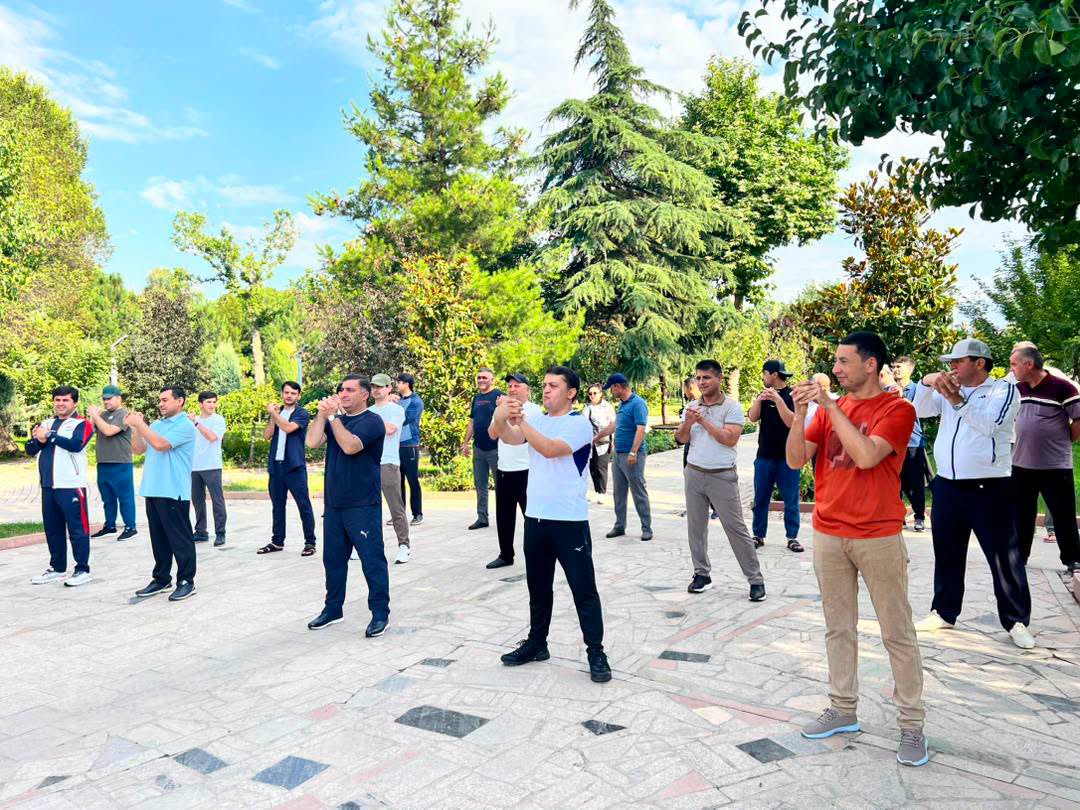
Employees of public and private institutions in Tajikistan are now required to perform daily physical exercise to prevent obesity and diabetes. This requirement is stipulated in the new Health Code, recently adopted by the country's parliament.
According to the document, employees of all public and private organizations must engage in physical exercise for at least 20 minutes per day.
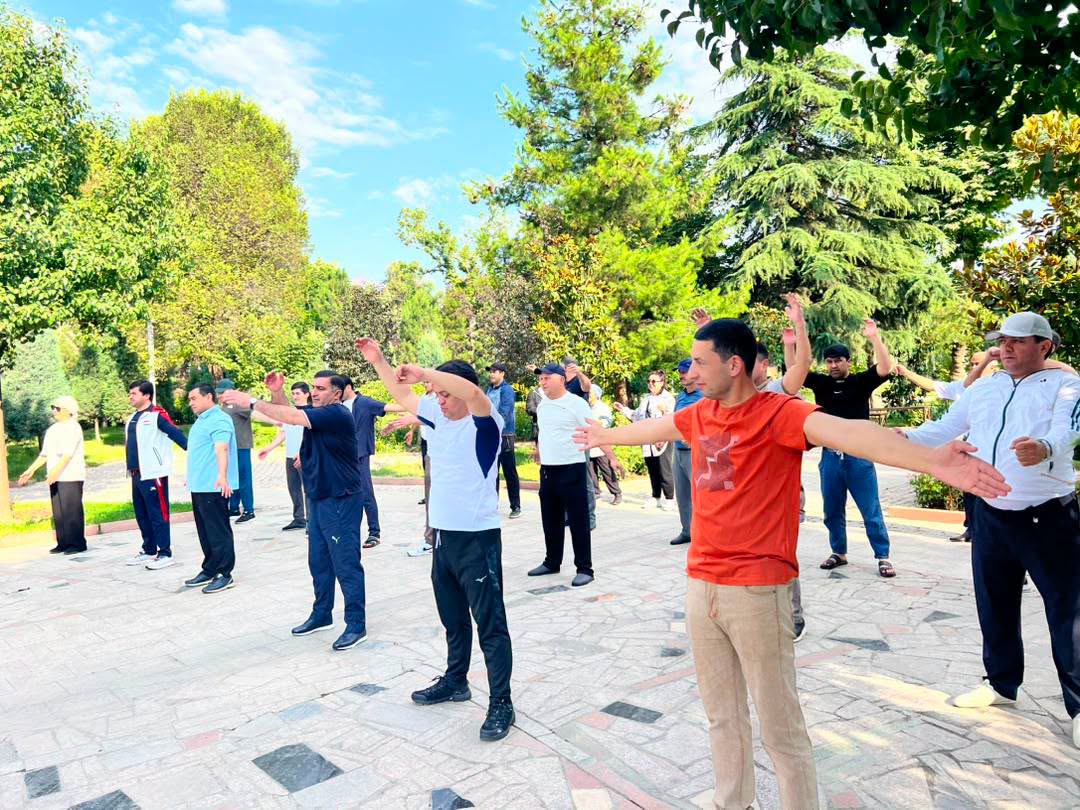
The new requirements also impose additional obligations on employers. Managers of establishments, regardless of ownership, are required to create conditions for physical exercise, provide employees with appropriate facilities, and personally participate in such activities.
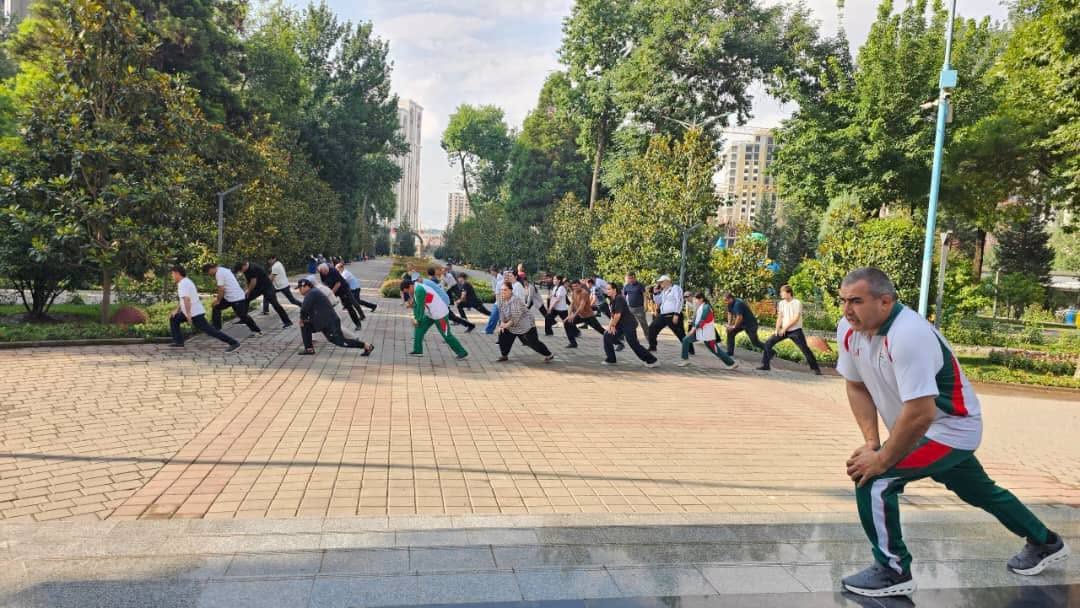
The Health Code states that employers and officials are required to organize regular physical exercise lasting at least 20 minutes daily.
Failure to comply with this requirement will result in penalties, including disciplinary action and reprimands.
Tajikistan's Minister of Justice, Muzaffar Ashuriyon, introducing the bill in parliament, explained that the law applies to all institutions, companies, and enterprises in the country—both public and private.
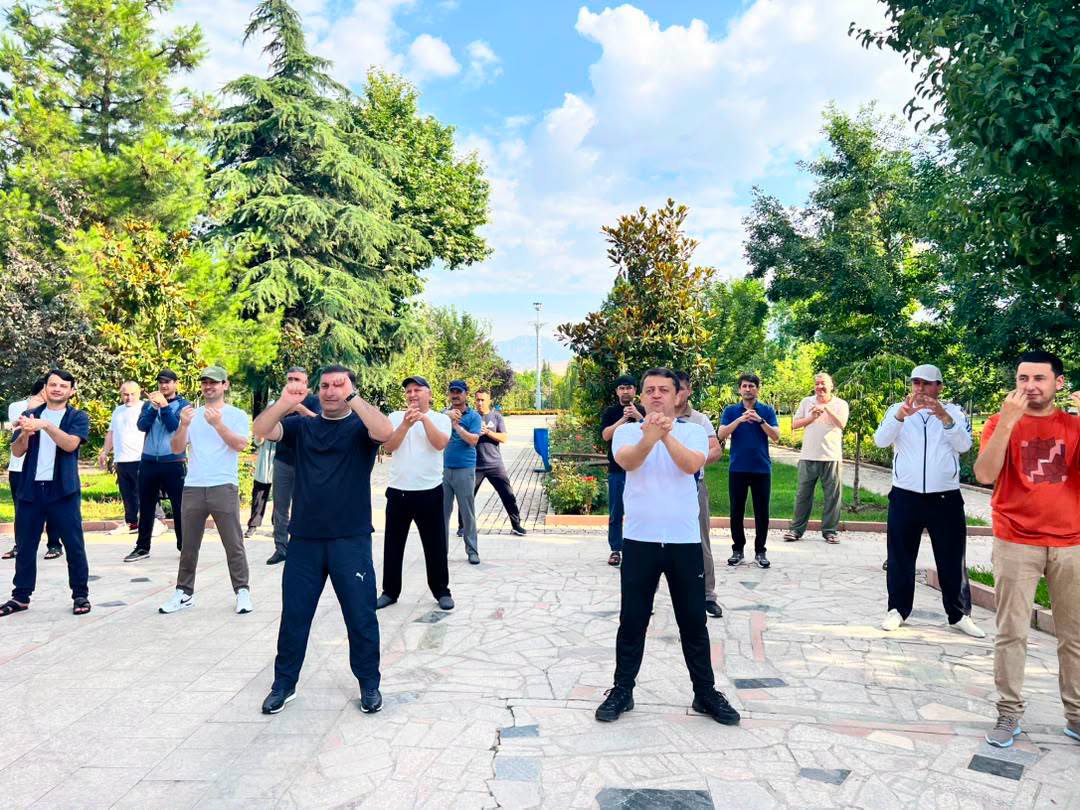
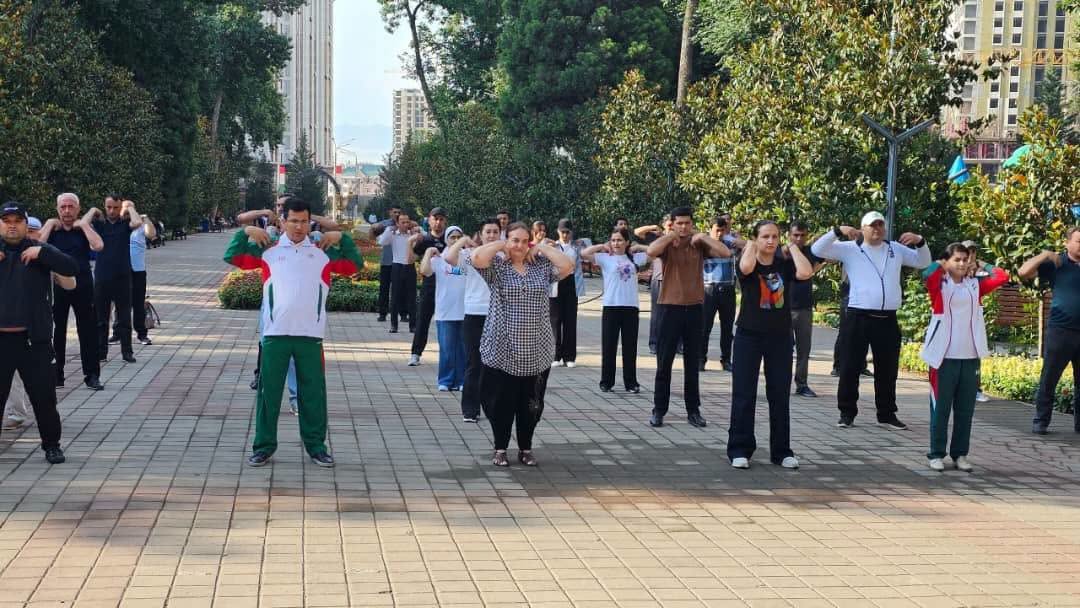
According to him, the obligation to regularly engage in physical exercise for at least 20 minutes a day has been supplemented by the responsibility of employers and officials, regardless of the organization's form of ownership.
Tajik authorities link the adoption of new regulations to the rise in diabetes cases among the population.
It is noted that the disease is increasingly being detected not only among the elderly and overweight, but also among young people, workers, and children. Therefore, the government intends to strengthen preventive measures.
According to the new Health Code, authorities will work to raise public awareness about diabetes and establish treatment centers for children and adults as a measure of social support for patients.
The document provides for the organization of social services at home and in specialized permanent residential facilities for patients, including people with disabilities and the elderly, who require temporary or permanent social assistance. These services will be provided by social workers.
In addition, the government has approved a list of antidiabetic drugs and self-monitoring tools that will be provided to patients free of charge.
A separate support measure is provided for children with diabetes. They are guaranteed free spa treatment once a year for medical reasons at specialized sanatoriums.
According to statistics, in 2025, approximately 82 thousand people were registered in Tajikistan suffering from diabetes.
The Republican Center for Clinical Endocrinology reported that the majority of patients are young and middle-aged people.