Translated with AI












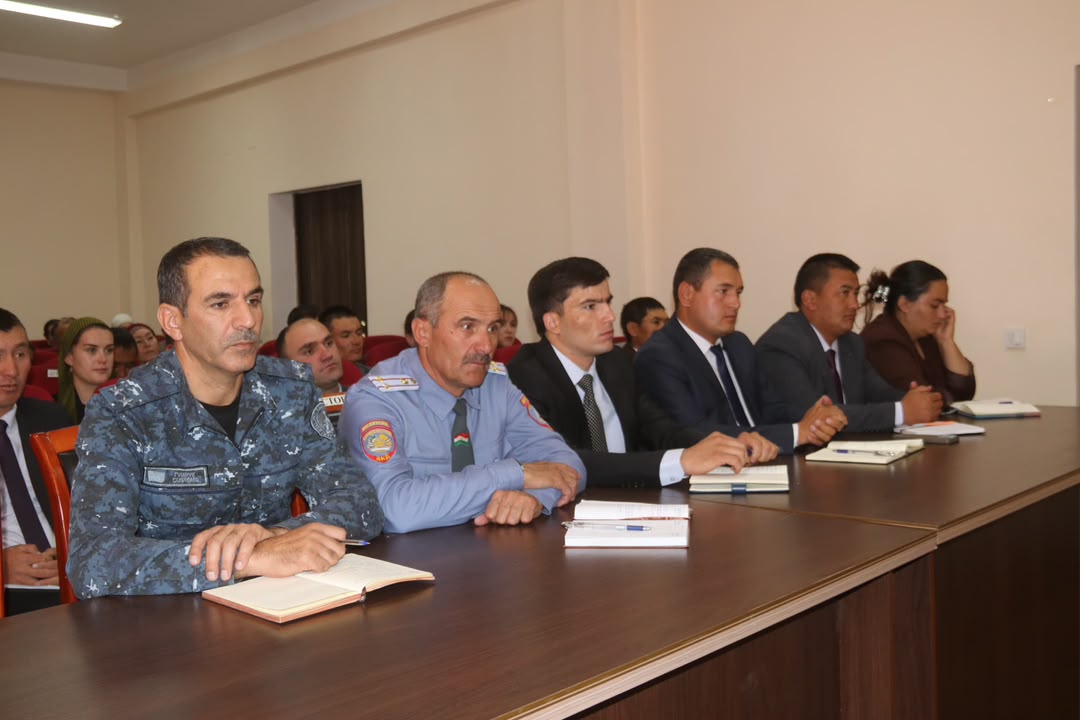





















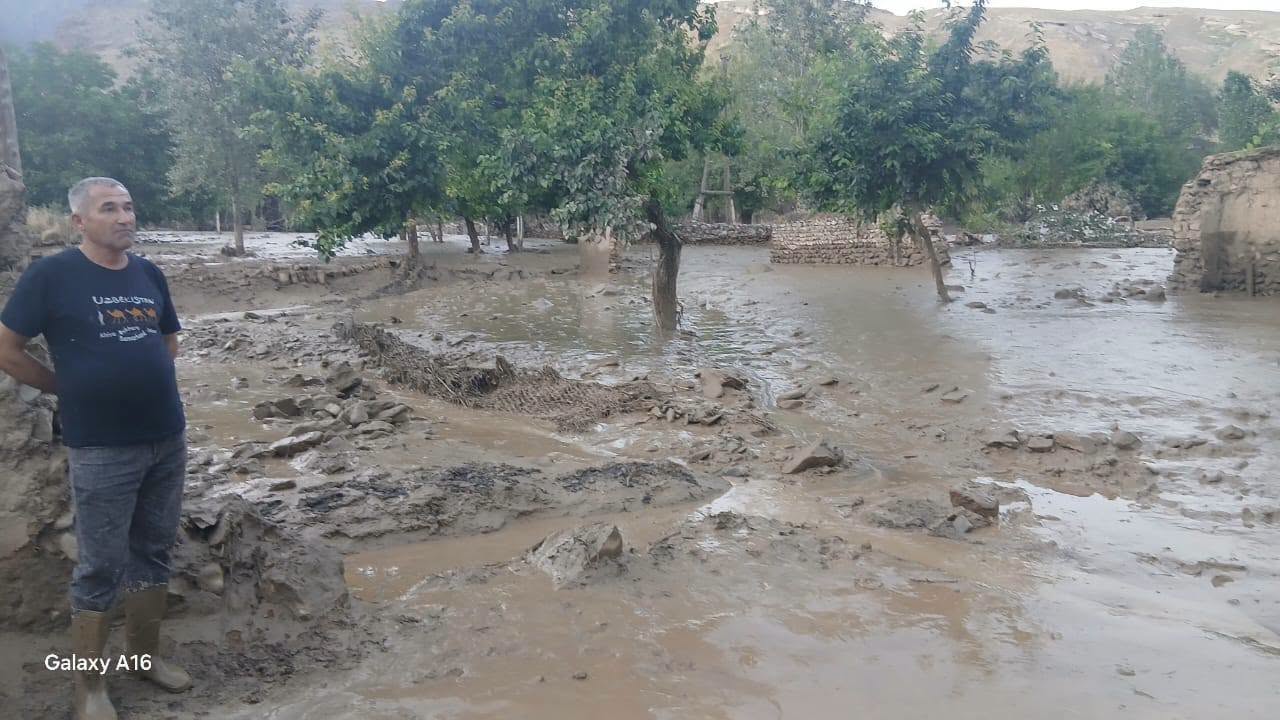
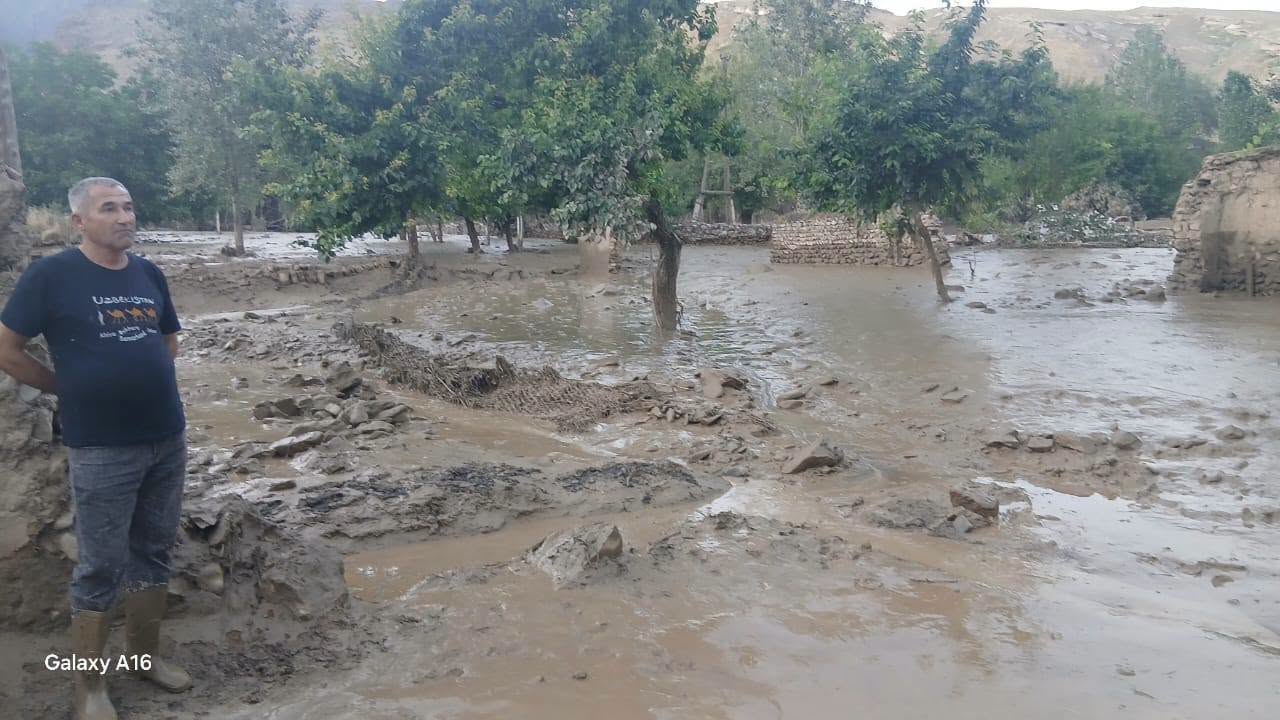
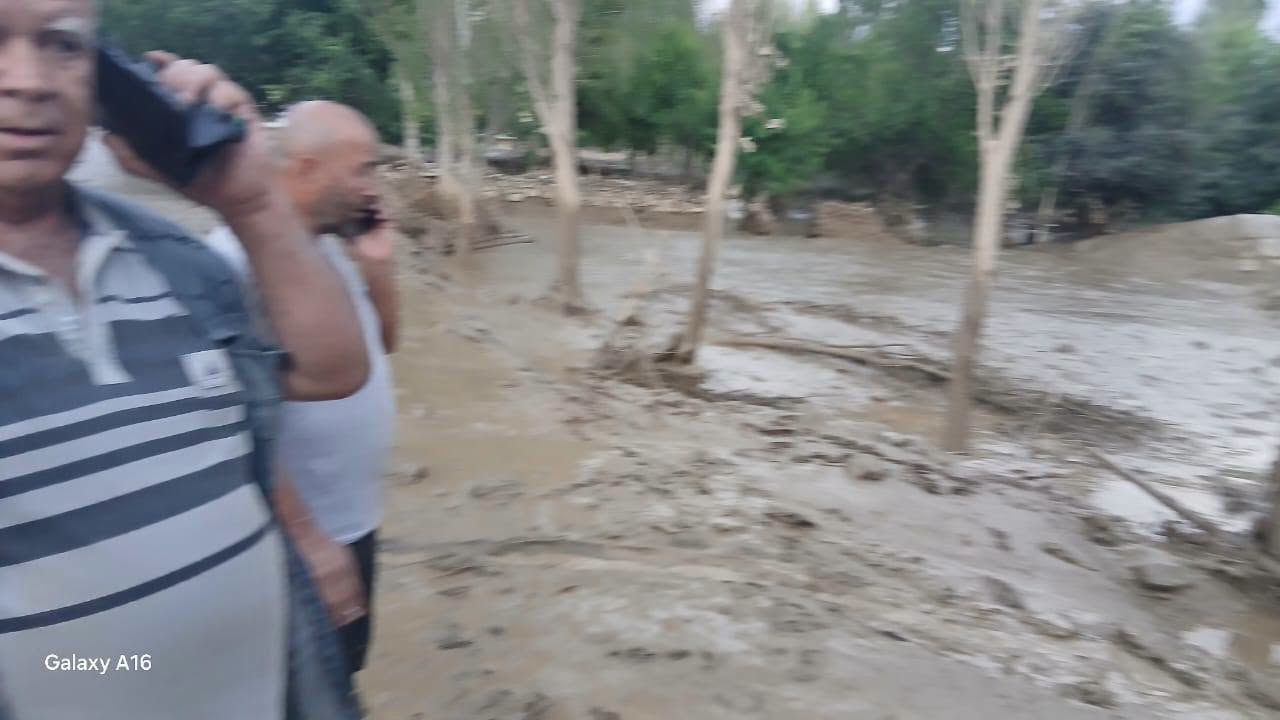
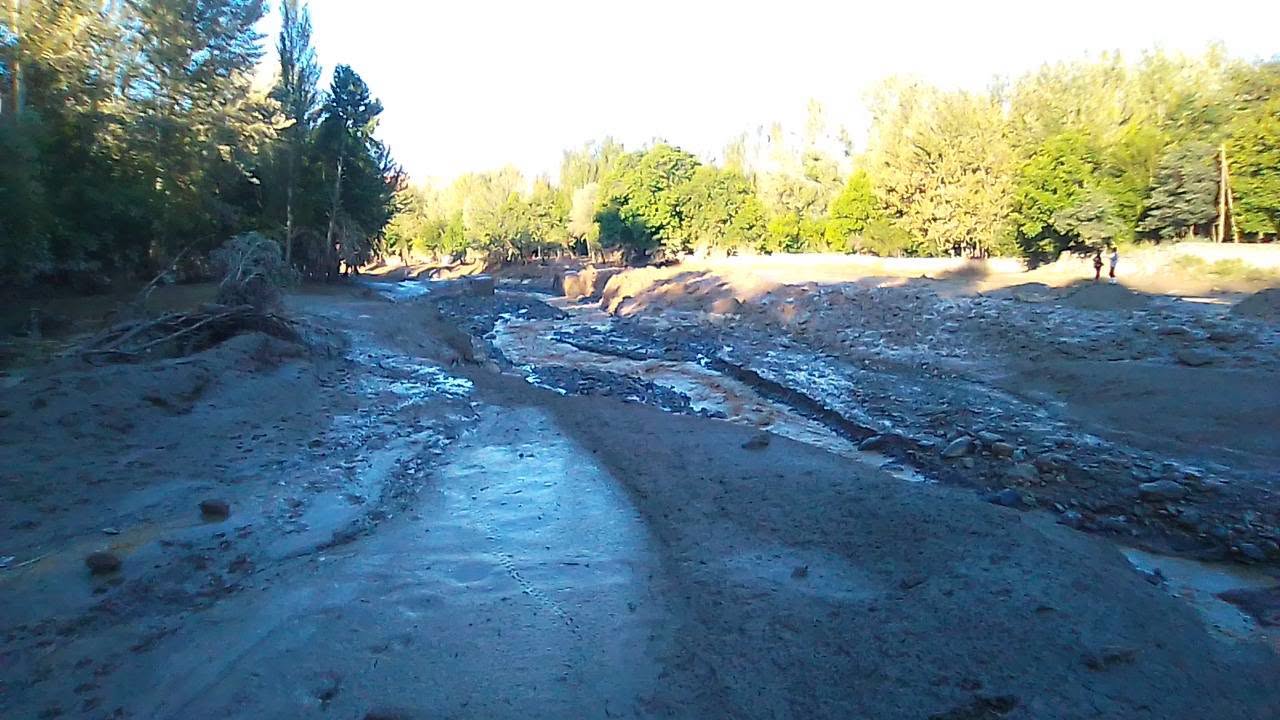
In the village of Rogi, Amondara, in the city of Penjikent, work continues to mitigate the aftermath of a mudslide caused by heavy rains on the afternoon of June 19. The city's press service reported this.
Immediately after the incident, a working group from the Headquarters for Emergency Situations and Civil Defense of the city's executive body visited the disaster site.
According to preliminary data from the city's Emergency Situations and Civil Defense Committee, the mudflow damaged 29 residential buildings and outbuildings. Large volumes of mud and sand were deposited inside the buildings.

Furthermore, the storm damaged a number of infrastructure facilities. Significant damage was caused to roads, power lines, and irrigation and drinking water systems.
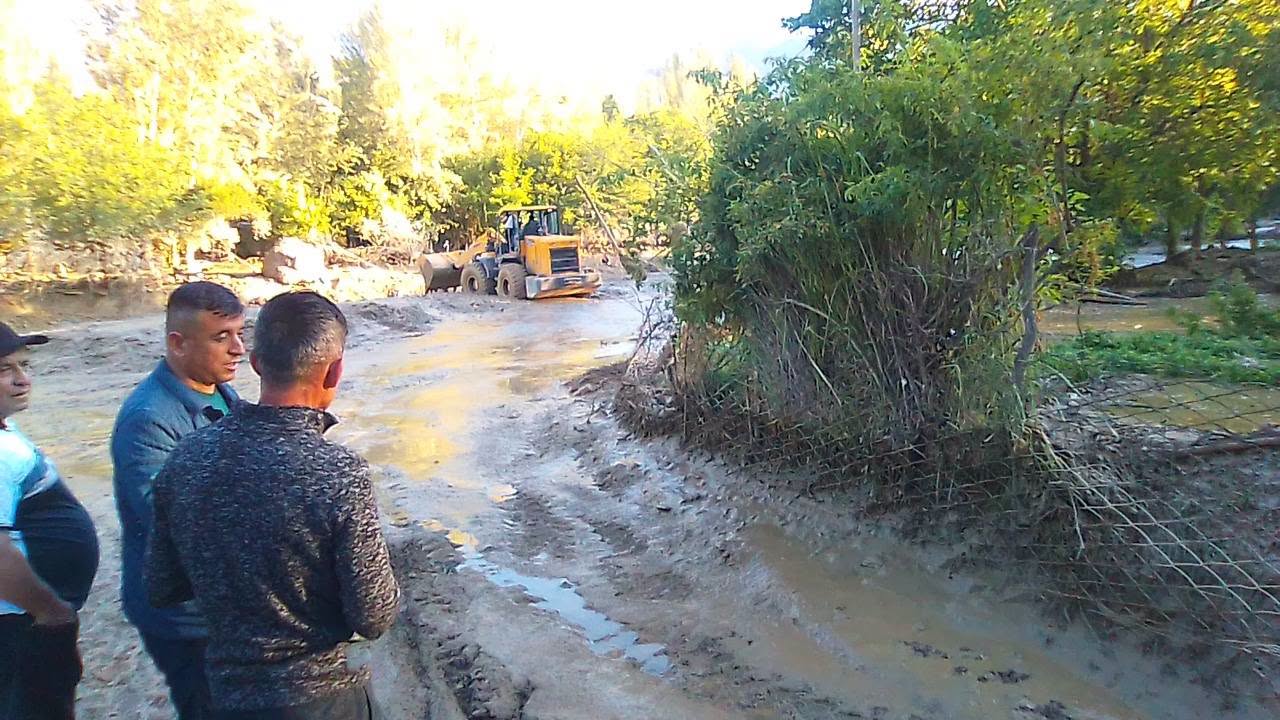
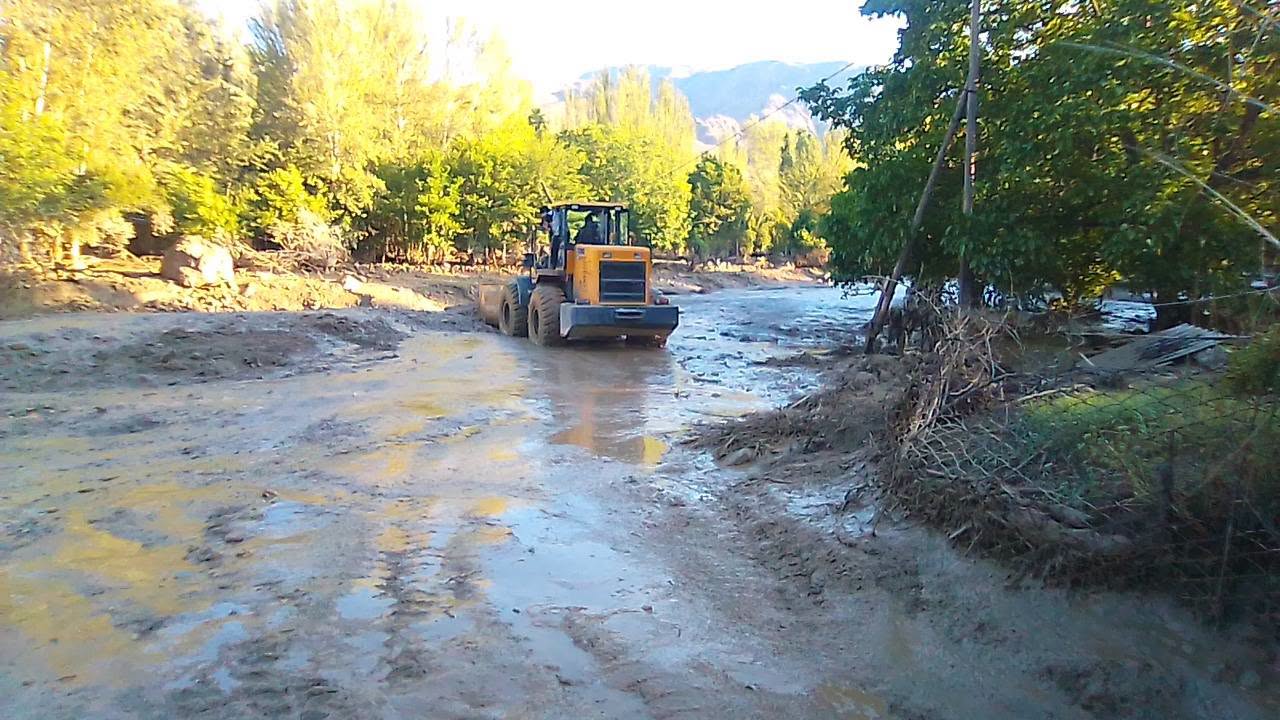
Specialized equipment was dispatched to the scene early in the morning of June 20. Specialists began repairing the road leading to the village. Cleanup efforts are ongoing.
Not only specialized services, but also local residents are participating in the clearing of the area and restoration work.
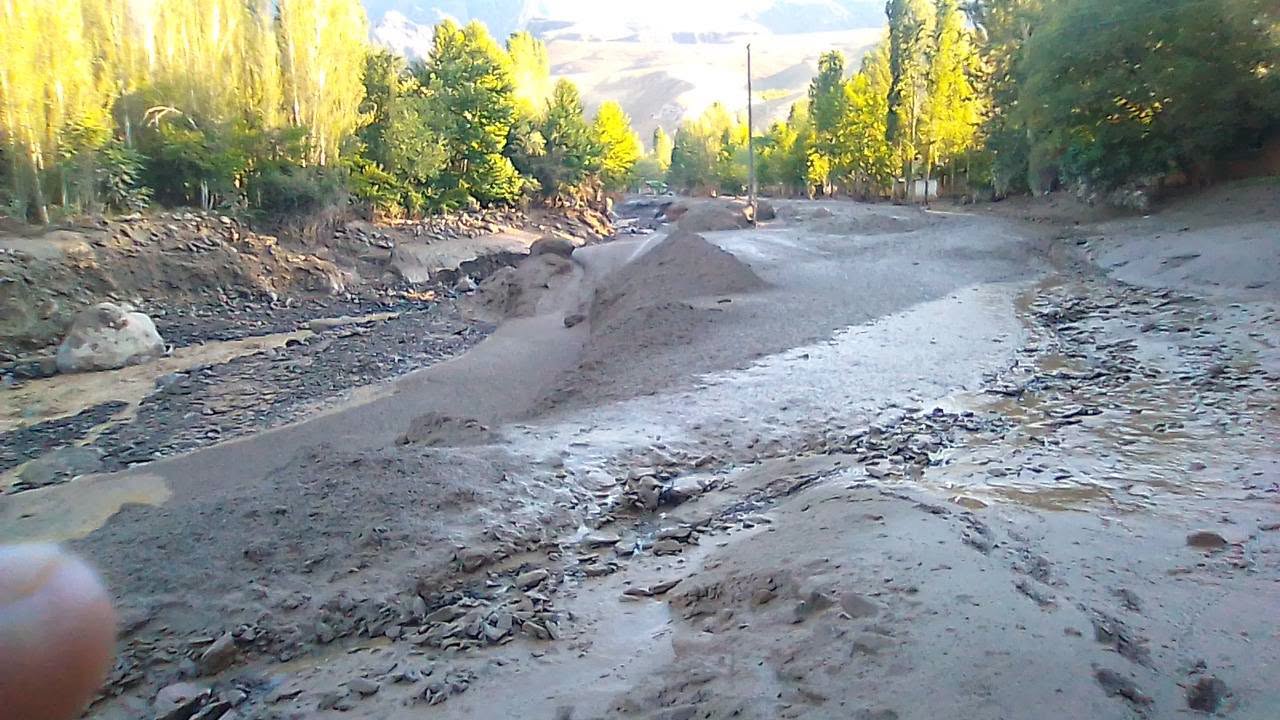
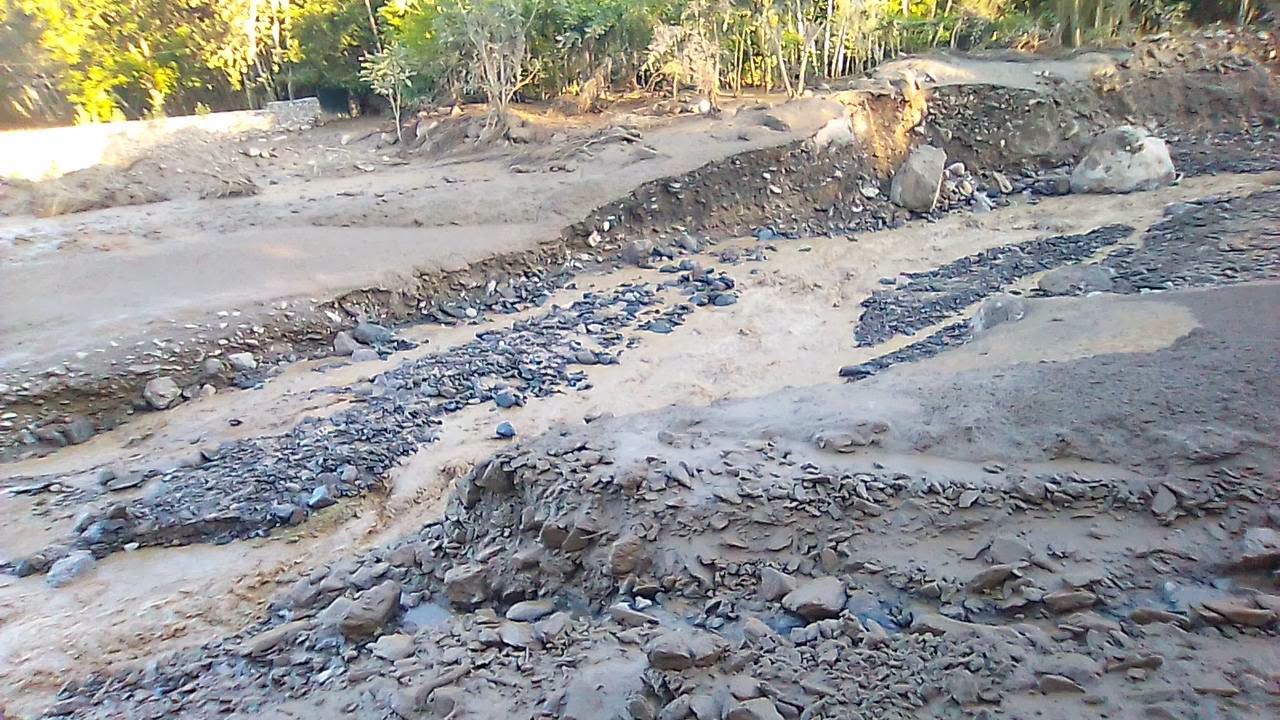
The working group is currently clarifying and accurately calculating the damage caused by the natural disaster.
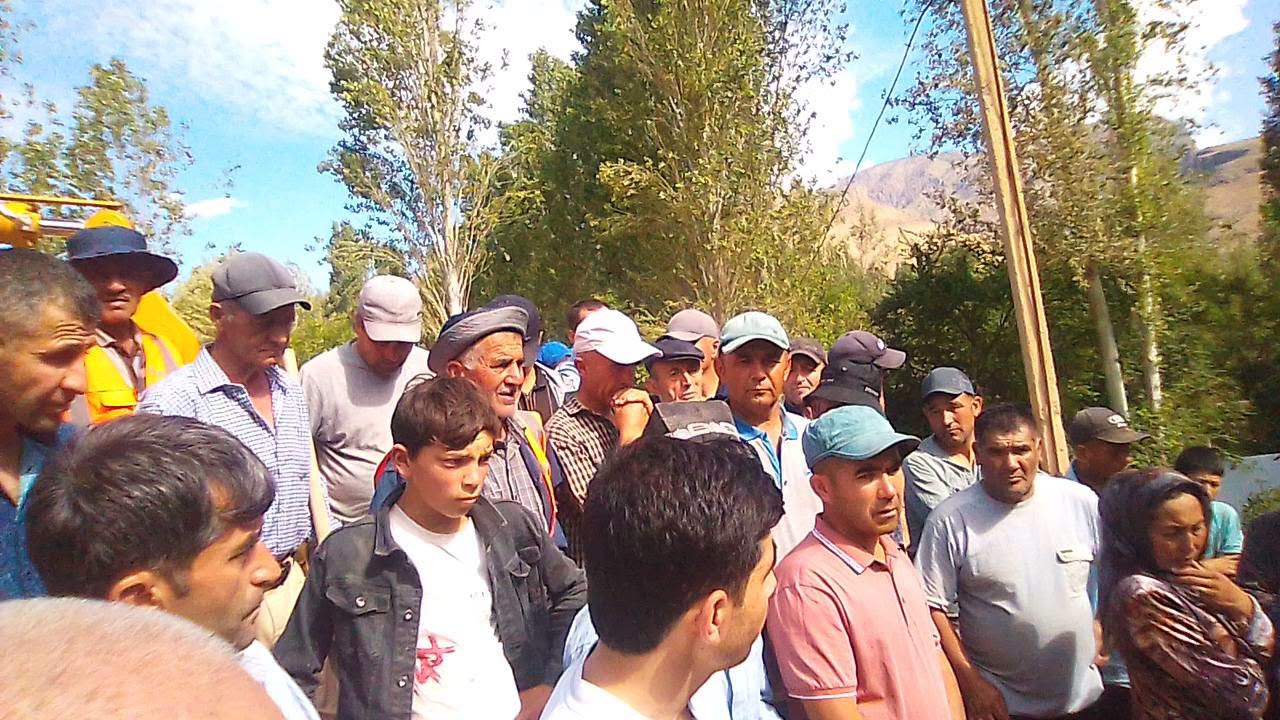
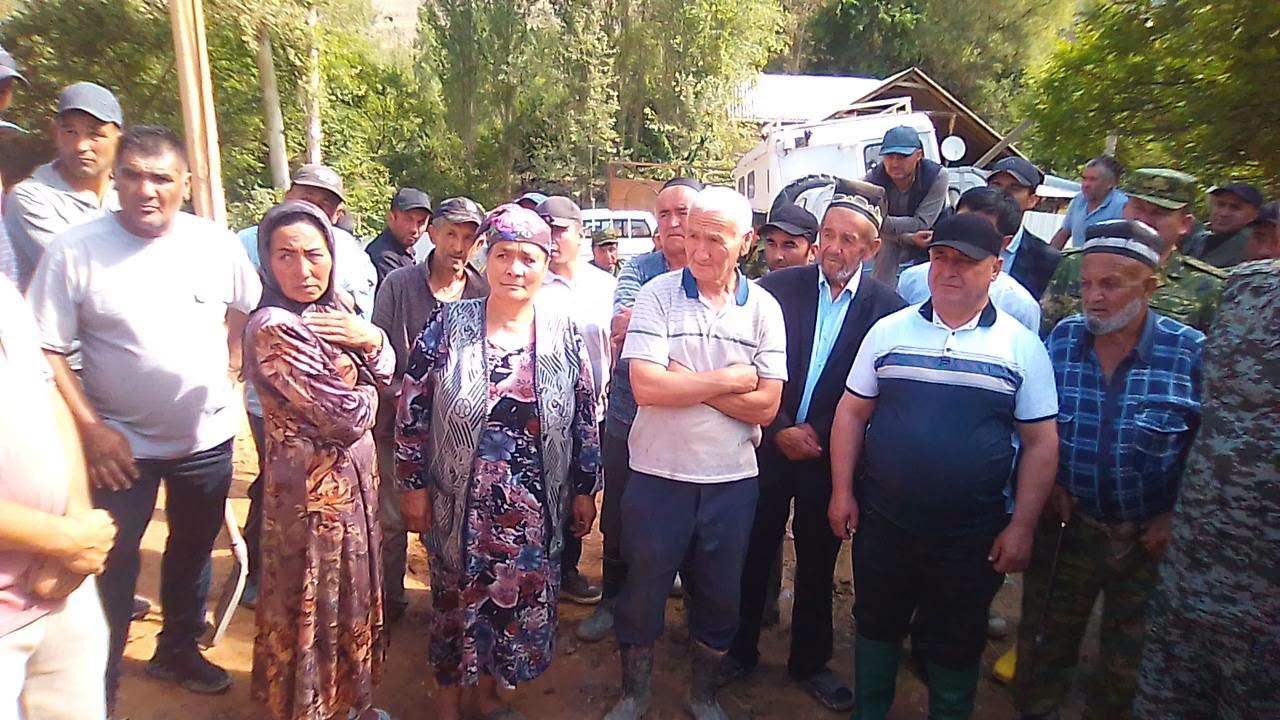
Representatives of the Sughd regional executive authority, led by First Deputy Chairman Suhayli Kurbonzoda, arrived at the scene to assess the situation. Together with Panjakent City Mayor Abdukholik Kholikzoda, they met with residents of the affected village.
The trip took place on the instructions of the President of the Republic of Tajikistan Emomali Rahmon and the Chairman of the Sughd Region Rajabboy Akhmadzoda.
During the meeting, it was emphasized that all available resources and capabilities will be used to eliminate the consequences of the natural disaster and provide assistance to victims.
According to preliminary data, the mudflow damaged 29 residential buildings and outbuildings, a road, power lines, and irrigation and drinking water supply systems.