Translated with AI









The horror of moving to an unfamiliar country at 17 and the triumph of success three years later—that's how Gulnara Karimova's story unfolds. From Kyrgyzstan to Tatarstan under the " Alabuga Start " program, from the language barrier and the anxiety of her first day on the job to buying an apartment, career advancement, and helping dozens of other young women from the CIS.

– How old are you, where are you from and how did you find out about the program?
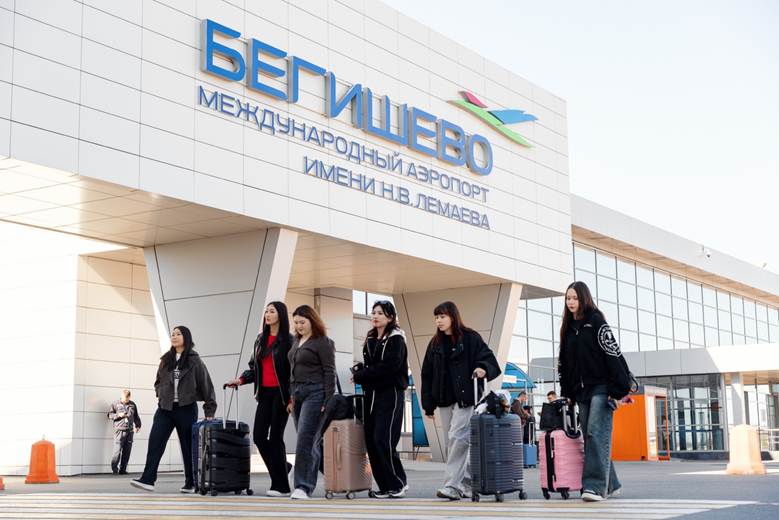
I'm 20 years old. I'm from the Issyk-Kul region of Kyrgyzstan. I came to Russia when I was 17. I learned about the program from my school principal—she'd traveled to Tatarstan, and afterward, she told us about the opportunity to study and work here.
– Why did you decide to go to Russia?
"I was originally planning to go to Germany and was already gathering my documents. But just then, the school principal returned from Tatarstan. She showed me photos of the campus, told me about the program, and said she wanted to send her daughter there. We were friends, so I felt more comfortable going with her."
Ultimately, I chose Tatarstan. Now I realize that this decision changed my life. In just a few years, I gained a profession, education, and work experience here.
– How long have you been working? Where did you start?
– Almost three years. I participated in the program for two years, starting out as a pattern cutter in production. I gradually advanced to the position of chief specialist.
Later, I was invited to work in HR. Now I advise young women from Kyrgyzstan, Tajikistan, and Uzbekistan, telling them about the program and helping them with admission.
She also completed a degree in Product Quality Management. Her on-the-job training took place directly at the company.
– Did your expectations match reality?
"The school principal told me we'd be working for two years and gaining professional skills. I thought the money I'd earn would only cover rent and groceries. But I arrived and started earning over 100,000 rubles. I covered all my needs, got an education, and helped my parents."
Before moving, I thought my salary would only cover rent and groceries. But it turned out I could not only fully support myself, but also help my parents, study, and save money.
– What difficulties did you encounter after moving?
"My friend and I arrived together, so it was easier to adapt at first. Of course, there were some everyday issues, but we gradually figured everything out."
The main challenge for me was the Russian language—at first, I wasn't very confident speaking it. Over time, this got better. At work, I could always turn to colleagues or my manager for help.
– Do you remember your first day at work?
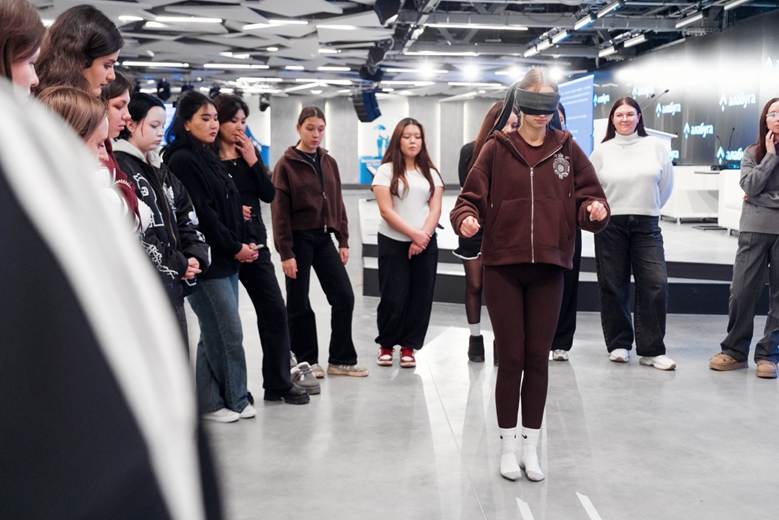
"Of course. They gave us uniforms and protective equipment, brought us to the production facility in the morning, introduced us to the manager, and showed us the work area. It was nerve-wracking at first, but the training helped us get used to it quickly."
Later, when I was promoted to technician, I became a mentor for the new girls: I helped them adapt, answered questions, and supported them through their first weeks.
– What achievement of yours are you especially proud of?
– Probably because I was able to save up for a down payment and buy an apartment in Bishkek.
It's also really nice to help my family. I bought my dad a phone, my mom a laptop, and sent money home. When I see my parents happy, I feel proud too.
– How did your parents react to the fact that you started living on your own?
"At first, they thought it would be a regular internship and I'd have to help out financially. But it turned out the other way around."
With my first paycheck, the girls and I went to a cafe and bought ourselves some clothes, and I sent some of the money to my parents so they could buy sweets for my younger brothers and sisters. Then I started helping out regularly.
It was important to my parents that I not only work, but also get an education.
– What has this program changed in you?
"When I arrived at 17, I was very insecure. I was afraid to make decisions on my own; many issues were decided by others.
Things are different now. I've become more confident, learned to take responsibility for myself, speak Russian more fluently, and handle all everyday and work-related issues with confidence.
– What surprised you about Russia?
"I thought everyone in Tatarstan spoke only Tatar. It turns out everyone speaks Russian in everyday life."
I also learned about local traditions. For example, I saw Maslenitsa celebrated for the first time and painted Easter eggs with my colleagues.
Some relatives worried that people in Russia would be cold or unwelcoming. But my experience was quite different. I was welcomed warmly, helped to settle in, and throughout my entire stay, I never encountered any bad treatment.
– What do you do in your free time?
– I love swimming, horse riding, walking, stretching, reading and drawing.
Moving has changed my worldview dramatically. When you live in another country, you start to mature faster. You realize that many decisions are now yours alone. That's probably what changed me the most.
When I come home, I meet up with my classmates. Sometimes I notice that over the years we've come to see things differently.
– What are your plans?
"I now work in HR, and I enjoy helping young women who are just planning to come here through the Alabuga Start program. I used to have to find answers to all my questions before moving. Now I help other young women take that step. It was probably at that moment that I realized how much I've changed over the past few years."
Another goal of mine is to obtain Russian citizenship. I want to further build my career in Tatarstan and become a Russian citizen.