Translated with AI

























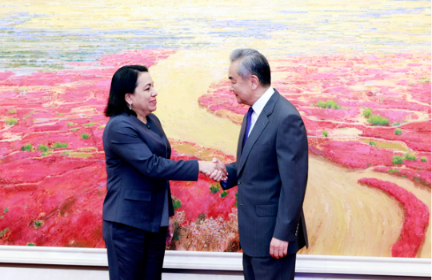






On June 16–17, 2026, a training and experience exchange program, "Joint Cooperation between Tajikistan and Turkey: Islamic Finance and Capital Markets of the Future," was held in Istanbul. The event, chaired by the Minister of Finance of the Republic of Tajikistan, Fayziddin Sattor Qahhorzoda, was part of the implementation of the objectives of developing the government and corporate securities market, introducing new financial instruments, promoting sustainable financing, increasing market transparency, and preparing a Capital Market Development Strategy. This was reported by the Agency for Securities and Specialized Registration under the Ministry of Finance of the Republic of Tajikistan.
The program was organized under the coordination of the Turkish Cooperation and Coordination Agency (TİKA) in Tajikistan and Sabahattin Zaim University in Istanbul. Its aim was to strengthen professional capacity, expand international cooperation, and explore Turkey's best financial practices.
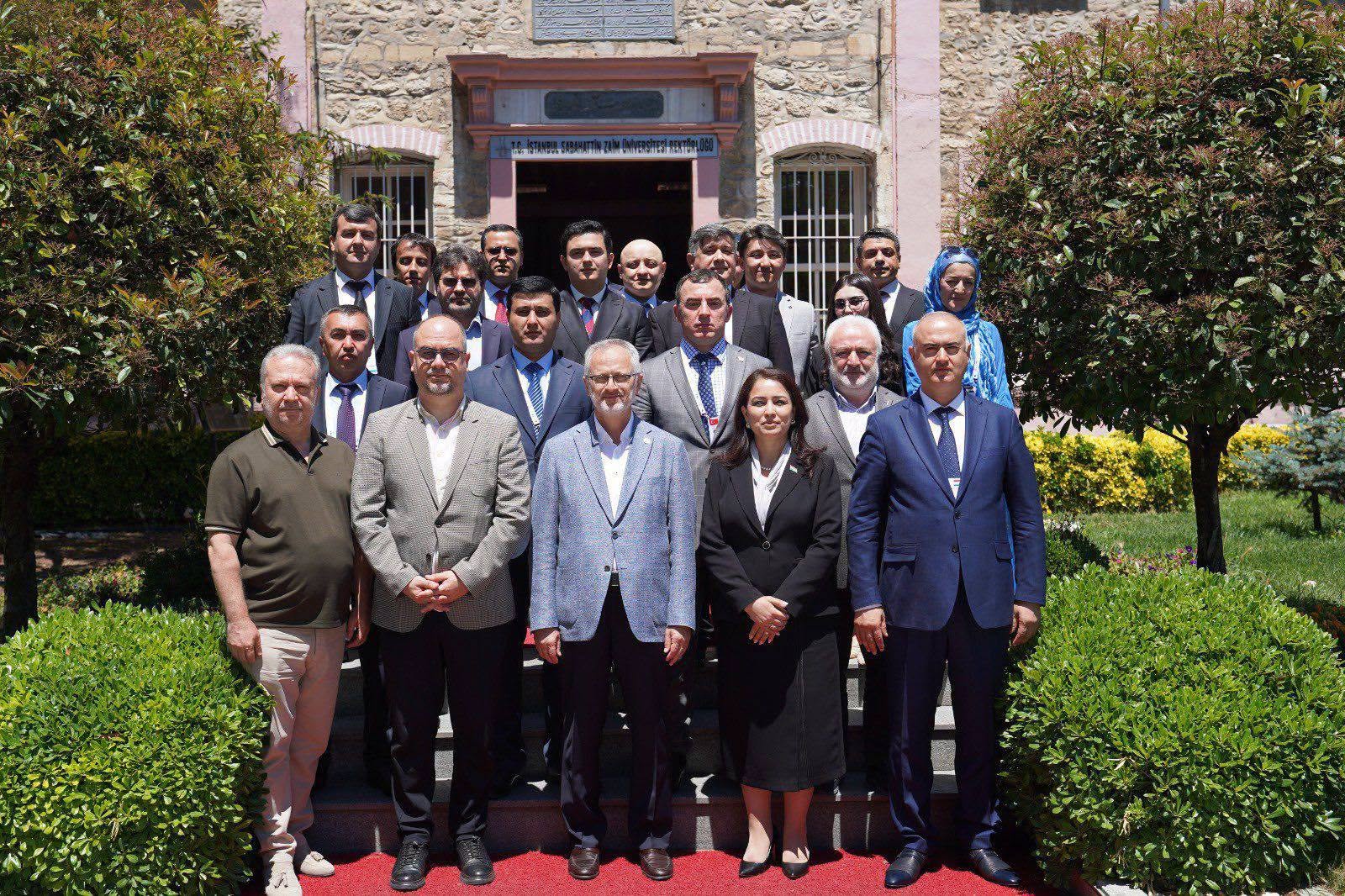
As part of the visit, a delegation from Tajikistan's economic bloc, led by Nigina Abdurahmonzoda, Director of the Agency for Securities and Specialized Registration under the Ministry of Finance, visited Sabahattin Zaim University and held official meetings with the institution's leadership.
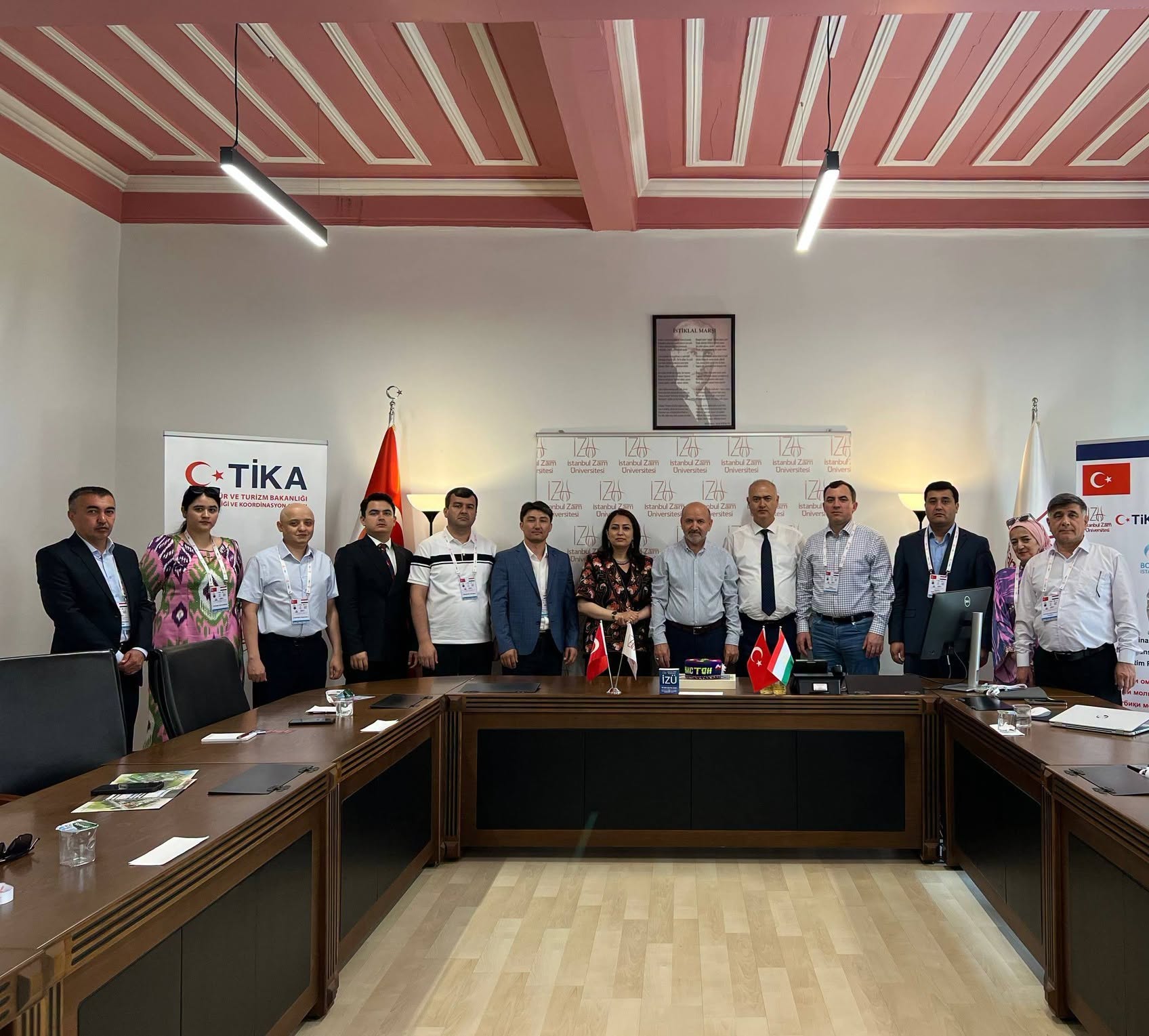
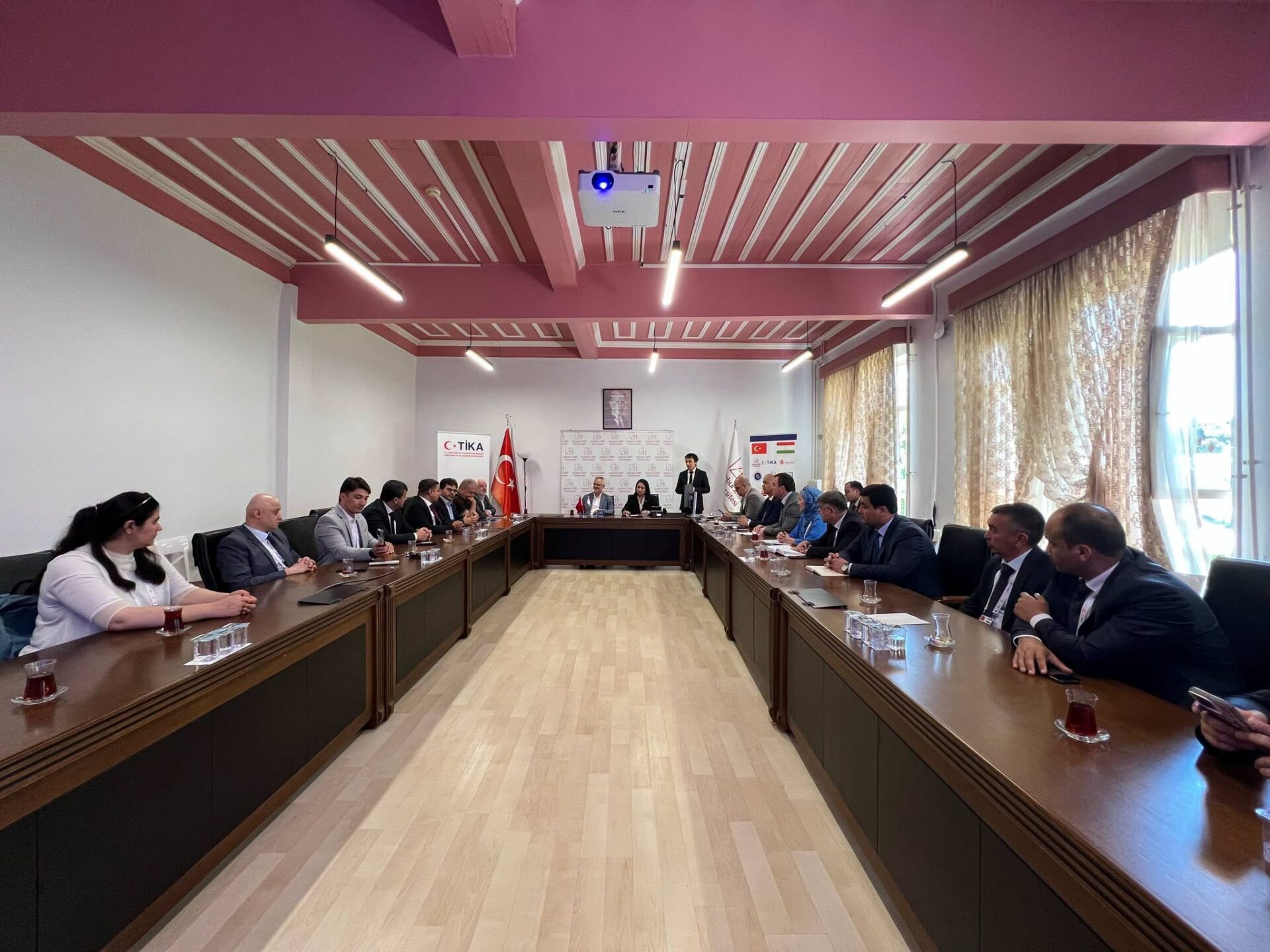
The main meeting was chaired by Nigina Abdurahmonzoda and the university's rector, Professor Dr. Ismail Küçük.
The opening ceremony was attended by the Rector of the University, Professor Dr. Ismail Küçük, Vice-Rectors, Professor Dr. Erhan İçener and Professor Dr. Nihat Erdoğmuş, Dean of the Faculty of Business and Management Sciences, Professor Dr. İbrahim Güran Yumuşak, Head of the Department of Islamic Economics and Finance, Professor Dr. Servet Bayındır, and the Academic Coordinator of the program, Professor Dr. Yusuf Dinç.
During the talks, the parties discussed prospects for strengthening economic and financial cooperation between Tajikistan and Turkey. Particular attention was paid to improving capital market regulation mechanisms, developing partnership financing, expanding Islamic finance practices, introducing innovative financial instruments, supporting the capital market, and strengthening institutional capacity.
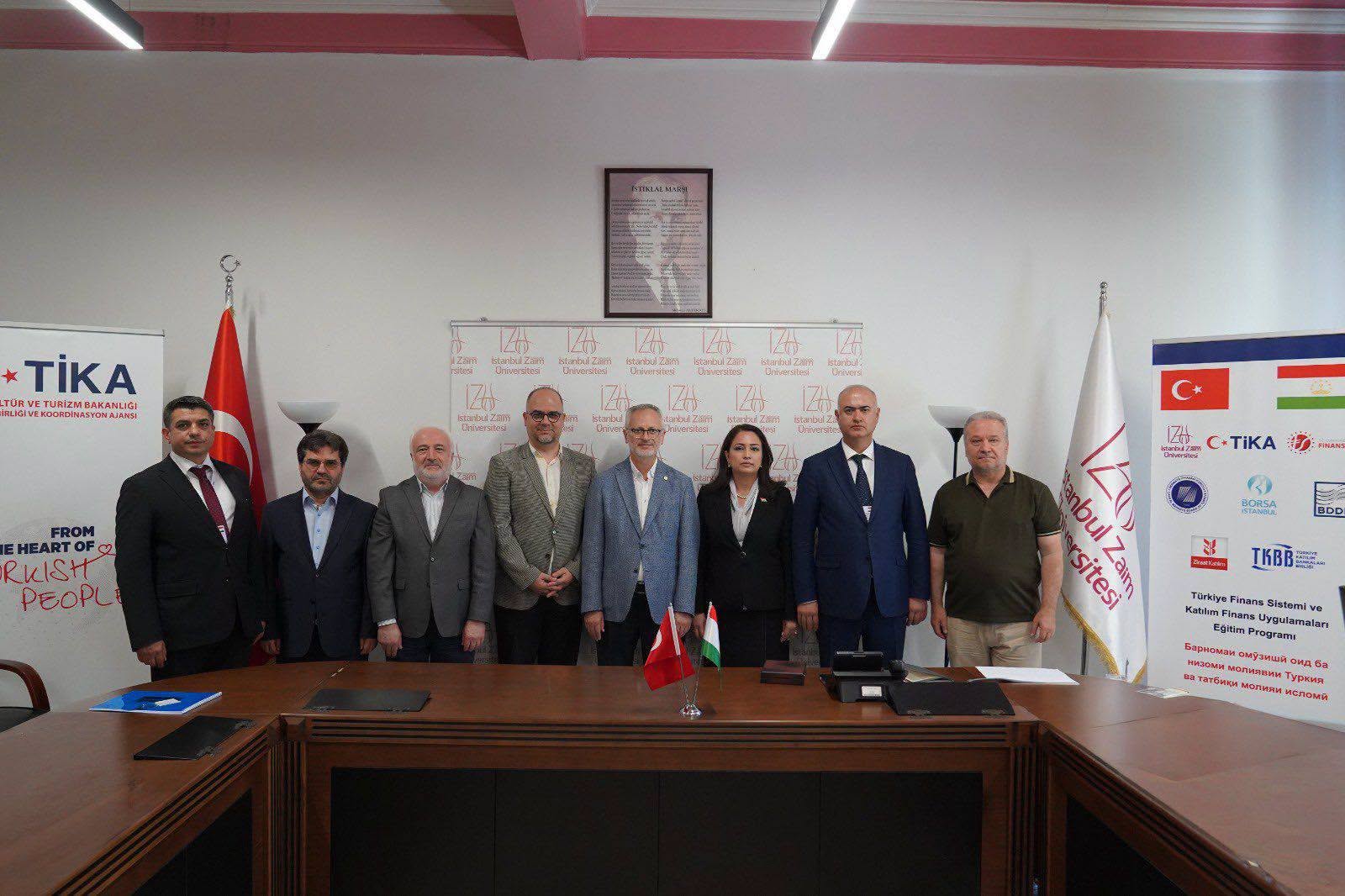
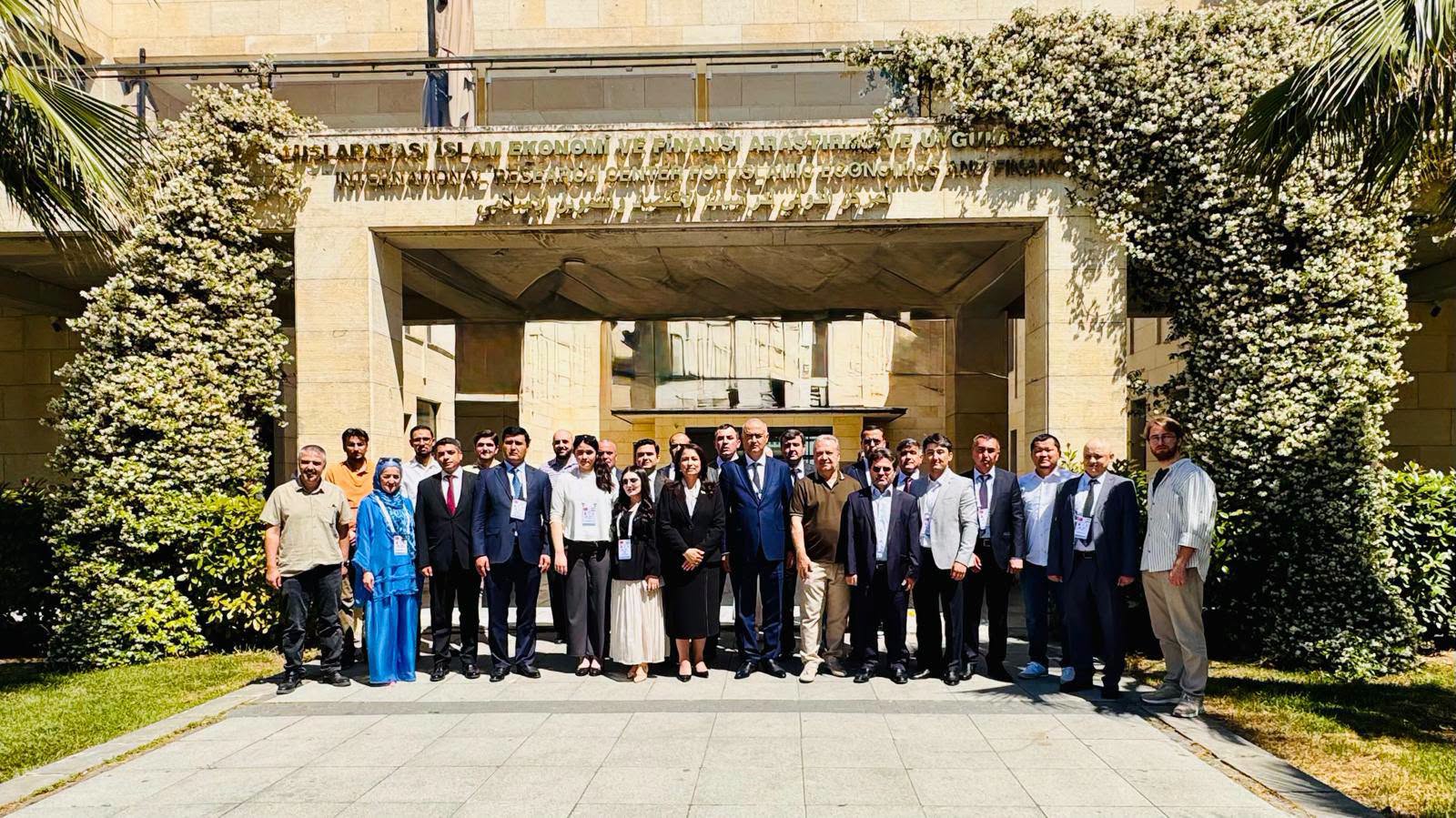
Participants at the meetings noted that the use of advanced Turkish experience in Tajikistan's financial sector could contribute to the diversification of investment sources, the creation of new financial products, the strengthening of financial intermediation, the expansion of sustainable financing mechanisms, an increase in the influx of private and international investment, and the enhancement of the competitiveness of the national economy.
On the first day of the program, led by Professor Dr. Yusuf Dinç, participants discussed the impact of interest-free financing models on macroeconomic stability, the mechanisms for operating partner financing, and the possibilities for adapting these approaches to Tajikistan's legal and financial system.
At the same time, the Tajik delegation studied practical experience in a number of priority areas, including capital market regulation and supervision, the development of government and corporate securities, mechanisms for partnership and Islamic financing, sustainable financial instruments and "green" securities, the activities of financial institutions, the digitalization of financial services, risk management, and investment attraction practices.
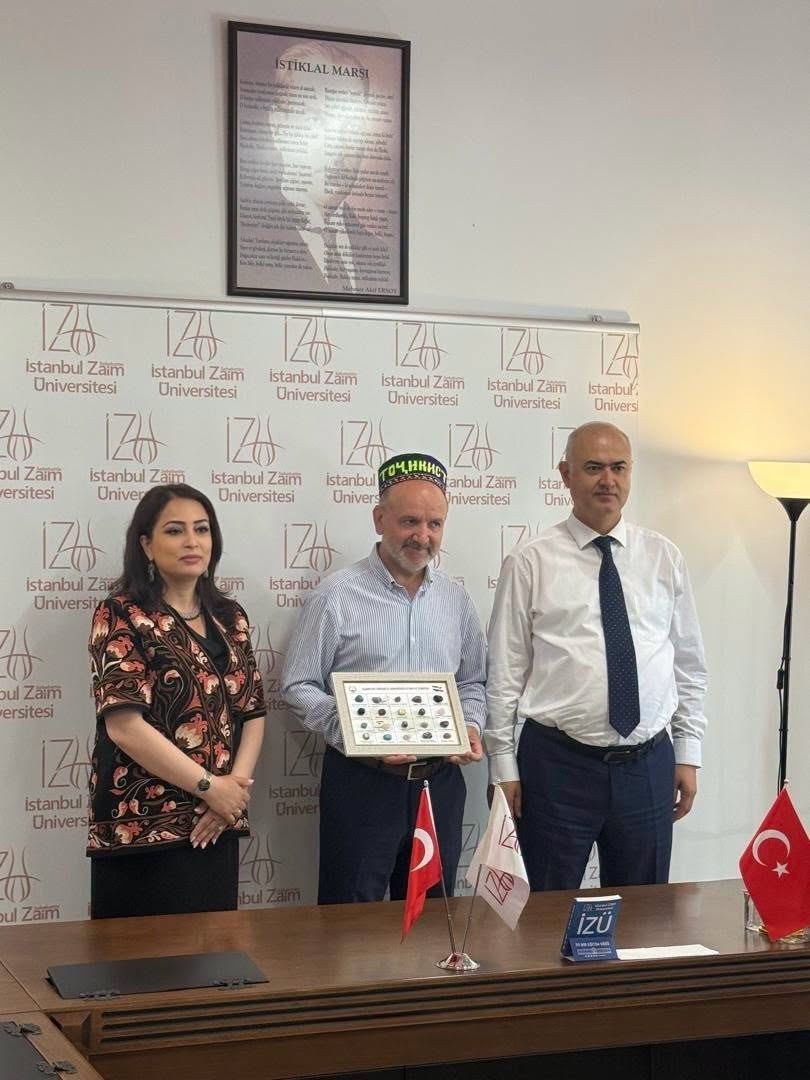
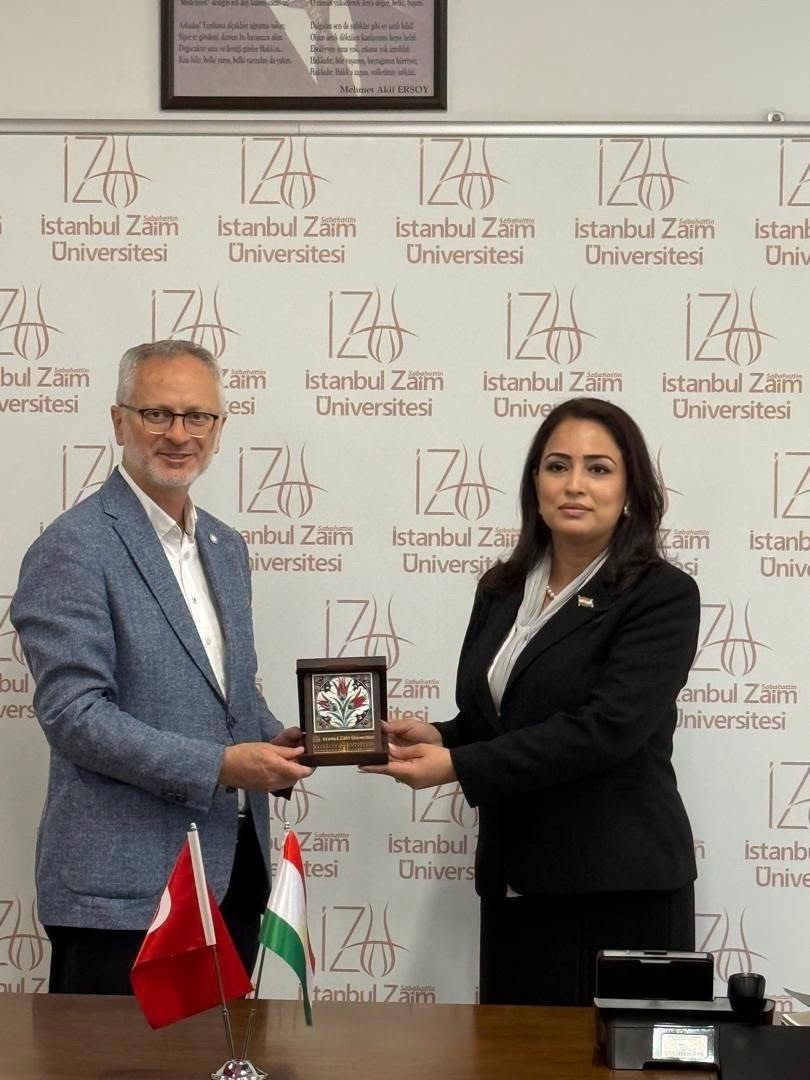
Following the completion of the theoretical part of the program, the Tajik delegation will visit existing partner funding institutions and financial institutions in Turkey to gain first-hand experience with the practical application of these mechanisms.
The Tajik delegation included representatives of government agencies, financial market regulators, and the country's leading banks, including the Agency for Securities and Specialized Registration, the Executive Office of the President of the Republic of Tajikistan, the Ministry of Finance, the National Bank of Tajikistan, the State Savings Bank Amonatbank, Orienbank, the International Bank of Tajikistan, and Alif Bank.
Following the meetings, the parties reaffirmed their commitment to further expanding academic and professional cooperation, exchanging experiences, developing human capital, and strengthening interaction between the two countries' financial institutions. Participants emphasized that such cooperation is an important foundation for the sustainable development of the capital market and the further deepening of economic relations between Tajikistan and Turkey.