Translated with AI
















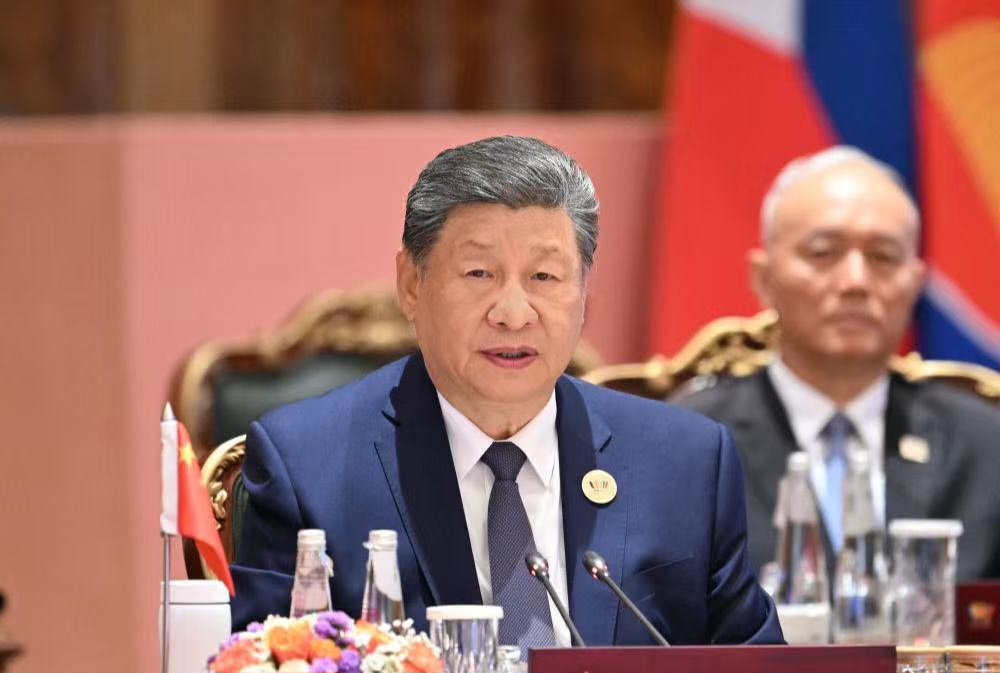
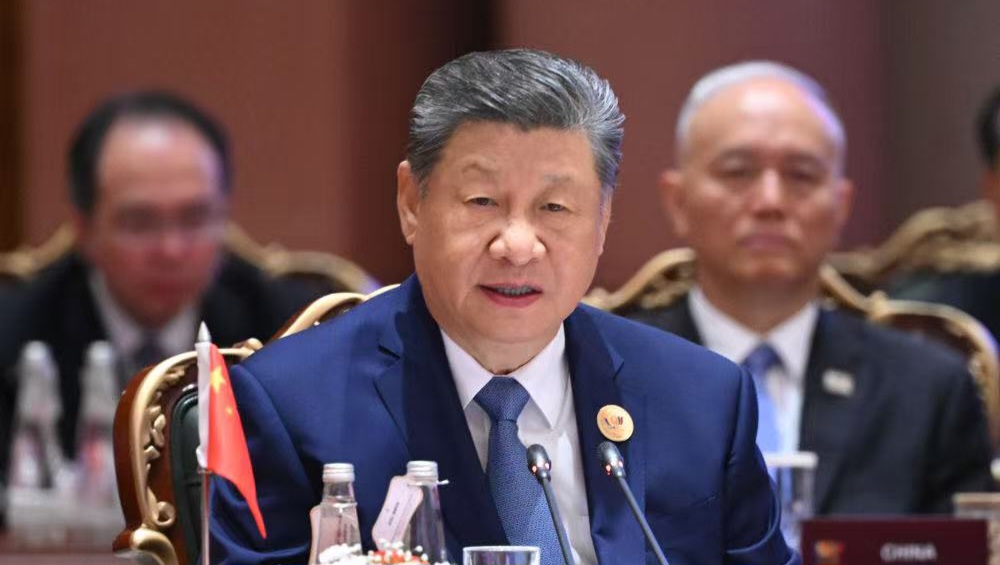






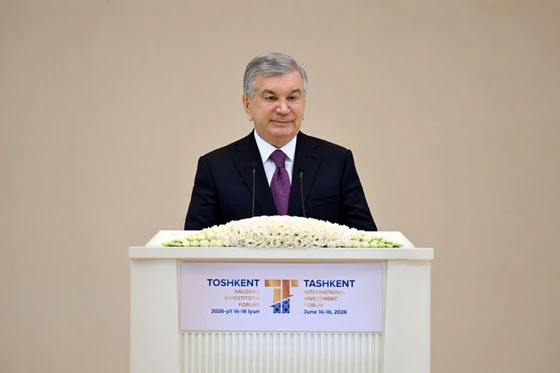
Uzbek President Shavkat Mirziyoyev addressed the 5th Tashkent International Investment Forum, where he presented key indicators of the country's economic development and outlined priority areas for investment, industrial, and infrastructure policy in the coming years.
According to the presidential press service, $150 billion in foreign investment has been attracted to Uzbekistan's economy in recent years. Of this amount, $123 billion came in the last five years, and last year alone, the volume of investment attracted totaled $43 billion.
According to the president, the country's international currency reserves have exceeded $70 billion. Furthermore, while the gross domestic product was previously projected to reach $100 billion by the end of 2026, it is now expected to exceed $180 billion this year.
Mirziyoyev also noted the country's improved standing in international rankings. Uzbekistan climbed 14 spots in the Index of Economic Freedom and entered the category of countries with a moderately free economy.
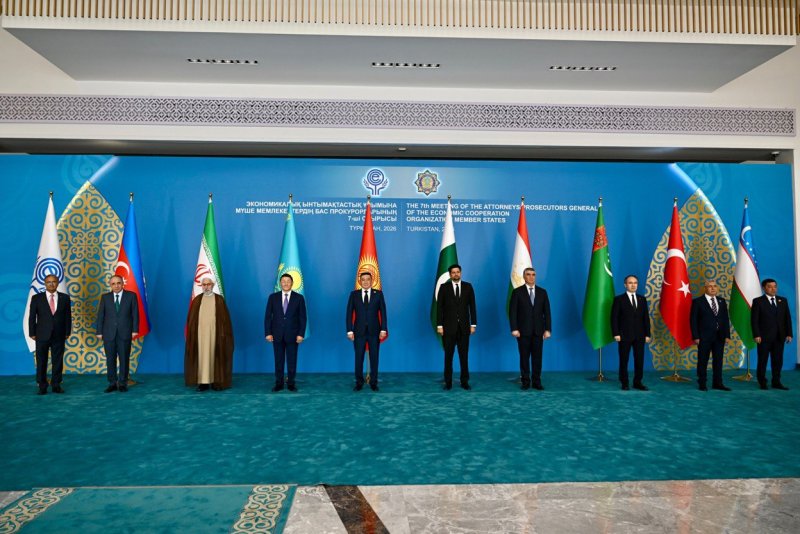
The forum brought together over 4,000 participants from 100 countries. The event was attended by the heads of government of Russia, Kazakhstan, Belarus, Azerbaijan, Kyrgyzstan, Tajikistan, and Albania, as well as the heads of leading international financial institutions, including the World Bank, the European Bank for Reconstruction and Development, and the Asian Development Bank.
One of the key announcements was the creation of the Tashkent International Financial Center. Its participants will enjoy a special regime for 50 years. Specifically, zero rates for profit tax, value-added tax, property tax, and customs duties will be introduced.
The provisions also include the application of English law, the operation of an independent regulator, and the International Commercial Court with the participation of foreign judges. Investors are guaranteed the free movement of capital and the possibility of settlements in any currency. Furthermore, the UN Singapore Convention on Mediation will be applied.
The President announced the successful completion of the largest IPO in five years—the placement of 30 percent of the National Investment Fund's shares on the London and Tashkent Stock Exchanges. New laws, "On the Capital Market" and "On Alternative Investment Funds," are currently being drafted.
The financial initiatives also include the issuance of sovereign sukuk bonds with a planned raising of at least $10 billion and the auctioning of state assets, land plots, and real estate with a total value of approximately $6 billion.
The speech focused specifically on the country's mineral and raw material potential. According to government estimates, Uzbekistan's underground resources are worth up to $3 trillion. These include reserves of gold, copper, uranium, and tungsten.
To increase the industry's investment attractiveness, a digital geological database is being created, and the number of deposits offered to investors is planned to be quadrupled.
The creation of "Metals of the Future" technology parks in the Tashkent and Samarkand regions has also been announced. Simultaneously, projects in the chemical industry worth $20 billion, as well as projects in mechanical engineering and pharmaceuticals worth $30 billion, are planned.
In the energy sector, the goal has been set to increase the share of "green" generation to 54 percent. Investors are offered projects to create energy storage systems and build data centers.
Another initiative will be the creation of a special artificial intelligence zone in Karakalpakstan. Its residents will be exempt from taxes and customs duties until 2040, with infrastructure development funded by the state and a preferential electricity tariff of 5 cents per kilowatt-hour.
As part of the country's human capital development program, the "Five Million Leaders" program has already been launched.
Among the largest infrastructure projects named are the construction of the China-Kyrgyzstan-Uzbekistan railway, the development of the Trans-Afghan Transport Corridor to southern seaports, and the further development of the Middle Corridor.
Furthermore, plans are underway to build a new Tashkent airport jointly with Saudi Arabia. Its capacity will be 20 million passengers per year. High-speed highways and a network of dry ports are also planned.
In the area of urban development, the goal has been set to increase the level of urbanization from the current 51 percent to 65 percent by 2040. Housing construction is planned to double, and the real estate market capacity is estimated at $10 billion annually.
The President also announced the construction of the New Tashkent megacity, designed for two million residents. Simultaneously, Andijan, Namangan, and Samarkand are planned to become cities with populations of over a million.
The public-private partnership envisages the implementation of infrastructure projects worth a total of $27 billion.
Particular attention is being paid to the development of tourism. In the first five months of this year, tourist flow increased by 27 percent, reaching 5.5 million people. Authorities estimate the industry's potential to welcome 15 to 20 million tourists annually and generate up to $15 billion in revenue.
The agricultural sector has set the goal of transforming Uzbekistan into one of the region's leading agribusiness centers. Organic fruit and vegetable exports are planned to increase from the current $3.5 billion to $10 billion.
Following the forum, the creation of the Regional Alliance of Investment Councils of Central Asia and the Caucasus was also approved. The new structure is designed to facilitate the formation of a unified investment space.
Shavkat Mirziyoyev emphasized that the country's president and the leaders of all 14 regions of Uzbekistan guarantee investors direct support, protection of their rights, and ongoing dialogue within the Foreign Investors Council.
The president named green energy, artificial intelligence and data centers, mineral extraction and processing, transport and logistics projects, as well as the development of tourism and the agro-industrial complex as key priorities for the country's further development.