Translated with AI























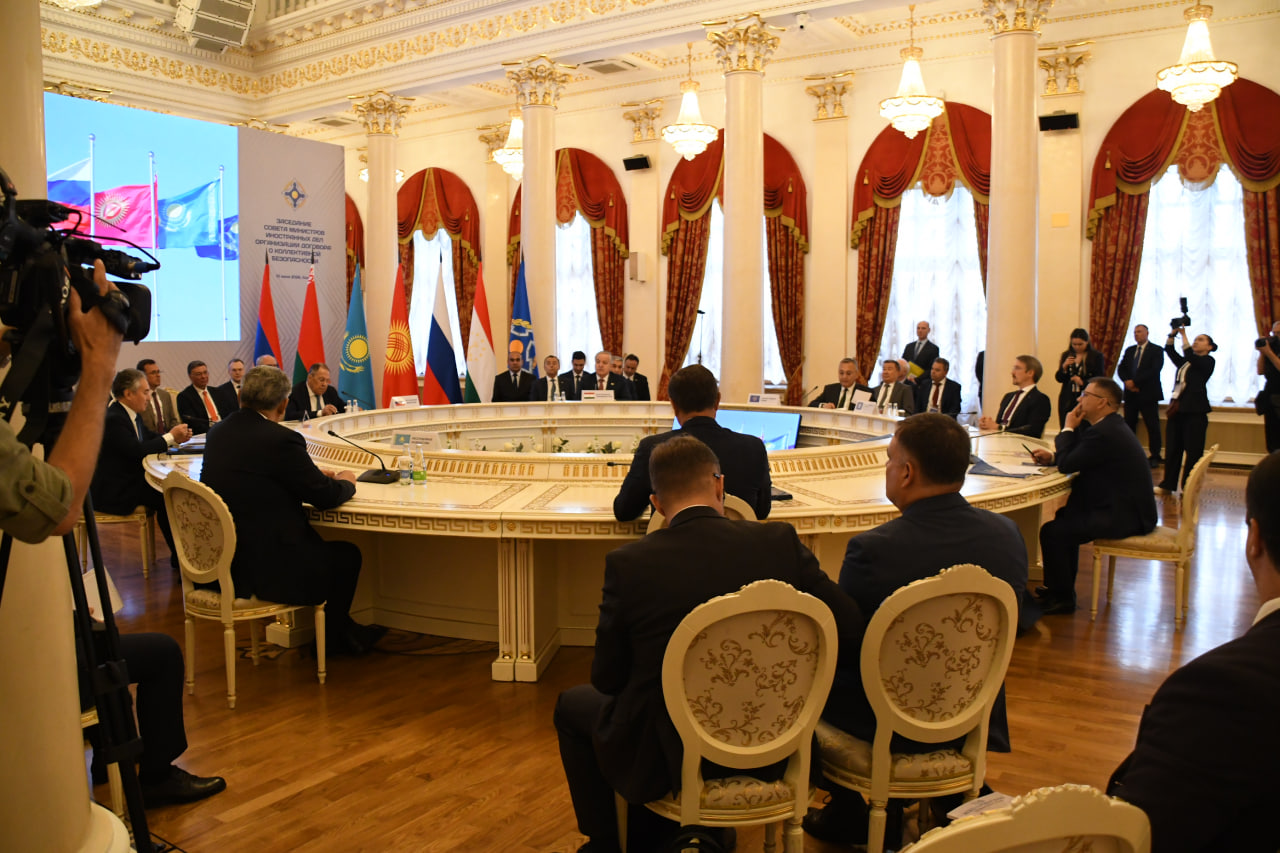
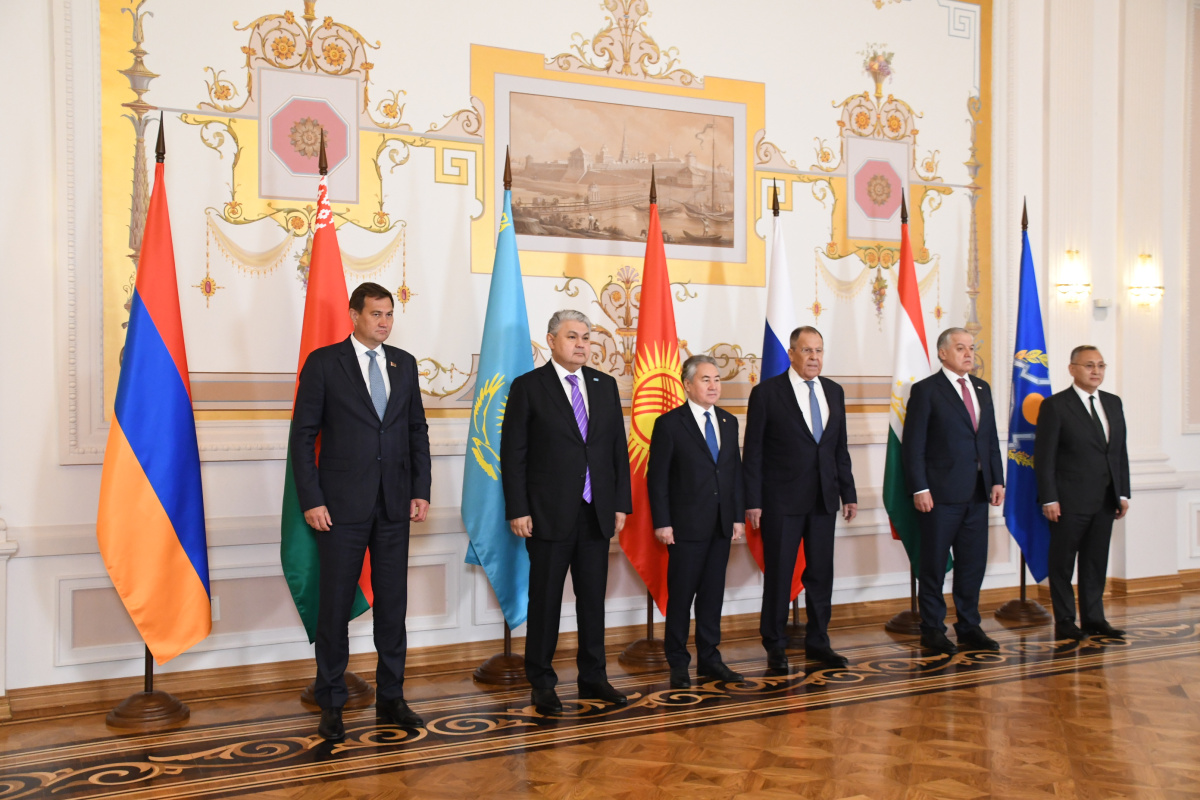
The foreign ministers of the Collective Security Treaty Organization member states adopted a statement on the need to counter the threats of the use of information and communications technologies (ICT) for sabotage and terrorist purposes, the Organization's press service reported.
The document notes that information and communications technologies are considered dual-use technologies. The heads of the foreign policy agencies emphasized that their misuse could contribute to the destabilization of the domestic political and socioeconomic situation in sovereign states, increasing tensions, and creating the risk of escalating interstate conflicts.
The ministers noted the growing threats associated with the use of ICTs for the propaganda and financing of terrorism, sabotage, and extremist activity. Of particular concern is the use of digital technologies to recruit new supporters for terrorist organizations, disseminate calls for terrorist activity, extremist and hateful rhetoric, and incite interethnic and interfaith hatred.
The statement also expressed concern about the potential for hidden malicious functions to be introduced into information and communications technologies. It emphasized that such use of ICTs is contrary to the spirit of the Constitution of the International Telecommunication Union, which stipulates that such technologies should be used to promote peaceful relations between states and international cooperation.
The foreign ministers of the CSTO member states called for adherence to the principles of responsible state behavior in the information space, as enshrined in the final report of the UN Group of Governmental Experts of June 26, 2015, and UN General Assembly Resolution 73/27 of December 5, 2018. This includes, in particular, taking reasonable measures to ensure the integrity of ICT supply chains, preventing the spread of malicious software and hardware, and preventing the use of hidden malicious functions.
The document reaffirms support for the exclusively peaceful use of information and communications technologies in accordance with the fundamental principles of the UN Charter. The ministers condemned the misuse of ICTs and stated the need for international legal regulation to counter their use for subversive and terrorist purposes in order to prevent the limitation of state sovereignty, the undermining of security, and interference in the internal affairs of countries.
The parties also called on states to sign the UN Convention against Cybercrime and facilitate its prompt entry into force. Furthermore, they proposed developing an additional protocol to the convention, which would establish new offences, including those related to the use of ICTs for sabotage and terrorist purposes.
The statement places special emphasis on the use of digital currencies to finance sabotage and terrorist activities. The ministers expressed concern about the growing use of the internet for arms trafficking, which could fall into the hands of terrorist and saboteurs, including through the shadow internet and anonymous registration and exploitation services for digital resources.
The heads of foreign policy departments called on states to take measures to prevent the spread of malicious software and hardware, ensure the security of ICT products, and protect the integrity of supply chains.
In conclusion, the ministers expressed their readiness to continue working together to develop fair standards and requirements for the secure use of information and communications technologies within the International Telecommunication Union.
They also advocated for expanded international cooperation between states, relevant agencies, and national developers in the production and safe use of ICT, including artificial intelligence technologies, in the interests of international security, the peaceful coexistence of states, and the benefit of all humanity.