Translated with AI



























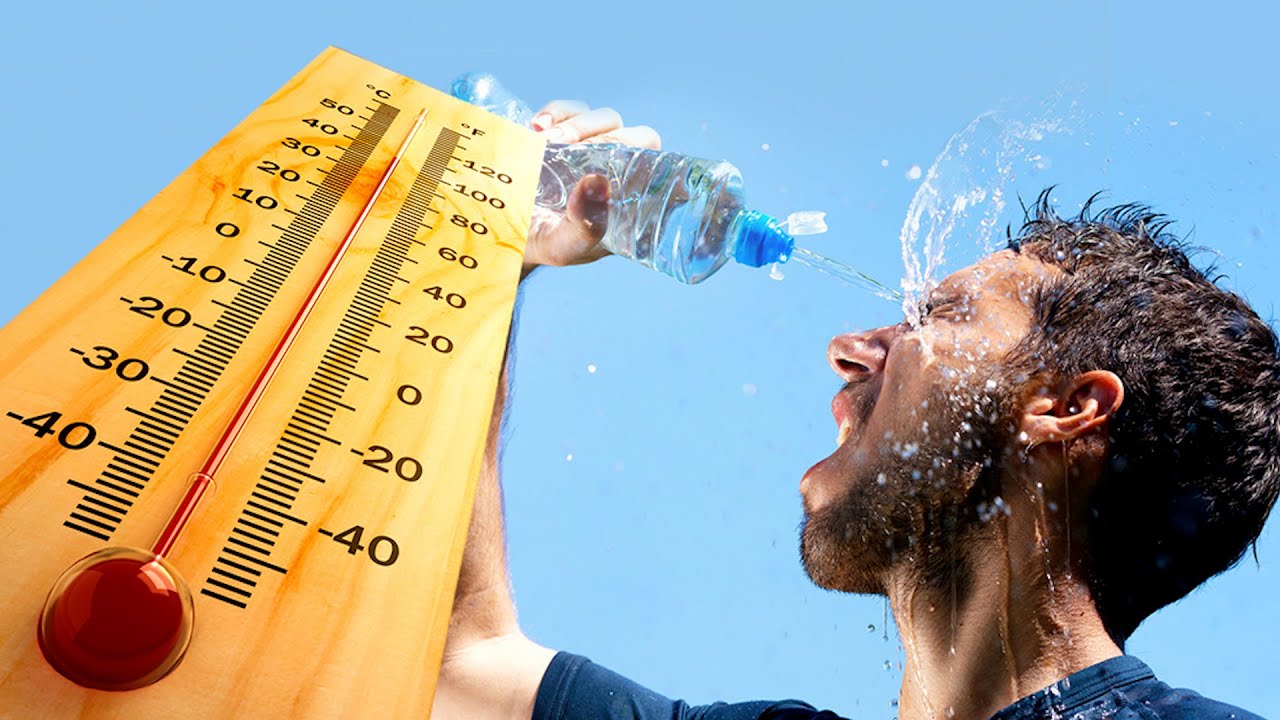
Heat stress remains the leading cause of climate-related mortality in the World Health Organization's European Region. The WHO issued a statement ahead of the summer season, highlighting the growing health risks associated with rising temperatures.
The organization notes that summer heat is increasingly becoming not only a source of discomfort but also a serious challenge for healthcare systems. As climate change progresses, periods of extreme heat are becoming longer, more frequent, and significantly more severe for people.
According to the WHO, extreme heat puts increased strain on healthcare facilities and energy systems, worsens the condition of people with chronic diseases, and in the most severe cases can cause death.
High temperatures pose a particular danger to the elderly, young children, pregnant women, people with chronic illnesses, and those with limited mobility. Those at increased risk also include those working outdoors, playing sports, traveling, or attending mass events.
The organization emphasizes that the effects of heatwaves are disproportionately affecting people living in poor housing conditions, as well as migrants, refugees, and those with limited access to essential services.
The World Health Organization is calling for extreme heat to be viewed not as a seasonal inconvenience, but as a serious public health problem.
On June 11, the WHO Regional Office for Europe will release updated guidance on developing heat-related action plans. These plans allow countries and cities to prepare for periods of extreme temperatures, inform the public about the risks, coordinate services, reduce the burden on healthcare facilities, and ensure the protection of the most vulnerable populations.
The WHO notes that similar mechanisms are already in place in many countries and help mitigate the impact of extreme heat. However, where such systems are lacking, each new record-breaking temperature could pose additional risks to the population and healthcare systems.
The organization also reminds people to take personal protective measures in hot weather. Specifically, it is recommended to avoid sun exposure during the hottest hours of the day and, if possible, to postpone physical activity until the morning or evening. Furthermore, experts recommend spending at least a few hours in cool rooms and never leaving children, elderly people, or pets in a closed car.
To maintain a comfortable temperature in your home, it is recommended to close curtains during the day, ventilate the room at night, and limit the use of heat-emitting appliances.
The WHO places special emphasis on preventing dehydration. To achieve this, it recommends drinking water regularly, wearing light clothing, and avoiding excessive consumption of sugary, alcoholic, and caffeinated beverages.
The organization also encourages people to maintain contact with elderly relatives, neighbors, and friends, especially if they live alone. Experts believe such care can play a significant role in preventing the severe consequences of heat waves.
If you experience symptoms such as severe weakness, confusion, high fever, dry, hot skin, or seizures, seek immediate medical attention.
As part of the "#KeepYourHeadInCold" campaign, the World Health Organization emphasizes that adapting to heat today is not a matter of comfort, but rather a matter of health and safety. The organization believes that timely preparation of populations, cities, and healthcare systems for new climatic conditions will save lives and reduce the negative impacts of extreme heat.