Translated with AI








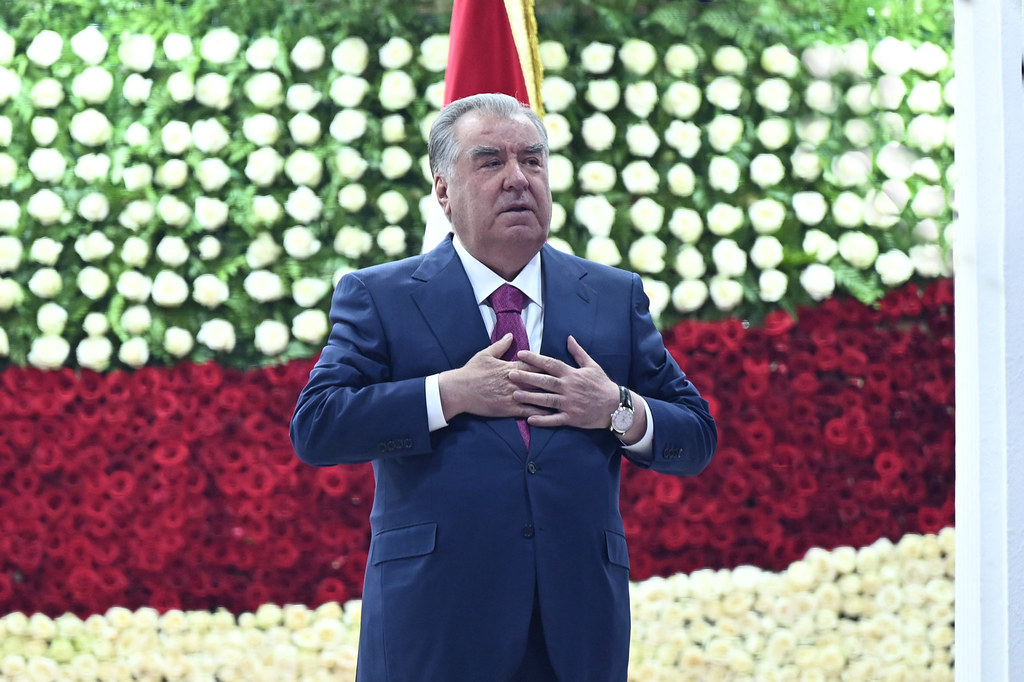















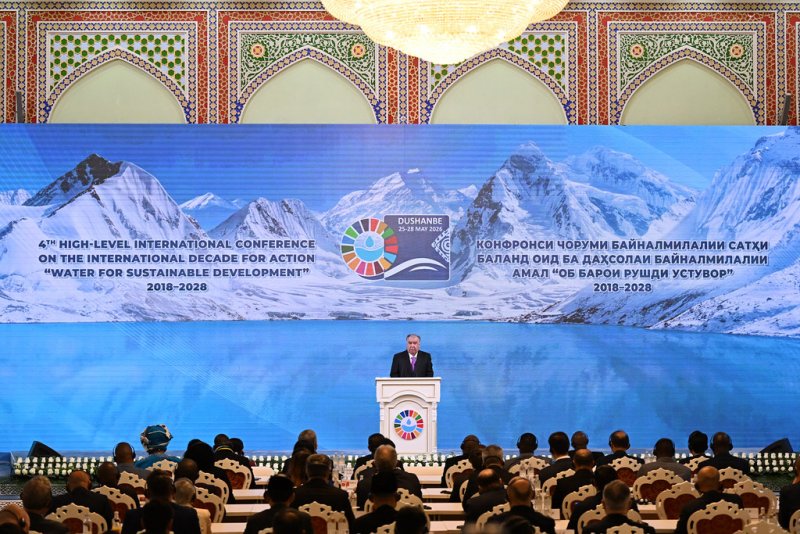
The Fourth International High-Level Conference on the International Decade for Action, "Water for Sustainable Development, 2018–2028," opened in Dushanbe. President of Tajikistan Emomali Rahmon attended and addressed the opening ceremony.
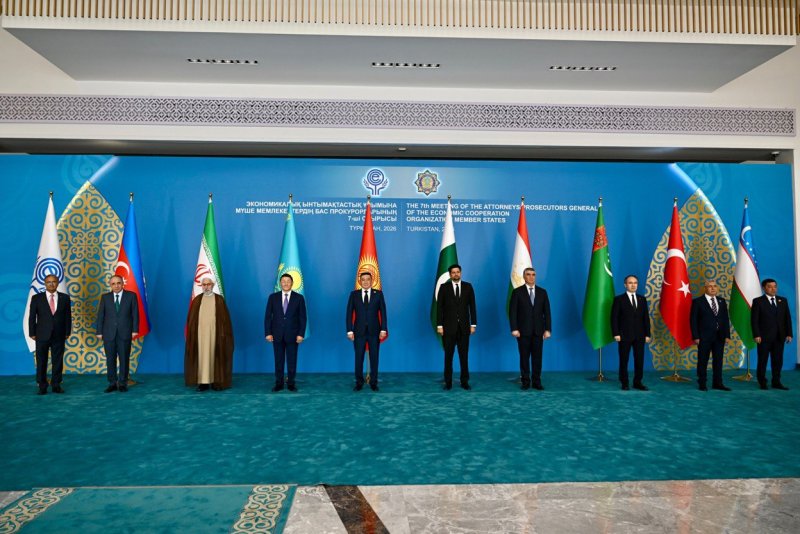
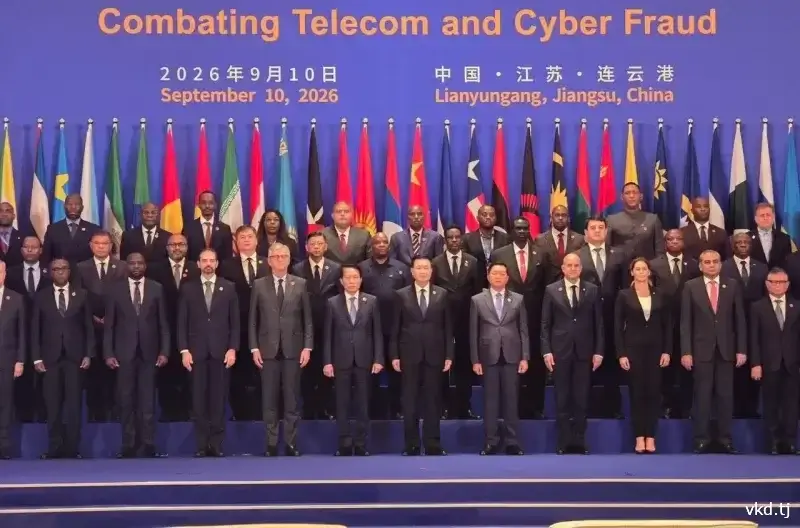
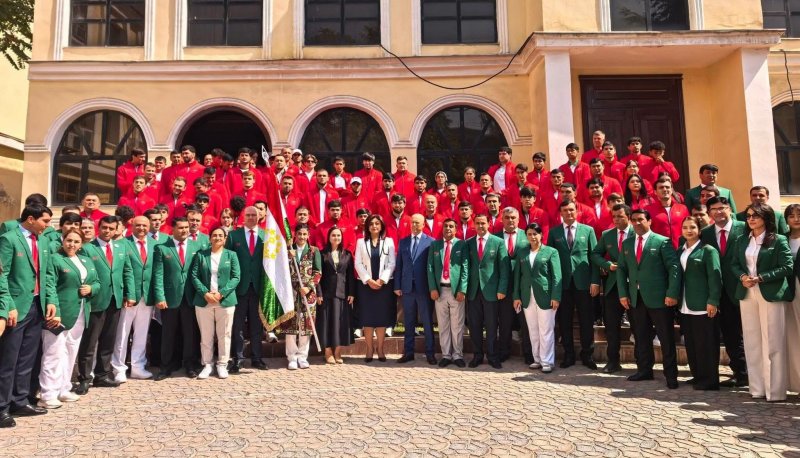
The forum kicked off with a joint photo session between the heads of foreign delegations and conference guests. In his address, Emomali Rahmon welcomed the participants to Tajikistan and expressed hope for a successful and productive conference.
The President of Tajikistan stated that holding the forum is an important step towards addressing one of the most pressing global issues: expanding access to water for the world's population.
The head of state noted that in recent years, Tajikistan has been taking practical measures to advance the water agenda internationally. He stated that the country's water initiatives consistently receive support from the UN General Assembly.
Emomali Rahmon emphasized that Tajikistan's efforts are aimed at enhancing the importance of water as a vital source of life. He noted the need for a balanced and comprehensive approach to addressing water issues. The proclamation of the International Decade for Action, "Water for Sustainable Development," according to the president, is evidence of the global community's joint efforts in this area.
The President also stated that, within the framework of the Dushanbe Water Process, Tajikistan continues to work to create an inclusive and transparent international platform for discussing the water agenda.
During his speech, Emomali Rahmon drew the attention of conference participants to the problems hindering the achievement of Sustainable Development Goal 6, which is related to ensuring access to clean water and sanitation.
It was noted that billions of people still lack access to safe drinking water and sanitation, and approximately four billion people face at least a month of acute water shortages annually. According to the President, current trends indicate that these problems could significantly worsen in the future.
According to expert estimates, global demand for drinking water will increase by at least 25 percent by 2050. At the same time, providing for a growing population will require an increase in food production of approximately 50 percent.
The head of state also noted that nearly half of the world's urban population could face water shortages. He added that rapidly developing industries, including green manufacturing, urban development, food production, and digital infrastructure, will place additional strain on water resources.
In this regard, Emomali Rahmon emphasized the importance of transitioning to water-saving technologies, more efficient resource management, and strengthening policy coordination in the areas of water, energy, and food.
The President highlighted initiatives being implemented in Tajikistan at the national and regional levels. He reported that the country has adopted the National Water Strategy until 2040 and the State Program for Drinking Water and Sanitation for 2025–2029. These documents are aimed at accelerating the achievement of Sustainable Development Goal 6.
According to Emomali Rahmon, Tajikistan intends to fully implement integrated water resources management at the national and basin levels by 2030, creating a modern, scientifically sound, and sustainable management system. Furthermore, the country plans to expand the use of water-saving technologies more than 40-fold and make efficient water use a key tool for climate change adaptation.