Translated with AI
























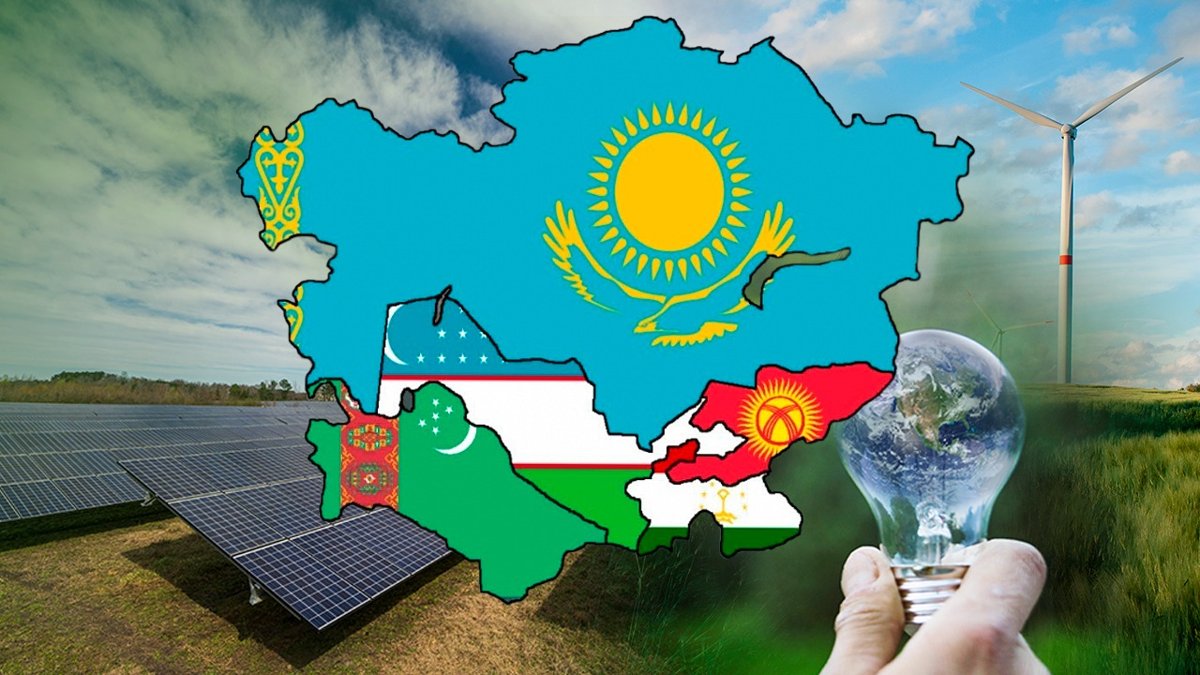
Central Asia is entering a period of profound energy transformation amid rapidly growing electricity demand, high levels of deterioration in energy infrastructure, and the need to adapt to the global energy transition. This is the conclusion reached by a study by the Eurasian Development Bank, according to the press service of the CIS Executive Committee.
The report notes that the region faces a dual challenge: countries must simultaneously ensure energy supply security, affordability, and environmental sustainability.
The study shows that the most effective response to these challenges may be a "middle path" strategy—a balanced modernization model that combines the renewal of traditional generation, the development of renewable energy sources, energy storage systems, grid infrastructure, digitalization, and regional integration.
The study's authors presented a comprehensive assessment of the current state of the Central Asian power industry and long-term development scenarios through the prism of the World Energy Council's energy trilemma—the balance between energy security, affordability, and environmental sustainability.
The report examines global energy transition trends and their impact on Central Asia, as well as the region's structural constraints. These include rapid growth in electricity demand, high depreciation rates of generating and grid facilities (up to 75%), grid losses of up to 20%, 90–99% dependence of individual countries' energy balances on a single fuel, and limited regional coordination.
Particular attention is paid to the current state of the region's electricity sector. The study notes that Central Asian countries are already facing electricity shortages, and demand could increase by approximately 40% by 2030.
It is also emphasized that a significant portion of power plants and networks require modernization, and the existing structure of energy systems is not sufficiently prepared for the large-scale integration of new variable energy sources.
At the same time, as the report's authors note, the region's countries possess significant solar, wind, and hydroelectric potential, as well as opportunities for developing gas and nuclear power generation. Furthermore, there are preconditions for restoring closer interstate energy integration.
The study highlights that too rapid expansion of renewable energy without simultaneous development of grids, reserve capacity and market mechanisms could increase system risks and raise overall energy system costs.
The study's key conclusion was the recommendation to pursue a "middle path" strategy. Unlike the "green maximalism" scenario and the conservative model of maintaining fossil fuel dominance, this approach envisions modernizing existing capacity, gradually developing renewable energy, introducing flexible gas-fired capacity, developing energy storage systems, digitalization, and creating a regional energy market.
A comparison of the three scenarios revealed that the "middle path" strategy provides the most balanced outcome. According to the study, this approach reduces capital expenditures by 30–45% compared to the "green maximalism" scenario, lowers electricity costs by 25–35%, and reduces the carbon footprint by a factor of five compared to the conservative scenario.
The authors of the report believe that the practical value of the study lies in the formation of an applied basis for the energy policy of Central Asian countries until 2050.
The document proposes a set of technical and institutional measures, the implementation of which, according to experts, will strengthen the region's energy security, maintain access to electricity for the population and the economy, reduce emissions, and create a foundation for sustainable growth in new technological and climatic conditions.