Translated with AI
















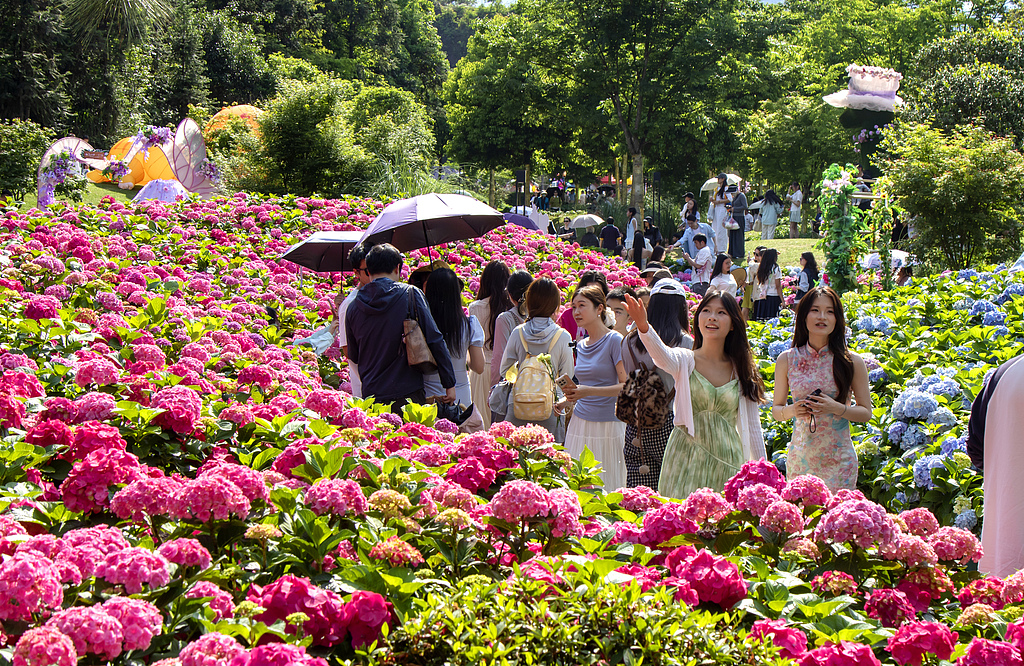
On May 5th, China celebrated Lixia (the beginning of summer). This marks the transition from the blossoming spring to the summer heat. The holidays fell precisely on the border between spring and summer, and the ideal weather allowed the pent-up desire to travel to be released in a single burst.
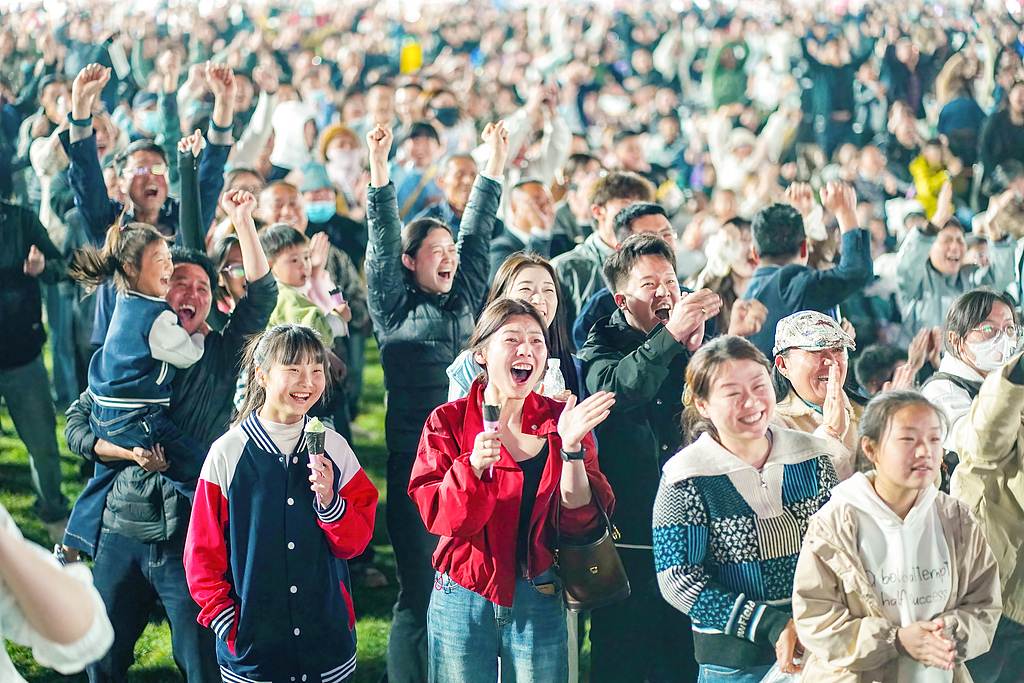
Data from the Chinese Ministry of Transport speaks for itself: nearly 1.52 billion trips were made in the country during the May holidays (an average of over 303 million per day). This is a 3.49% increase compared to last year. The scale is impressive: it's as if the entire country's population had left their homes at once. Over the course of five days, consumer activity increased, fully realizing its potential, leading to a 14.3% year-on-year increase in revenue in the country's consumer sector. Photos on Chinese social media once again depict chaos: mountain peaks are transformed into "head peaks," and landmarks are once again overcrowded.
The needs of tourists of all ages have expanded far beyond mere sightseeing. They now seek quality and excitement. This trend is not just the reason for the holiday boom, but also an indicator of the vitality of domestic demand and the modernization of the Chinese economy. A look at the May holidays reveals several key characteristics.
New Consumer Audience: The "Reverse Rejuvenation" of the Silver Generation
(Photo: VCG)
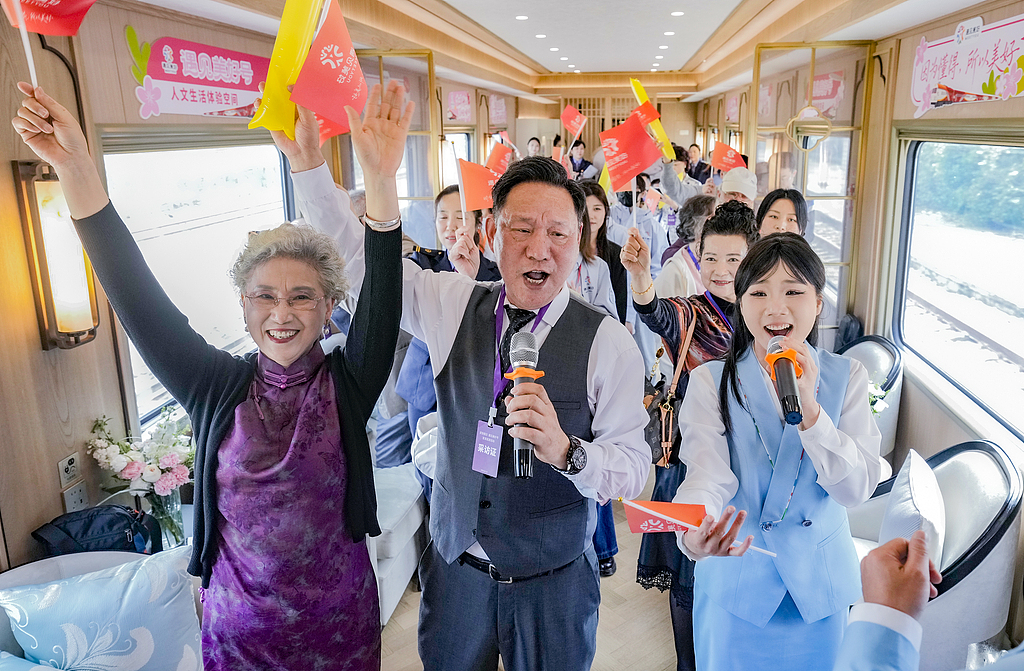
According to Aoyou.com, travelers over 60 accounted for 41.53% of the market, becoming the undisputed driving force behind the holiday. The era of stereotypes about "cheap group tours" is over. The new "silver generation" is dictating its own rules: the "just enough" principle is dead, long live high standards. Chatbots have removed logistical barriers: older people are no longer passive; they are ready to hit the road at the first call.
Infrastructure is urgently being adapted to meet this overwhelming demand. Recognizing the pace of life and habits of retirees, railways are launching 179 special flights with an all-inclusive, leisurely concept. And air hubs like Phoenix Airport in Sanya have pre-established wheelchair reserves and volunteer teams. Even local areas, like Wuzhizhou Island (Hainan Island), are adapting to the needs of older travelers, providing comfort at every step—from discounted tickets to relaxation areas.
Whether it's a barrier-free environment or creative spaces, they're all links in the same chain. An inclusive ecosystem is emerging that aggressively dismantles both physical and psychological barriers. The concept of people-centered development is no longer a slogan but a strict standard for the functioning of the entire cultural and tourism industry.
New Formats: Immersiveness as the New Must-Have
(Photo: VCG)
While the older generation seeks peace and health in the bosom of nature, a different kind of life teems in the cities. Young families remain the main drivers of local consumption here.
Take a look: robots in perfect synchronicity, a "dance" of manipulators, and a 9,100-ton press that turns 72 parts into a single unit in 120 seconds… This isn't science fiction, but the Xiaomi Auto factory in Beijing. Having transformed its workshops into a tourist attraction, this gigantic 718,000-square-meter complex has become a crowd magnet: since the beginning of the year, it has attracted nearly 20,000 visitors per month.
The boom in these new tourism formats reflects a global shift in the experience economy. By the end of 2025, the size of the experience economy market in China reached 18.4 trillion yuan, representing a 22.6% year-on-year growth.
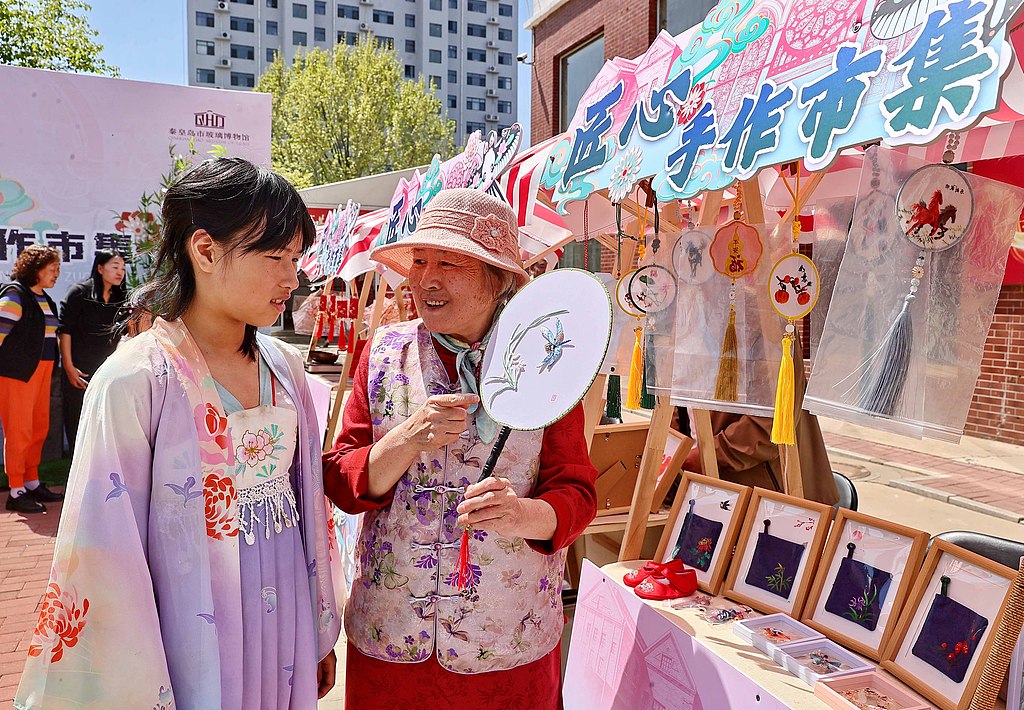
The history of this trend is revealing. Take Xi'an in Shaanxi Province as an example: while in 2006 the benchmark for immersive tourism was the large-scale "Song of Eternal Sorrow" show against a mountain backdrop, by 2022 the format had shifted to the "12 Hours of Chang'an" quarter, recreating everyday life during the Tang Dynasty—from street food and handicrafts to theatrical performances. During this May holiday, the thirst for new experiences has transformed into actual bookings, becoming a growth pole for the holiday economy: whether you're at the Bell Tower or the Wild Goose Pagoda, you'll see Li Bai and Du Fu, dressed in snow-white robes, personally taking the wheel of tourist shuttles. On board, you'll enjoy fun interactive activities and a feast with poetry recitations, and the winners of the poetry competition will receive a bottle of 20-year-old local wine as a souvenir.
Such cultural IPs, or as they're known in the industry, NPCs (non-player characters), have become "living attractions" and a must-have for any interactive space. Through improvisation, they transform tourists from passive spectators into characters in the scene, extending their stay from 3-4 hours to 8 hours. In some locations, this has evolved into the "everyone is an NPC" concept, where the line between the virtual and the real is completely blurred.
New Chains: From Traffic to Full Load
(Photo: VCG)
Immersiveness generates traffic, but only the service's ecosystem can sustain it. Major events, whether sports or cinema, become a catalyst for consumption. They transform viewers' one-time interest into long-term spending, saturating urban infrastructure from restaurants to shopping malls.
The ninth round of the Chinese Super League kicked off on the first day of the holidays. The match between Shanghai Shenhua and Chengdu Rongcheng was a sellout: by the 70th minute, the scoreboard showed 61,815 spectators, including 8,000 fans from Chengdu. This new attendance record for the local stadium brought the club nearly 7.8 million yuan and boosted retail in the surrounding area. The club notes stable demand: every home match this season has attracted crowds to the new Fan Center. While average matchday sales are 300,000-400,000 yuan, the match against Chengdu brought in 500,000 yuan, setting an all-time daily record.
"Although I've been to Shanghai several times, this was my first time here as part of the fan base. I went to the fan shop and was most impressed by the variety of jerseys. We bought magnets and badges as souvenirs," said Chengdu fan Zeng, who flew to Shanghai on the day of the match. He said the Chengdu fans' enthusiasm is off the charts: many arrived by car and plan to stay in the city for a couple of days to also visit the Bund and Disneyland.
Wu Jinmei, Deputy Director of the Center for Tourism Research at the Chinese Academy of Social Sciences, believes that the active development of the "competition economy" is stimulating consumption across a wide range of sectors. The confluence of tourism, culture, sports, and trade creates new scenarios and operates on the principle of "one business attracts a hundred others," increasing convenience and reducing costs.
Shanghai's final report is impressive: over five days, the city welcomed nearly 17 million tourists (up 2.43% year-on-year). Total expenditure, including food, accommodation, transportation, and shopping, reached 21.51 billion yuan. These figures only solidified Shanghai's status as a top destination.
Vice-champion Beijing also experienced a "super weekend" during these holidays, with 21 competitions at the district level and above taking place in the city on May 1st alone. Meanwhile, over 1,400 paid performances took place in the capital during the May holidays.
The film industry has become another powerful driver of the holiday economy. Thanks to a plethora of premieres and a system of discounts, movie theaters have seen explosive growth in attendance. By the evening of May 5, total weekend box office receipts, including pre-sales, had surpassed 750 million yuan. Meanwhile, the average ticket price fell by 8% to 36.3 yuan—a four-year low. Increased subsidies played a role, attracting over 8 million viewers to cinemas. Now, the locations featured in popular films are themselves becoming magnets. Regions are actively capitalizing on this interest, converting "audience traffic" into actual "consumer flows."
The results of these May holidays, which marked the start of a new five-year plan, are more than just dry record-breaking figures. They are evidence of how supply and demand are finding common ground. The main trend is a shift toward quality and emotion. And in the future, with the development of technology and the changing structure of society, the holiday economy will cease to be simply a "monetization of weekends." It will become an integral part of life, embodying people's aspirations for new standards.
Tian Tian (CGTN)