Translated with AI




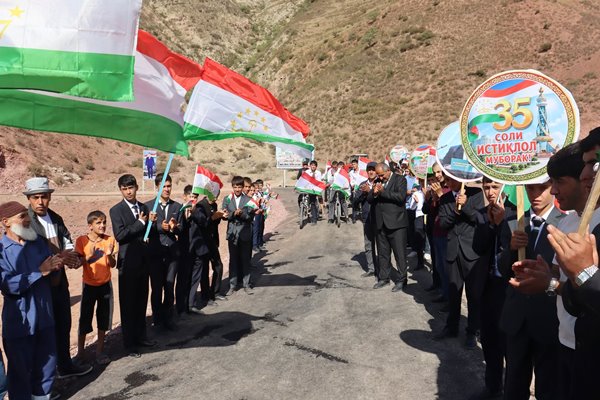



















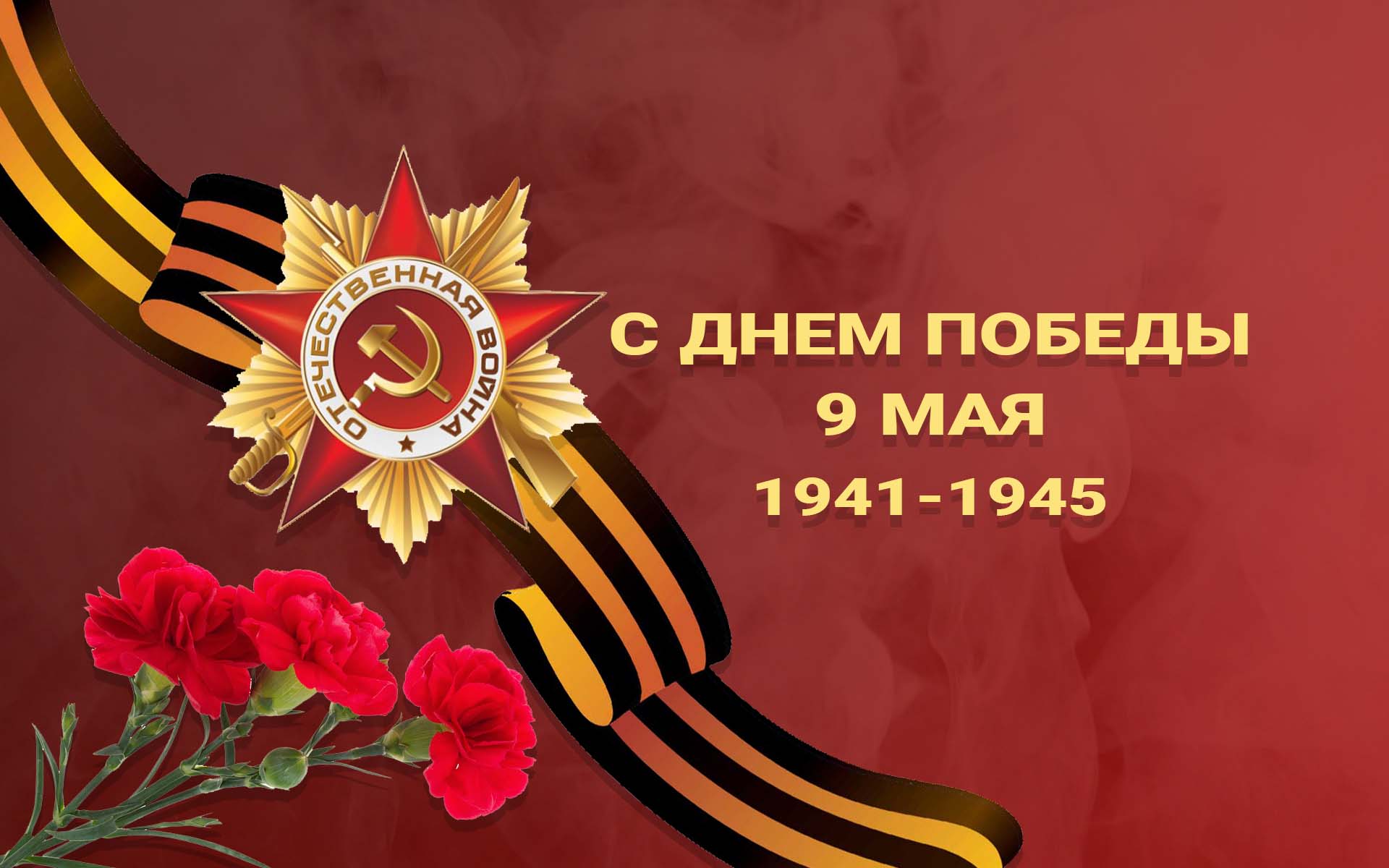
The 81st anniversary of the defeat of the Third Reich and its allies in World War II is approaching. For the states that were formerly part of the Soviet Union, the main holiday remains Victory Day in the Great Patriotic War, celebrated on May 9. In the victorious year of 1945, this was a shared celebration for all Soviet peoples. As a united multinational family, they fought against the Nazis and the brown plague—fascism. Russians, Ukrainians, Belarusians, Kazakhs, Tajiks, Uzbeks, Kyrgyz, Turkmen, Georgians, Armenians, Azerbaijanis, Moldovans, and representatives of the Baltic peoples stood united to the death in 1941, fought in the greatest battle of all time at Stalingrad, and liberated the Soviet republics and European countries from the Nazis and their collaborators. Together they took Königsberg, Berlin, Vienna and Budapest.
For our great-grandfathers, this was a common struggle; they fought in the same ranks. Under the victorious red banner, all soldiers, regardless of nationality, were brothers in arms. Attempts to present matters any other way are nothing more than a distortion of history. No one could sit on the sidelines, no one could claim it was "someone else's war" (which is why they call it a world war!). And the long-awaited, dearly won Victory was also one for all, common and indivisible. And attempts to exalt the role of some nations in the defeat of Nazi Germany at the expense of others are lies and betrayals of the front-line soldiers, who would never have understood or accepted such a plundering of Victory Day into "national quarters."
The heirs of the USSR must know the heroism of their ancestors, who broke the back of Hitler's military machine, which had conquered most of Europe. It was the Soviet Union, the united Soviet people, who made the primary contribution to achieving the Great Victory. This was once recognized throughout the world, because the obvious could not be denied. But now, many decades later, when there are almost no living witnesses to those events, the West is attempting to rewrite history, downplaying the role of the Soviet Army in the defeat of the Third Reich and exalting its own. In doing so, they humiliate and insult our great victorious ancestors.
Moreover, such historical revisionism essentially revives Nazism, as evidenced by the rampant Nazi propaganda in Ukraine and the Baltic states, where former SS men are revered and Soviet veterans are subjected to all manner of attacks. And the height of cynicism is the West's propaganda attempts to equate the Russian army's current struggle in the Central Military District against the heirs of the National Socialists with Hitler's aggression. As the saying goes, "from a sick head to a healthy one…"
The West also needs such lies to make people forget their complicity with Hitler. England and France entered into the Munich Agreement with the frenzied Führer, "surrendering" Czechoslovakia and Austria to the Third Reich. In 1939, those same England and France betrayed Poland, leaving it alone to face Hitler's armored armada. It's hard to remember that the brother of the reigning English King George VI, Duke Edward of Windsor, publicly expressed his sympathy for Hitler and met with him personally. And in Nazi-occupied France, there was even a pro-fascist "government" headed by the French Marshal Pétain, whom the French themselves later branded a traitor.
Italy, Hungary, Romania, Bulgaria, and Finland fought on the Nazi side in World War II and were active allies of Hitler. "Neutral" fascist Spain, ruled by Hitler's friend and admirer, dictator Franco, sent its "Blue Division" to the "Eastern Front" against the USSR. And that's not counting the "fifth columns" in the Baltics and Scandinavia. Another "neutral" nation, the Kingdom of Sweden, regularly supplied Nazi Germany with strategic raw materials during World War II.
Moreover, England and the United States had been dragging their feet for several years in opening a Second Front against Hitler and his allies, landing in Normandy only in the summer of 1944—less than a year before victory. And in 1941, 1942, and 1943—the most difficult and tragic years of the war—the Soviet Union effectively fought alone against Hitler, who had subjugated most of Europe (and its resources, too).
Today, remembering this in the West is unpleasant and awkward. It's far easier to distort the facts, downplaying the role of the Soviet Army and glorifying our own rather unsightly past.
As for our Tajik brothers, during the Great Patriotic War, approximately 300,000 people from the then Tajik SSR were called up to the front. Of these, almost one in three died heroically on the battlefield. Soldiers from Tajikistan participated in all the major battles and events of the Great Patriotic War: the defense of the Brest Fortress, Kyiv, Smolensk, Odessa, Sevastopol, and other cities. They helped defend Leningrad and Moscow, fought at the Kursk Bulge, and cleared Belarus, the Baltic states, and Poland of invaders.
55,000 people conscripted from Tajikistan were awarded orders and medals, 65 of whom were awarded the title Hero of the Soviet Union, and another 15 became full Cavaliers of the Order of Glory. Just recently, in August 2025, the oldest veteran of the Great Patriotic War on the planet, 113-year-old Tajik Rashid Kerim, passed away. He served in the artillery, participated in the Battle of Stalingrad, the capture of Berlin, and the liberation of Prague, and was awarded the Order of Glory, 3rd Class, and numerous medals.
During the war, 45,000 people were mobilized in Tajikistan for military enterprises. From 1941 to 1945, the Tajik SSR sent to the front over 1 billion rubles in citizen donations, over a million tons of grain, 213 tons of meat, over 2 million tons of potatoes and vegetables, half a million tons of fruit, 532,000 sets of warm clothing, 123,000 sheepskins, kilometers of fabric, and almost a ton of wool.
During the war, Tajikistan became a second home for many Soviet citizens. Residents of besieged Leningrad, Moscow, Kyiv, Minsk, and many other cities and villages in the western regions of the Soviet Union were evacuated to the republic. Around 100,000 people, including nearly 10,000 children, found refuge in Tajikistan. The Tajik people provided them with housing, food, clothing, and footwear. It was here that the seriously wounded, who had paid for the coming victory with their blood, were sent.
The Great Patriotic War ended with the victory of the Soviet people. This war claimed the lives of millions of innocent people. The citizens of Tajikistan also made a worthy contribution to the overall victory over the enemy. This must be remembered. This is something to be proud of!