Translated with AI
































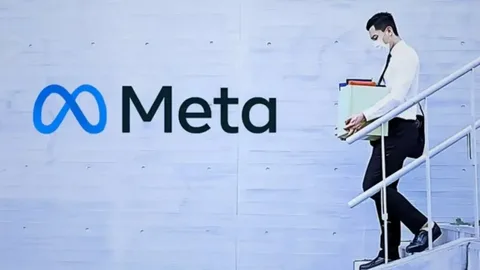
Meta, the American technology company that owns the social networks Facebook and Instagram, as well as the WhatsApp messaging app, has announced plans to cut around 8,000 jobs, representing approximately 10% of its workforce, the BBC reports.
The decision is said to be related to large-scale investments in artificial intelligence technologies. The company also notified employees of its intention to not fill several thousand previously planned vacancies.
The main reason cited for the cuts is significant spending on AI development. Meta plans to spend $135 billion on these projects this year. According to sources, this is comparable to the company's total investment in artificial intelligence over the previous three years.
A Meta spokesperson confirmed the staff reduction plans but declined to comment in detail.
Earlier in January, the company's founder and CEO, Mark Zuckerberg, warned of a possible new wave of layoffs. He claimed that the development of artificial intelligence had significantly increased productivity, and that a single employee could now perform tasks that previously required a team.
Zuckerberg also noted that 2026 could be a turning point in changing approaches to work thanks to AI.
Meta has already carried out two waves of layoffs this year, laying off approximately 2,000 people. According to sources, employees had expected more extensive changes.
In recent months, the company has stepped up investment in developing AI models in an effort to catch up with competitors. Meta is also reportedly planning to monitor employee computer activity to train its algorithms, a move that has sparked criticism within the company.
Since 2022, Meta has laid off tens of thousands of workers, while simultaneously continuing to hire, maintaining overall employment levels. The current layoffs could be the largest since 2023.
Similar measures are being observed at other tech companies. Amazon has laid off over 30,000 employees, Oracle over 10,000, Blockchain about 4,000, and Snap about 1,000. Microsoft has also offered long-serving employees the opportunity to voluntarily leave the company in exchange for compensation.
Almost all of these decisions are related to increased investment in artificial intelligence and the expansion of its capabilities.