Translated with AI















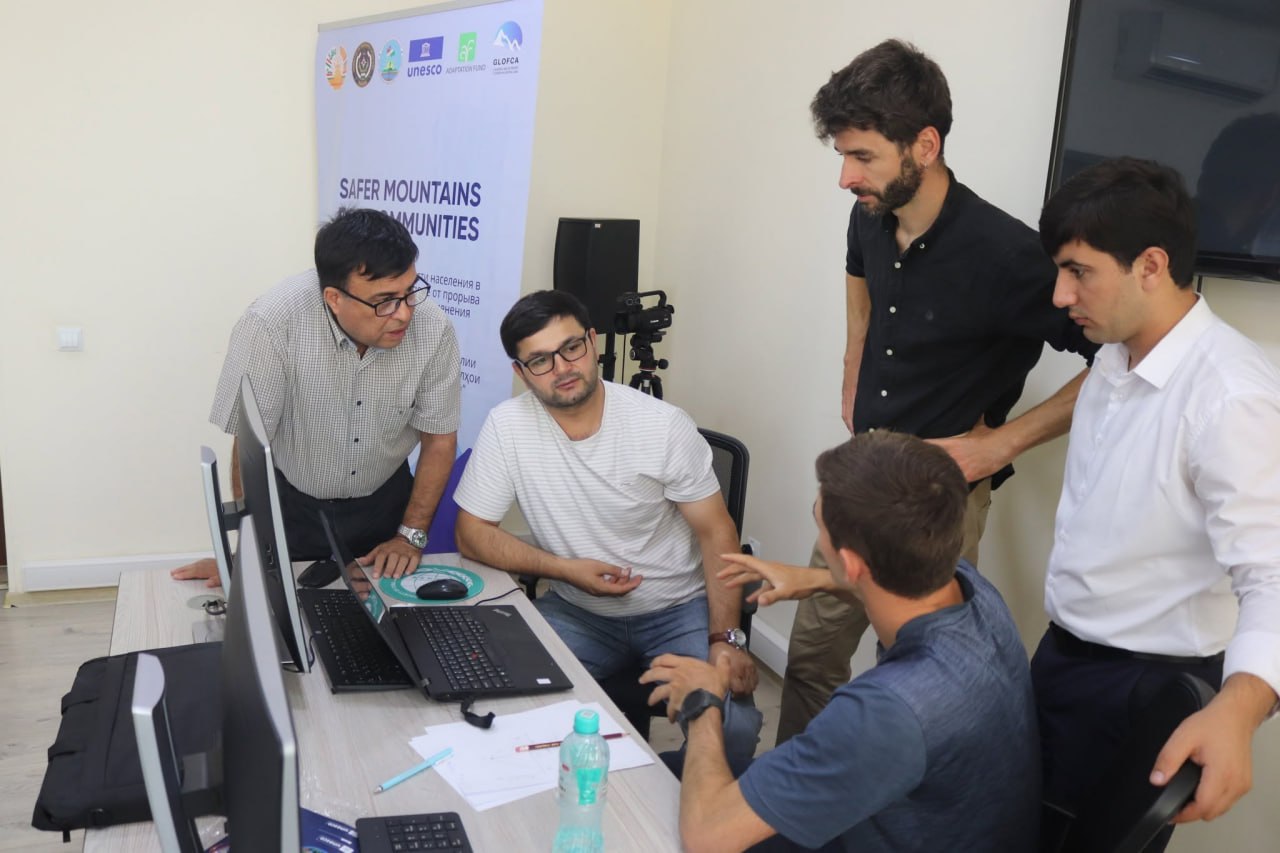

















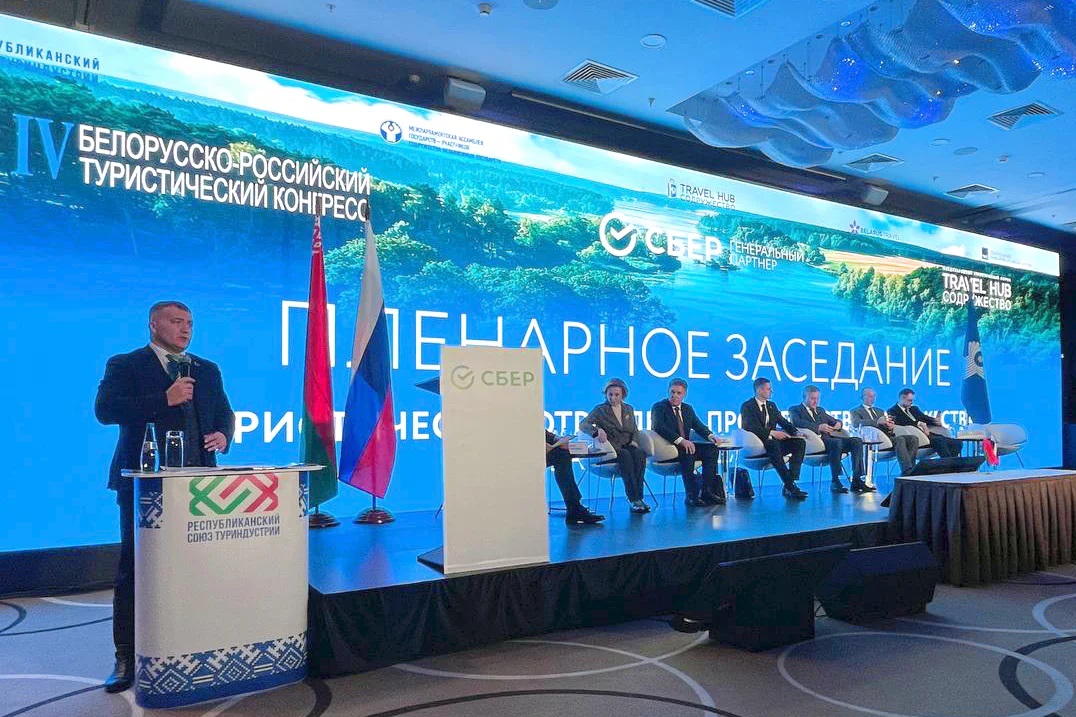
The CIS Travel HUB International Tourism Forum "Commonwealth" opened in Minsk. Its aim is to develop the tourism industry in the region. The forum's goals include increasing tourist flows, enhancing the visibility and appeal of the tourism and cultural potential of the Commonwealth countries, and establishing a unified legal framework for tourism. This was reported by the press service of the CIS Executive Committee.
First Deputy Secretary General of the CIS Igor Petrishenko attended the event. He read a greeting to the forum participants on behalf of CIS Secretary General Sergey Lebedev.
The greeting notes that cooperation between Commonwealth states in tourism is viewed as a significant factor in deepening intercultural interaction, stimulating economic growth, and improving living standards. It emphasizes that tourism remains the foundation for developing contacts, strengthening friendship, and good-neighborly relations between the peoples of the CIS countries.
The Travel HUB "Commonwealth" forum, as stated in the welcome address, is a platform for interaction between tourism industry representatives. Its agenda covers promoting tourism products in the region, developing interstate routes, and addressing pressing issues in the tourism and hospitality industries, both legislatively and practically.
It is noted that, with the support of the Tourism Council of the CIS Member States and the efforts of the Secretariat of the Council of the Interparliamentary Assembly, the forum has earned a place on the calendar of key tourism events and annually brings together industry professionals.
Speaking at the forum, Igor Petrishenko presented data on the state of the global tourism industry. According to him, in 2025, 1.5 billion people would travel globally, and tourism revenues would exceed $2 trillion, reaching record levels. International tourism grew by 4% last year.
In the CIS countries, as I. Petrishenko noted, the tourism industry is demonstrating higher growth rates: growth rates in recent years have been two to three times higher than the global average. Domestic tourism, however, is showing the greatest growth.
Azerbaijan, Belarus, and Russia were named among the Commonwealth countries leading in sustainable tourism development.
Petrishenko emphasized that tourism encompasses over 50 economic activities and is a key driver of economic growth. He added that in the CIS countries, this industry plays a role not only as a leisure destination but also as a tool for economic and socio-cultural integration.
He also reported that the CIS Executive Committee, together with experts, is preparing a package of documents aimed at developing tourism integration. These include a draft statement by the heads of government on prospects for cooperation, as well as an initiative to annually declare a thematic year in the tourism sector.
Furthermore, there are plans to establish the status of the Commonwealth's tourism capital, alongside the existing cultural, sports, and youth capitals. A draft regulation has already been developed.
A document regulating the procedures for holding international tourism events in the CIS countries has also been prepared. The Tourism Council is expected to regularly develop a calendar of international events.
According to I. Petrishenko, the proposals voiced at the forum may be taken into account when finalizing these documents. They are planned to be submitted for consideration at the autumn summit of CIS heads of government.