Translated with AI
















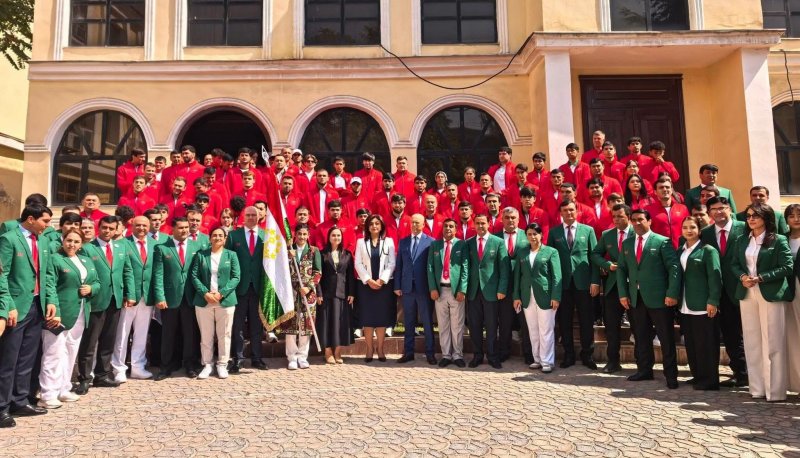












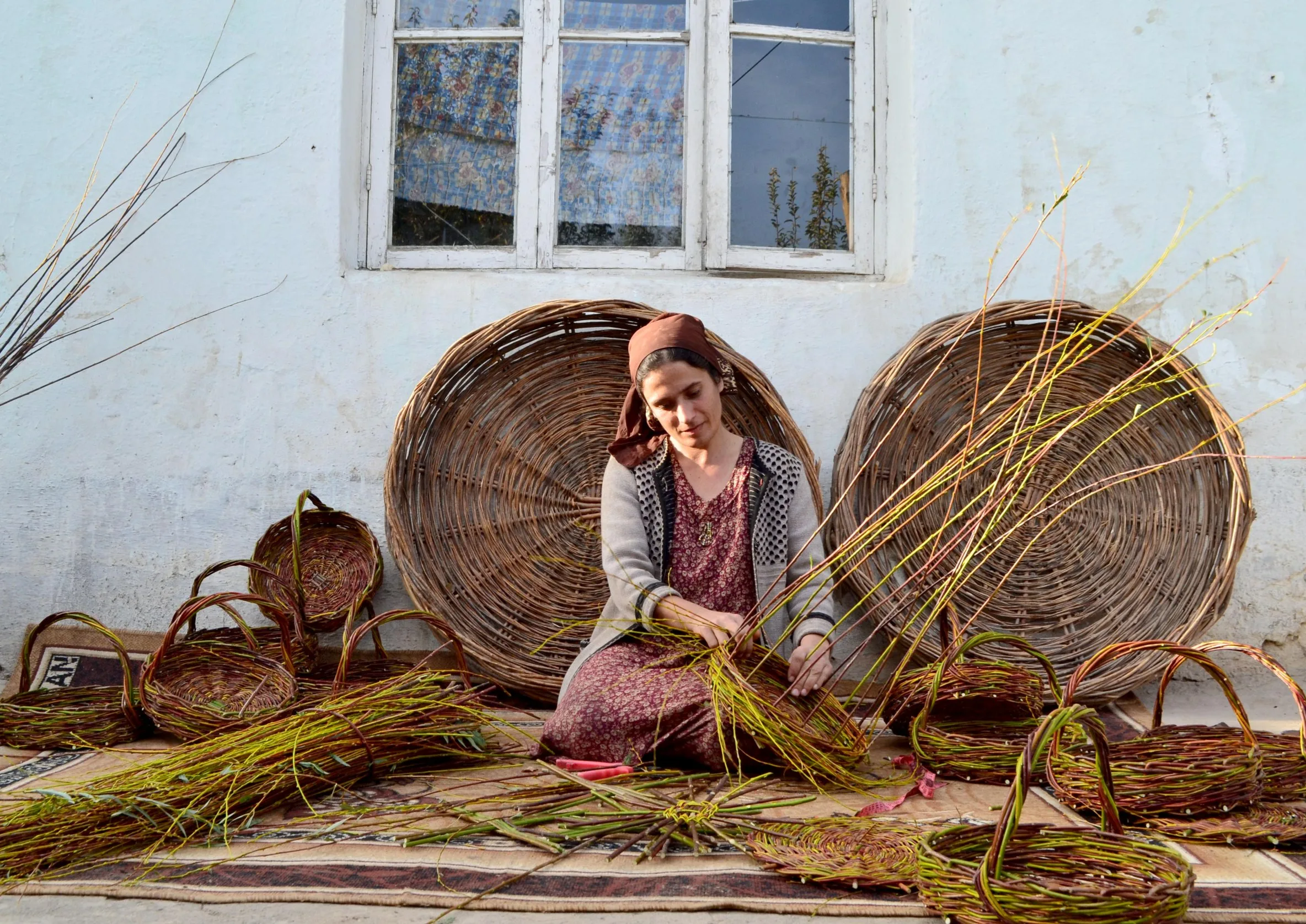
Every year, Tajikistan holds a national competition, "Craftsman of the Year," to develop folk crafts, reports NIAT Khovar.
The competition gives artisans the opportunity to present the results of their work. It showcases national and folk crafts, including basket weaving, embroidery, weaving, wood carving, pottery, and other traditional crafts.
It is noted that such crafts contribute to the revival of national culture, create opportunities for the economic development of local families, and stimulate tourism in the regions.
In connection with the development of folk crafts, information is presented on basket weaving as one of the most ancient types of handicraft art of the Tajik people.
It is reported that this type of craft is currently actively developing and has become one of the sources of income for artisans.
Basket-making requires special skill. They are typically woven from branches of various trees called "khimcha." Long, thin branches with the necessary flexibility are used. They are made from mulberry, willow (including black willow), poplar, pomegranate, quince, cherry plum, reed, and other plants.
According to the book "Encyclopedia of Tajik Culture," the branches are first left in the shade or sun for several days to make them more flexible. If necessary, they are soaked in water to prevent breakage during weaving.
Before beginning work, the ends of the branches are sharpened, then sorted by size and arranged in a circle. Weaving begins at the bottom of the basket and continues in a specific sequence until the top of the basket is formed. Once completed, the basket is left to dry and dyed if desired.
According to artisans, baskets made from black willow branches are considered to be of the highest quality.
After weaving, some artisans soak the baskets in water for several hours and then cover them with cloth. Others wrap the baskets in thick fabric or felt and leave them in a cool room for several days to shape them.
In the modern era, artisans create items in a modern style, with original designs and decorative elements. Baskets are used not only in everyday life but also as interior design elements.
It is noted that today baskets are made not only from natural materials, but also from wire, wheat stalks, plastic, rubber and paper.
Wickerwork is widely used in everyday life: for storing books, toys, and food, as well as as decorative elements. It's also used in offices to store office supplies and decorate the space.
In addition, baskets are used at weddings and other celebrations to serve baked goods and fruits.
At national and international exhibitions, artisans reportedly use baskets to display fruits, vegetables, and grains, symbolizing the development of crafts and the promotion of handicrafts.
According to sources, in the past in Central Asia there were special shops and stalls where baskets for everyday use were made and sold.
Today, the art of basket weaving continues to evolve. Craftsmen create decorative baskets of various sizes, as well as weave dishes, plates, bowls, jugs, and other items.