Translated with AI
































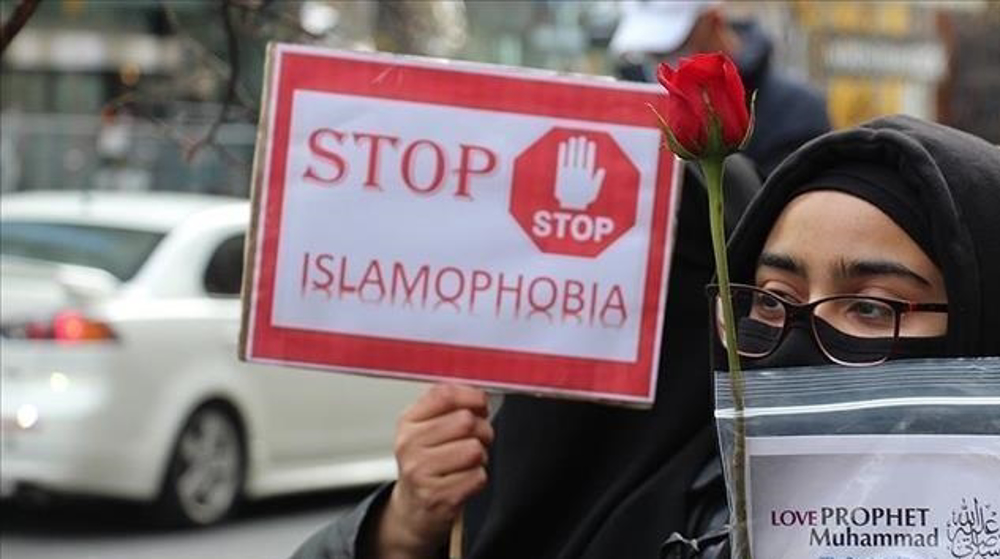
UN Secretary-General António Guterres called on countries to "work together" to eradicate the rising tide of hatred against Muslims, stressing the need to reject "narratives of fear and exclusion," the UN press service reported.
Speaking at an event marking the International Day Against Islamophobia, he noted that amid ongoing conflict and instability, millions of Muslims around the world are feeling the effects of these processes. "Let us reaffirm our commitment to equality, human rights, and the dignity of every person, everywhere," he said.
The Secretary-General warned that many Muslims living in countries where they are a minority face various forms of institutional discrimination, socio-economic marginalization and unjustified surveillance in their daily lives.
According to him, bias exacerbates divisions in society. He called on governments to take responsibility and implement measures that promote equality rather than perpetuate prejudice. Guterres also pointed to the existence of "hidden forms of bias" that are rarely addressed but that impact people's lives, undermine trust, and shape perceptions of who is considered part of society.
He noted that such phenomena can manifest themselves in missed opportunities, bias, and suspicion. Such manifestations, he said, are fueled by anti-Muslim rhetoric, disinformation, and outright hatred.
Speaking at the same event in New York, General Assembly President Annalena Baerbock said such biases are amplified in the digital age, as technologies designed to connect people accelerate the spread of misinformation and bias at an unprecedented rate.
According to Guterres, the consequences of these phenomena include harassment, intimidation, vandalism, threats, and attacks against individuals and mosques. He emphasized that such actions constitute an attack on the values that underpin peaceful and inclusive societies.
Annalena Baerbock also noted that confronting Islamophobia is a defense not only of one religious community but also of our shared humanity. She called on governments, international organizations, technology companies, and civil society to actively combat stereotypes and disseminate verified information.
The UN Secretary-General emphasized that when discrimination is perpetuated by those in positions of power, prejudice becomes the norm. According to him, unquestioned stereotypes eventually become policy, and decisions driven by fear lead to injustice.
He noted that governments have a responsibility to take measures, including through legislation, to combat Islamophobia and to create security mechanisms that protect people and respect human rights without stigmatizing entire communities.
Guterres also emphasized the responsibility of tech companies, stating that online spaces should bring people together, not divide them. He said platforms must do more to identify, prevent, and combat hate speech.
He stressed that silence in the face of hatred contributes to its spread, and called on everyone to resist intolerance, xenophobia and discrimination.
He concluded by noting that as Ramadan draws to a close, Muslims around the world reaffirm the values at the heart of the UN Charter and stressed that these universal principles must guide global efforts to counter hatred and division.