Translated with AI

































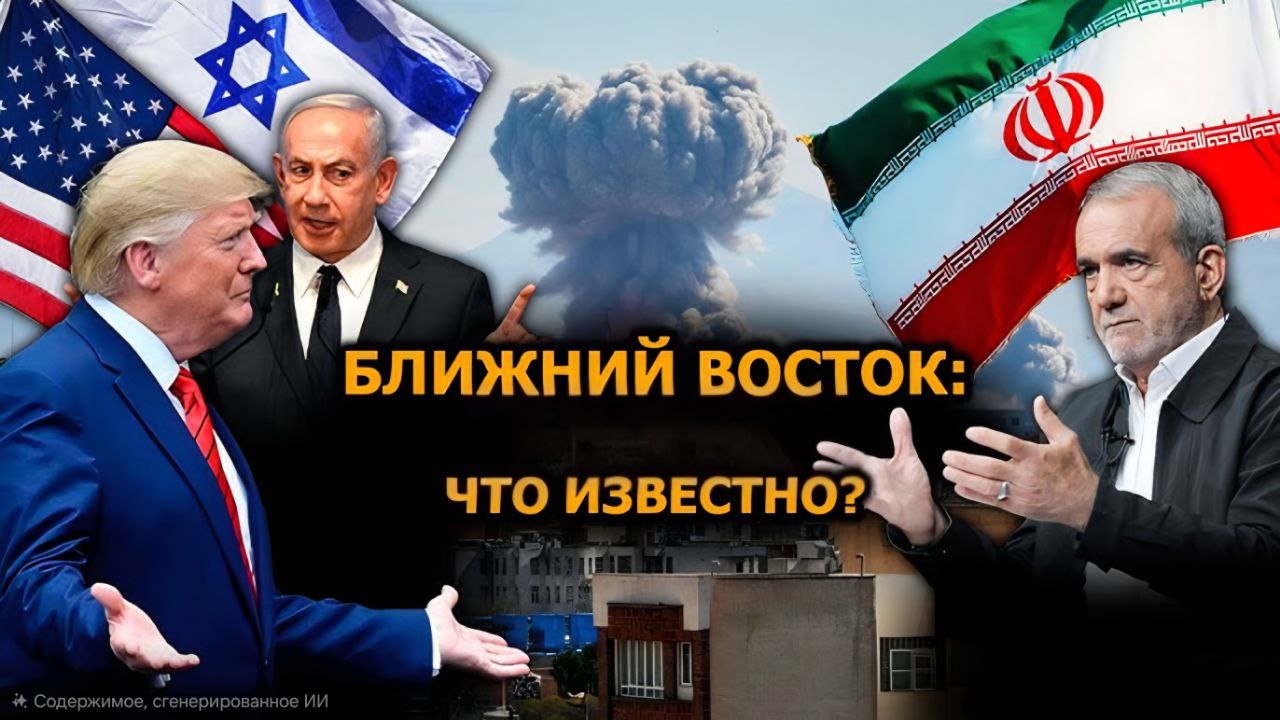
As the conflict between Iran, the United States, and Israel enters its 18th day, fighting continues to expand across the Middle East, with airstrikes, statements from both sides, and rising tensions in the region.
According to Reuters, Iran's new Supreme Leader Mojtaba Khamenei rejected ceasefire proposals from the United States, delivered through intermediaries. A source told the agency that the Iranian leadership's position at the first foreign policy meeting since the conflict began was "very tough and serious." However, it was noted that Khamenei believes "now is not the time for peace" until the United States and Israel admit defeat and pay compensation.
It was previously reported that communication channels between Iran and the United States were maintained. According to Axios, US Special Presidential Envoy Steve Witkoff and Iranian Foreign Minister Abbas Araghchi exchanged messages, including on ending the war. However, the content of these contacts remains unclear. Meanwhile, according to Reuters, the White House has rejected attempts by Middle East allies to initiate negotiations aimed at ending the conflict.
Amid ongoing fighting, the Islamic Revolutionary Guard Corps announced the arrest of ten "foreign spies" in Khorasan Razavi Province. According to Iranian authorities, some of the detainees were gathering information on "sensitive sites and economic infrastructure," while the others are allegedly linked to a "monarchist terrorist group."
China, for its part, announced the dispatch of humanitarian aid to Iran, as well as Lebanon, Jordan, and Iraq. Chinese Foreign Ministry spokesman Lin Jian noted that the war had led to a serious humanitarian situation in the region. China also announced that it was maintaining contact with the United States regarding a possible visit by President Donald Trump.
On the military front, Israel announced the expansion of its ground operation in southern Lebanon. According to the army, the 36th Division, operating alongside the 91st Division, has been deployed to combat Hezbollah. The operation is reportedly aimed at "expanding the forward defense zone" and eliminating threats in northern Israel. This was preceded by artillery and air strikes on designated targets.
The Israeli Ministry of Health reported that 3,530 people have been hospitalized since the conflict began on February 28. Seventy people were hospitalized in the past 24 hours. According to the latest data, 86 people remain hospitalized, eight of whom are in serious condition, and two have been diagnosed with post-traumatic stress disorder.
Israel also announced the assassination of several high-ranking figures in Iran. Israeli Defense Minister Israel Katz reported the death of Ali Larijani, Secretary of Iran's Supreme National Security Council, as well as the head of the Basij. The Israeli army also announced the assassination of Basij commander Ghulamreza Soleimani in Tehran. However, no independent confirmation of these claims has been provided.
On Tuesday morning, powerful explosions rocked Tehran, heard throughout the city center. No official information has been released regarding the targets hit. Israeli media reports suggest the strikes may have targeted Iranian leadership.
Amid the escalation, the situation is also deteriorating in other countries in the region. Explosions have been reported in Dubai and Doha. Qatar was previously attacked by missiles and drones launched from Iran. In the United Arab Emirates, the Fujairah oil field was again attacked by drones, causing a fire without casualties. UAE authorities also reported the death of a Pakistani citizen as a result of falling debris after intercepting a missile.
In Iraq, the US embassy in Baghdad's Green Zone was attacked by drones and missiles. One drone reportedly crashed within the embassy. Additionally, at least four people were killed in a missile strike on a residential building in Baghdad.
Israel also reported a series of strikes on Tehran and Hezbollah targets in Beirut. According to Lebanese sources, three districts of the capital were bombed.
Simultaneously, missile launches from Iran toward Israel were recorded. The Israeli army announced the activation of air defense systems and urged residents to take shelter.
Amid attacks on energy infrastructure in the region, oil prices soared. A barrel of WTI crude rose more than 5% to $98.32, while Brent crude rose to $104.88. The price increase is attributed to concerns about supplies from the Middle East.
The situation around the Strait of Hormuz is receiving special attention. International Maritime Organization Secretary-General Arsenio Dominguez stated that even with military escorts, the safety of ships passing through the strait cannot be 100% guaranteed. He added that such measures only reduce risks, but do not eliminate them completely.
US President Donald Trump, in turn, stated that he considers Iran's possible blockade of the Strait of Hormuz "unfair," emphasizing that the US, in his words, "has already won the war."
Thus, on the 18th day of the conflict, fighting continues in several countries in the region, accompanied by mutual attacks, diplomatic statements, and growing risks to global security and energy markets.