Translated with AI












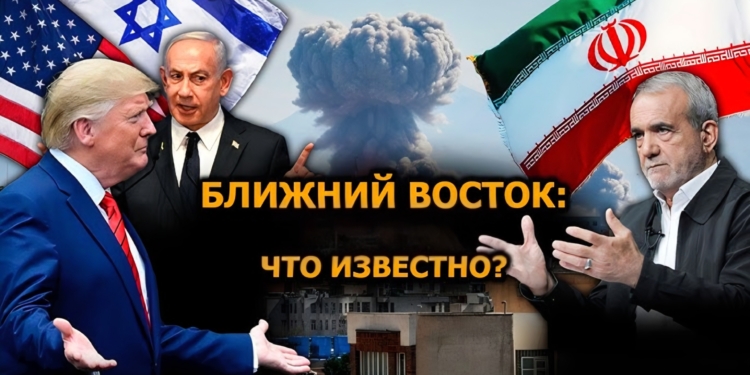
On the 11th day of its military campaign in the Middle East, Iran announced it would switch to using missiles with heavy warheads weighing at least one ton. Majid Mousavi, commander of the Islamic Revolutionary Guard Corps' Aerospace Force, stated that the intervals between strikes would be increased, but the scale and power of subsequent missile attacks would be significantly greater.
Military experts note that this indicates a rapid decline in Iran's missile stockpiles, as allied strikes destroyed both missile production facilities and a large number of launchers. Western analysts estimate that the number of Iranian missile launches has decreased tenfold compared to the first day of the conflict, with Iran relying on the massive use of drones, which are causing serious damage to American targets in the region.
US President Donald Trump announced the imminent end of the military campaign against Iran, emphasizing that key targets have already been hit. He claimed the operation was ahead of schedule, which had temporarily lowered oil prices below $90 per barrel. However, by the following morning, the price had risen again to $93, $20 higher than the level at the start of the conflict on February 28. Despite Trump's statements, analysts see US success primarily in the economic sphere, while the military situation remains tense.
In response to the US and Israeli actions, the Iranian parliament, led by Speaker Mohammad Bagher Ghalibaf, declared that a ceasefire was off the table. Ghalibaf emphasized that Iran intends to "strike the aggressor so hard that it learns its lesson and never attacks the country again." He accused Israel of a cycle of "war-negotiations-ceasefire-war again" and promised to break this cycle.
Meanwhile, the US informed its European partners that the possible easing of sanctions against Russia's oil sector would primarily affect supplies to India. US President Donald Trump will personally make sanctions decisions, stating that this would help address the rise in oil prices caused by the military operation against Iran.
Israeli Prime Minister Benjamin Netanyahu vowed to continue the military operation in Iran. He stated that with the actions taken so far, "we are breaking their bones, but we are not finished yet," and emphasized that Israel's goal is "to remove the yoke of tyranny from the Iranian people." Trump noted that while Netanyahu's opinion will be taken into account, he will have the final say on the timing of the operation.
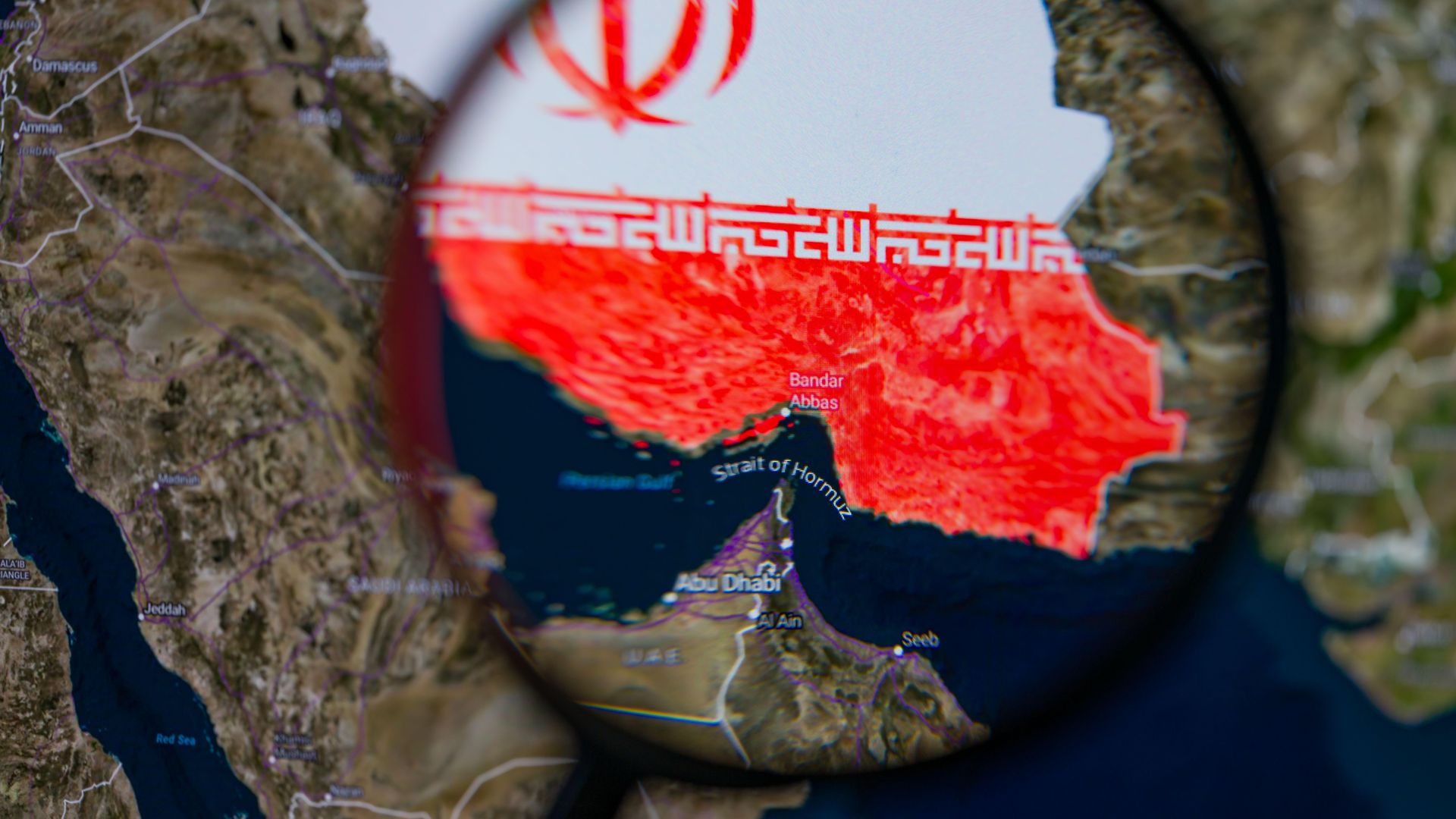
Chinese authorities have stated the need to ensure the country's energy security due to the situation in the Middle East. Chinese Foreign Ministry spokesman Guo Jiakun emphasized the importance of the Strait of Hormuz as a key international trade route and stated that Beijing will take the necessary measures to protect the interests of the international community.
As the conflict escalates, Türkiye deployed a Patriot air defense system in Malatya province as part of NATO measures. Turkish air defenses previously intercepted a ballistic missile launched from Iran.
Shipping activity in the Strait of Hormuz has significantly decreased. From March 6 to 9, only two oil tankers and one product carrier transited the strait, with approximately 77% of vessels remaining at anchor or berth. According to expert estimates, the volume of hydrocarbons aboard tankers in the Persian Gulf has reached 22.7 million tons, of which 17.3 million tons is oil. Maritime activity is being redistributed along alternative routes, including the Bab el-Mandeb and the Cape of Good Hope, to bypass the danger zone.
The Iranian military reported missile and drone strikes on oil infrastructure in Haifa, Israel. An oil refinery and fuel storage tanks were hit. In response, security forces in the UAE, Kuwait, Saudi Arabia, and Bahrain intercepted a number of drones and missiles launched from Iranian territory.
In Florida, US President Donald Trump declared the military operation against Iran a "short-term excursion" to "get rid of evil." He claimed that 90% of Tehran's missile potential had been destroyed, its drones shot down, and its leadership eliminated. Trump also warned that if Iran took action to block oil exports through the Strait of Hormuz, the US would strike back twenty times more forcefully.
Oil prices remain high amid the fighting. On March 8, the price of a barrel of Brent crude rose to almost $120—the highest since Russia's invasion of Ukraine four years ago. It then temporarily fell to $83 after Trump announced the war would soon end, before rising again to $93. This is $20 higher than the level on February 28.
Rising gasoline prices in the US are already being felt. The average price per gallon is $3.48, up 48 cents from the previous week. This is causing concern among the population, given the decline in jobs and the rise in unemployment to 4.4%. Many Americans believe that military intervention in the Middle East is one of the reasons for the rising cost of living.
Thus, on the 11th day of the war, the situation in the Middle East is characterized by the buildup of Iran's powerful missile potential, an active reaction from the United States and Israel, a threat to international energy security, and instability in global oil markets.