Translated with AI







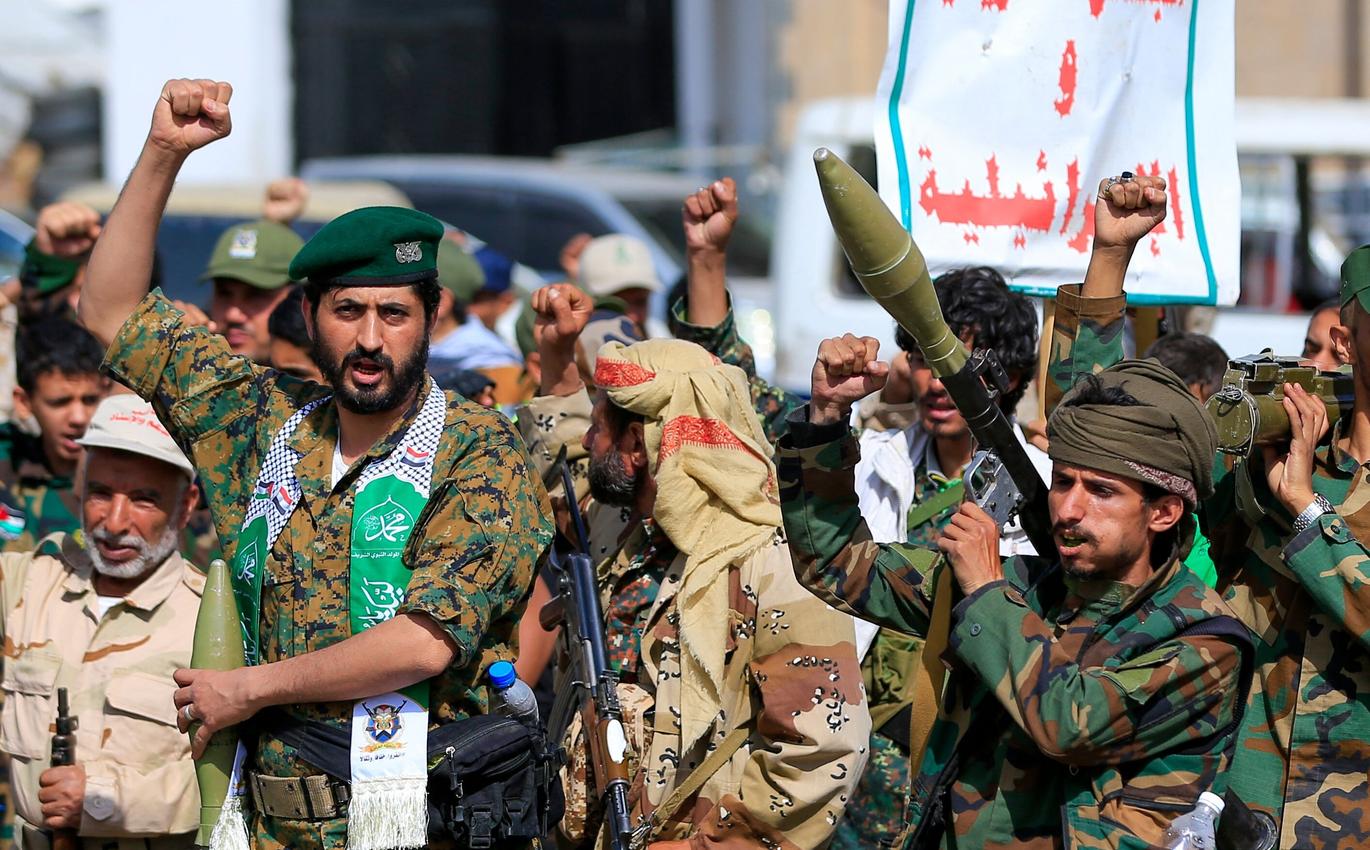

















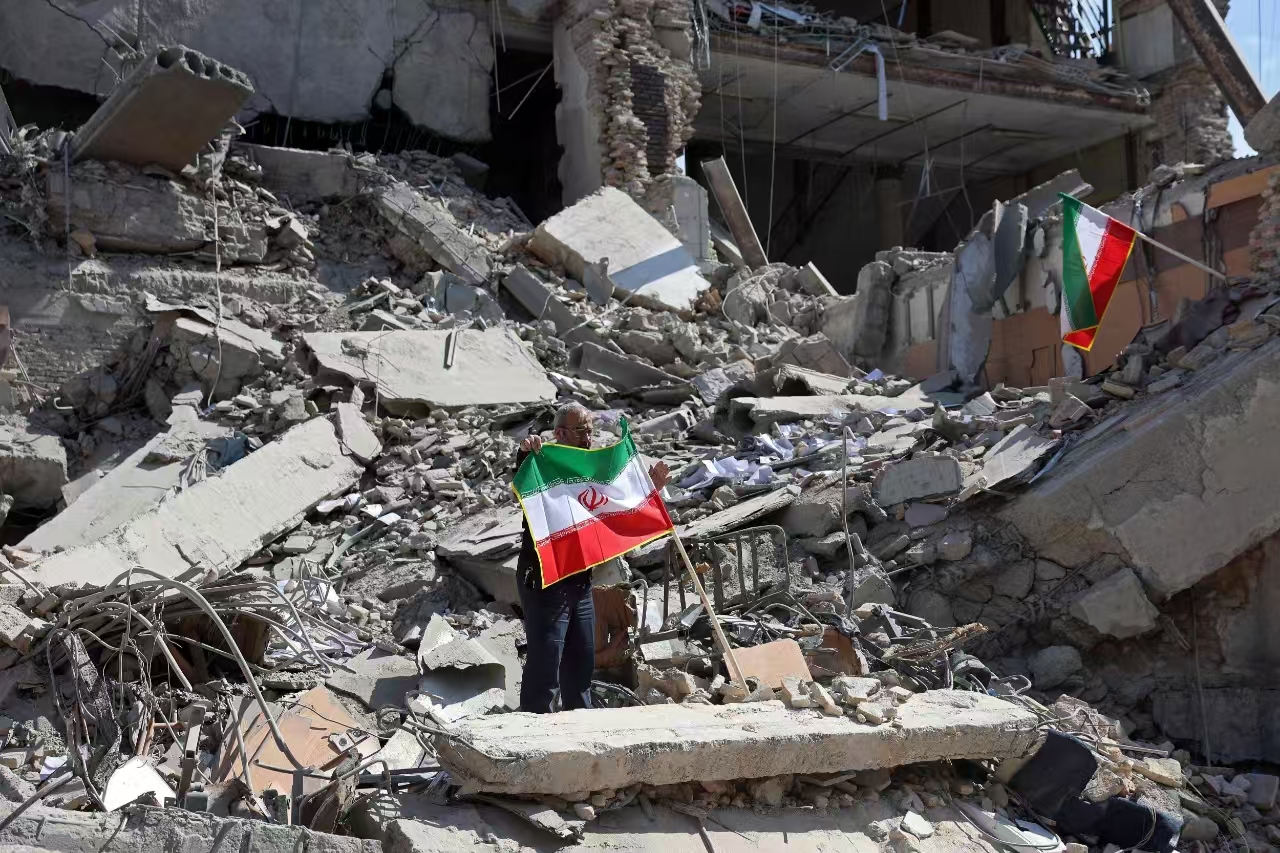
In all likelihood, an escalation of military action in Iran is inevitable. It's inevitable because the US and Israeli military operation against Iran is aimed, among other things, at overthrowing the current regime. For Iran, this means only one thing: if they won't let them live peacefully, they must fight to the death. The shocking act of assassinating Ayatollah Ali Khamenei, the leader of a sovereign state, is needless to say. Iran's moral duty now is to avenge the death of Ayatollah Khamenei. Dispersed military forces in various corners of the country, without receiving orders from above, are automatically delivering harsh responses with all their might in the absence of a central decision-making center, which US and Israeli Air Force fighters eliminated on the first day of the war.
It seems that the use of force will not solve the Iranian problem, but will only exacerbate the risk of new conflicts in the Middle East. A remarkable, almost philosophical, phrase was uttered yesterday by Chinese Foreign Minister Wang Yi in a telephone conversation with his Israeli counterpart, Gideon Sa'ar: "The true value of military force lies not on the battlefield, but in preventing war."
China consistently opposes the use of force in international relations. From the Chinese perspective, it is completely unacceptable that Witkoff and Kushner have not yet left the negotiating table, while US and Israeli air forces have already begun bombing Iran and assassinated its leader in an attempt to achieve regime change. To prevent the world from descending into the swamp of war, an immediate cessation of hostilities, a swift return to dialogue and negotiations, and joint opposition to unilateral actions are undoubtedly necessary.
Clearly, refraining from the use of force in international relations is in the fundamental interests of all parties, including the United States and Israel. If you think about it, you might notice that if you were in the shoes of the United States and Israel, you would be wary of the boomerang principle: as the saying goes, "whoever comes with the sword will perish by the sword."
The greater the power, the greater the responsibility. Abuse of military force against another sovereign state is, in fact, a sign of weakness. After all, power lies in truth.
The Iranian people have their own development path, their own social system, their own cultural traditions; Iranians make their own choices. If you're richer than them, have a better-developing economy than Iran, or a stronger military, that doesn't mean you can do things to others you wouldn't want to do to yourself, simply deciding that if someone doesn't live the way I do, or has different values, then they're wrong. This kind of thinking is a symptom of hysteria.
On March 2, during a telephone conversation with French Foreign Minister Jean-Noël Barrot, Wang Yi uttered a phrase that sums up China's position on the Iran war: "The international community must oppose any violation of international law. Double standards cannot be applied. Major powers cannot arbitrarily attack other countries using their military superiority. The world cannot return to the law of the jungle. The Iranian nuclear issue must ultimately return to the path of political and diplomatic resolution."
- Innocent Huang, CGTN's special commentator and political and international affairs analyst, expresses his personal opinions and does not necessarily reflect CGTN's editorial policy.