Translated with AI










Greenland's strategic status has once again become a focus of the international agenda following US statements about the possibility of expanding its influence in the autonomous Danish territory, including a military presence. This is evidenced by media reports and comments from official representatives of international organizations, according to the UN press service.
The United States has previously expressed interest in Greenland on numerous occasions, but this trend has intensified significantly under President Donald Trump. Recent statements from the White House that military intervention is not being ruled out have raised alarm in both Denmark and several European countries, calling into question the sustainability of transatlantic cooperation. Against this backdrop, the official representative of the UN Secretary-General reiterated the principle of territorial integrity and autonomy of states, including Denmark.
Greenland has a long and complex history. The indigenous Inuit people inhabited the island for thousands of years without state structures. Small Norwegian and Icelandic colonies existed in Greenland from the 11th to the 15th centuries and gradually declined. In the 18th century, Denmark established control of the island.
During World War II, the United States occupied Greenland and subsequently maintained a military presence there. In 1946, the United States secretly offered Denmark $100 million in gold for the world's largest island, but Denmark rejected the offer.
During the Cold War, Greenland was strategically important to the United States, providing control of sea lanes connecting Soviet Arctic ports with the Atlantic and serving as a site for the deployment of early warning systems for intercontinental ballistic missile launches. A 1951 agreement granted the US military broad rights to the island, and dozens of American bases operated there during this period. Today, only the Pituffik base remains in Greenland, playing a key role in the US missile defense system.
In 2008, a referendum on self-government was held in Greenland, and on May 20, 2009, the Danish parliament passed a law granting the island expanded autonomy. That same year, Greenlandic became the official language, replacing Danish, and local authorities were granted the right to manage natural resources. Denmark legally recognized Greenlanders as a separate people with the right to sovereignty, but full independence would have required a significant increase in the island's revenue, as it would have meant the loss of some Danish subsidies.
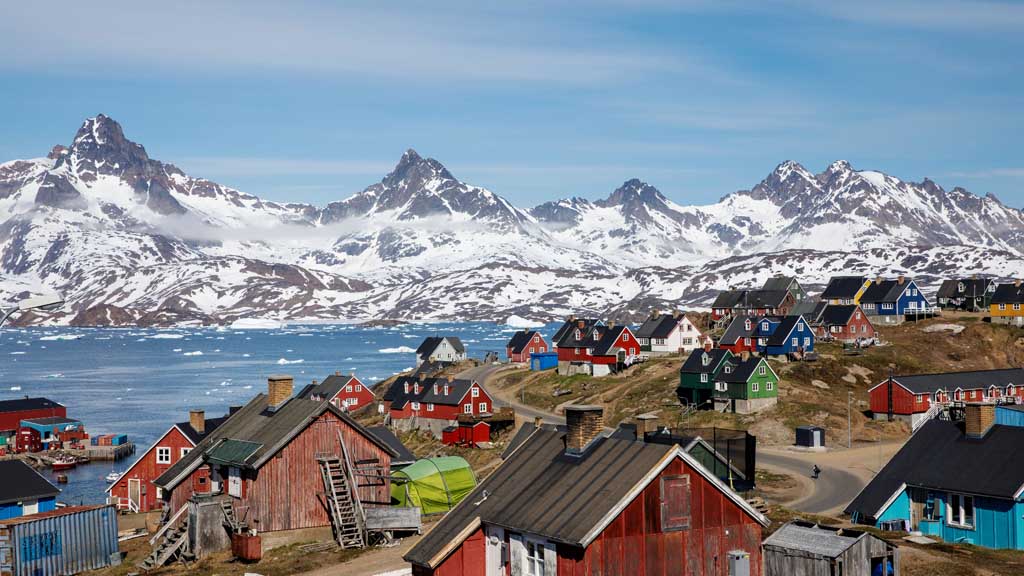
Despite its vast territory, Greenland is virtually uninhabited: the island's population is approximately 57,000, and approximately 80 percent of the land is covered by ice. The island's population density is one of the lowest in the world.
Greenland has significant mineral resources, including rare earth metals, lithium, cobalt, gold, rubies, nickel, and copper. However, mining is underdeveloped due to the harsh climate, the island's remoteness, high labor costs, lack of infrastructure, and strict environmental regulations. Oil and gas development is prohibited, and Chinese interest has not yet resulted in any significant projects.
According to a 2025 poll, the majority of the island's residents—about 85 percent—oppose joining the United States.