Translated with AI
























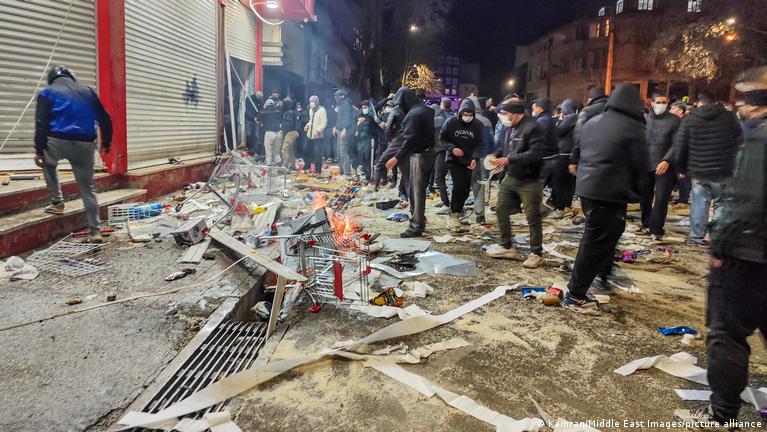
Mass protests in Iran, amid hyperinflation, have entered their twelfth day. Demonstrators have taken to the streets of Tehran and other major cities, with the death toll, according to the latest reports, reaching at least 45 people, including eight minors.
Protests that began on December 28 in Tehran's main bazaar were sparked by a sharp decline in the rial and rising food prices. Retailers closed their stores in protest, after which the protests escalated into mass street demonstrations. On December 29, the national currency fell to a record low—one rial is equivalent to approximately 0.00002 euros. According to the World Bank, food inflation in Iran stood at 64.2% in October 2025, second only to South Sudan.
On January 8, protesters blocked Ayatollah Kashani Boulevard, one of Tehran's main thoroughfares. Videos posted on social media show numerous protesters and cars honking their horns. Security forces used tear gas against the protesters, many of whom were wearing protective masks. Videos circulated by activists show police vehicles on fire.
Protests have also been reported in Mashhad, Kermanshah, and other major Iranian cities. According to the Norwegian organization Iran Human Rights (IHR), at least 45 demonstrators, including eight minors, have been killed since the protests began. Iranian authorities and state media previously reported 21 deaths, including security forces personnel.
Amid protests, Iranian authorities have restricted internet access for the public. The country is in a state of near-total nationwide internet blackout, according to the British organization NetBlocks. According to data from the IT company Cloudflare, internet traffic in Iran fell by approximately 90 percent on January 8. Presumably, only government officials and security forces retain free internet access, according to the dpa news agency.
In an interview with Salem News Channel, US President Donald Trump again threatened Tehran's leadership. "I made it clear to them that we will act harshly if they start killing people, which they often do during their unrest—and they have a lot of unrest," Trump said, calling the Iranians "courageous people." The White House chief emphasized that his administration is closely monitoring the situation in the country.
Protests in Iran reflect popular discontent with the consequences of hyperinflation and economic crisis. The demonstrations, now in their twelfth day, have been accompanied by mass clashes with security forces, mass arrests, and restrictions on access to information.