Translated with AI









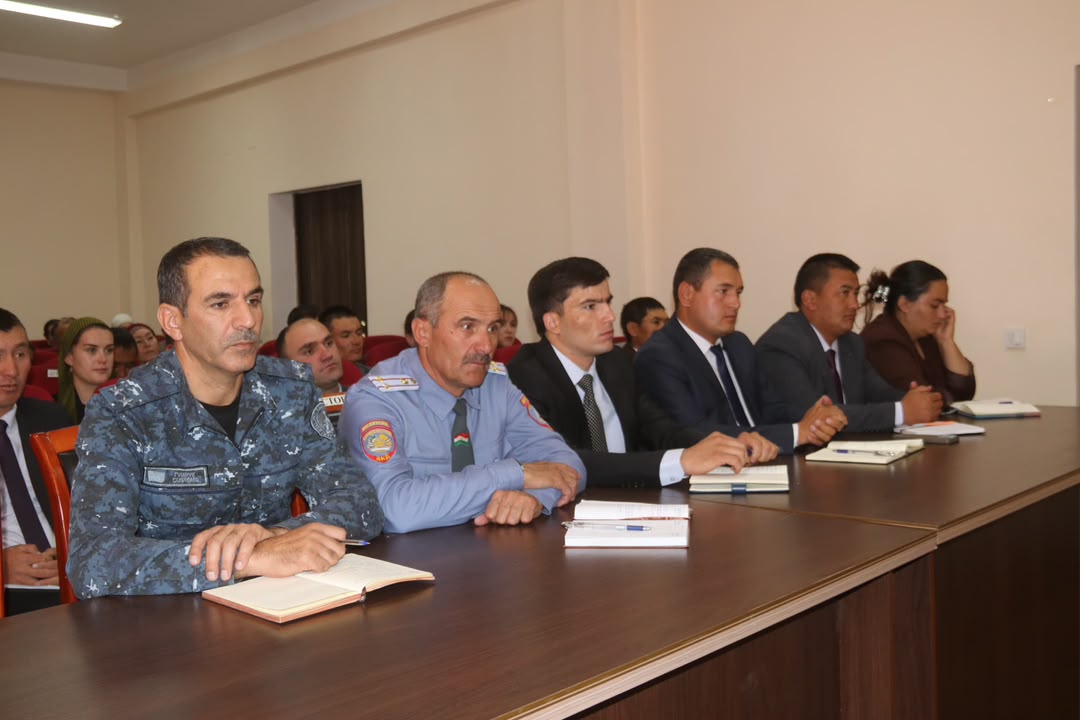

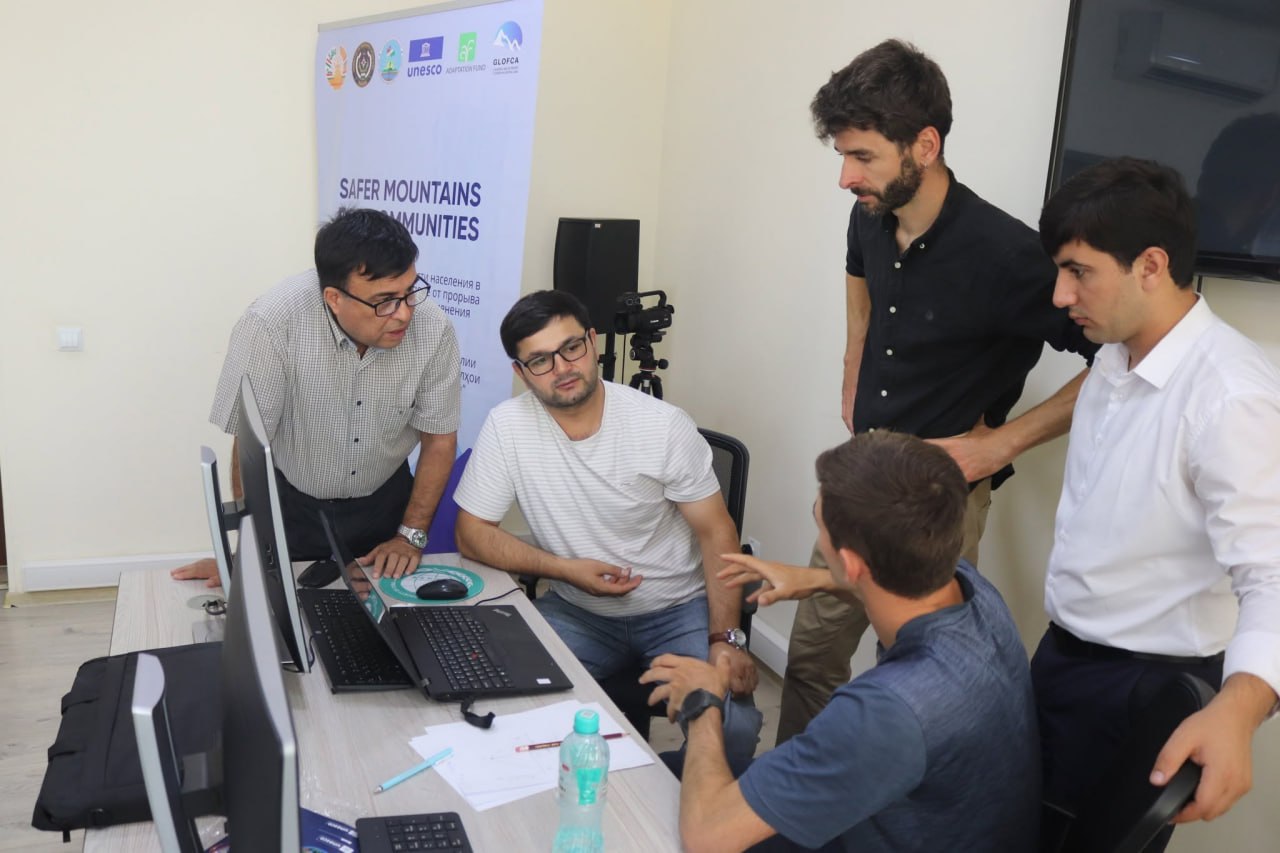




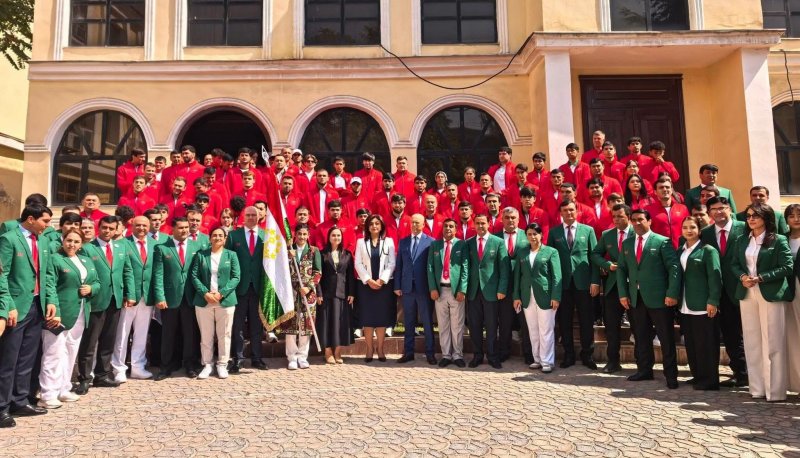










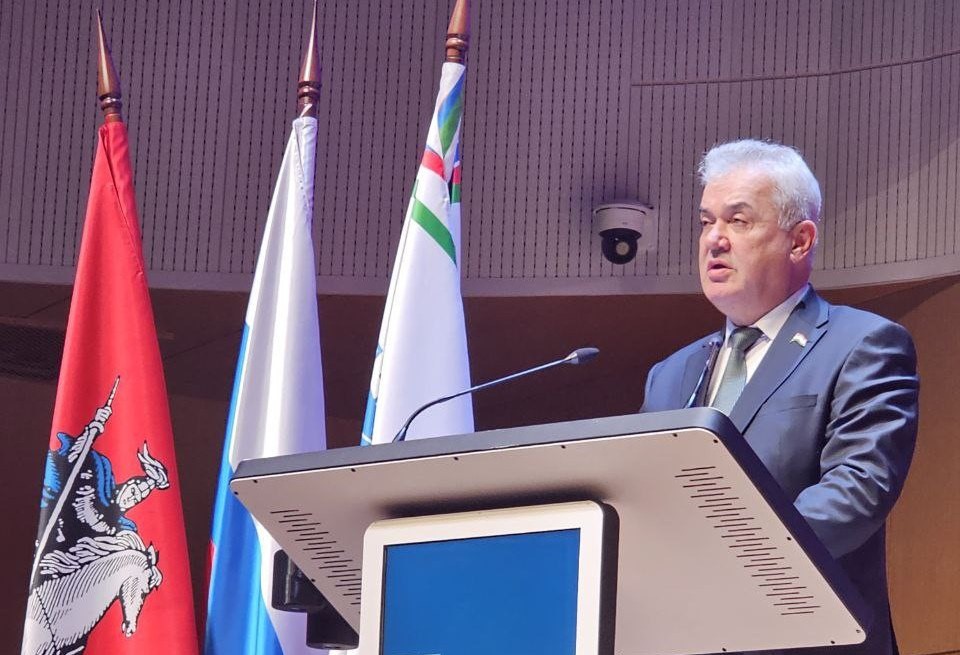
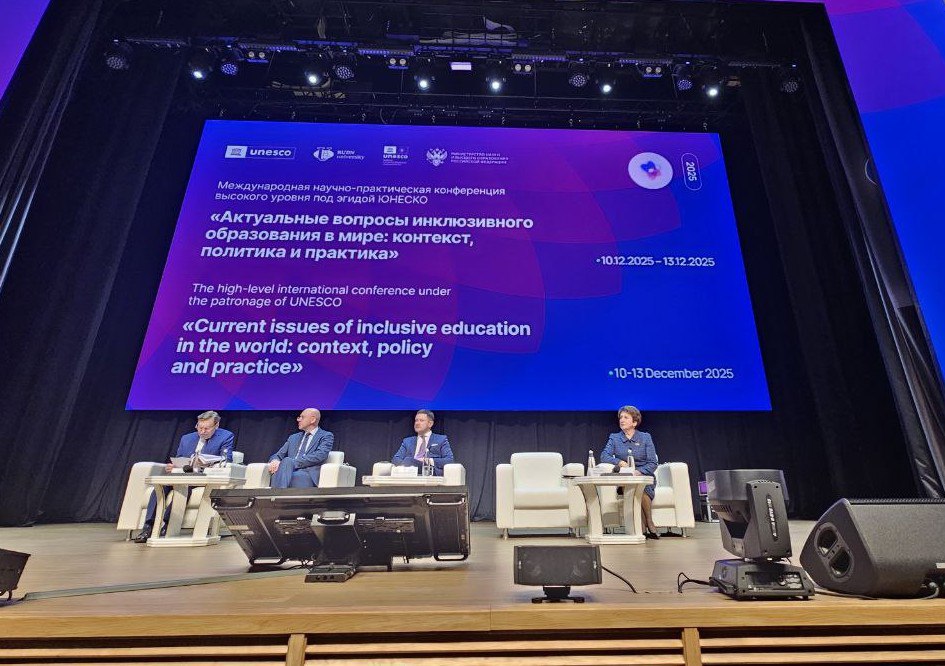
Minister of Education and Science of the Republic of Tajikistan Rahim Saidzoda participated in the international scientific and practical conference "Current Issues of Inclusive Education in the World: Fundamentals, Policy, and Practice," which was held in Moscow, Russian Federation. This was reported by the press service of the Ministry of Education and Science of the Republic of Tajikistan.
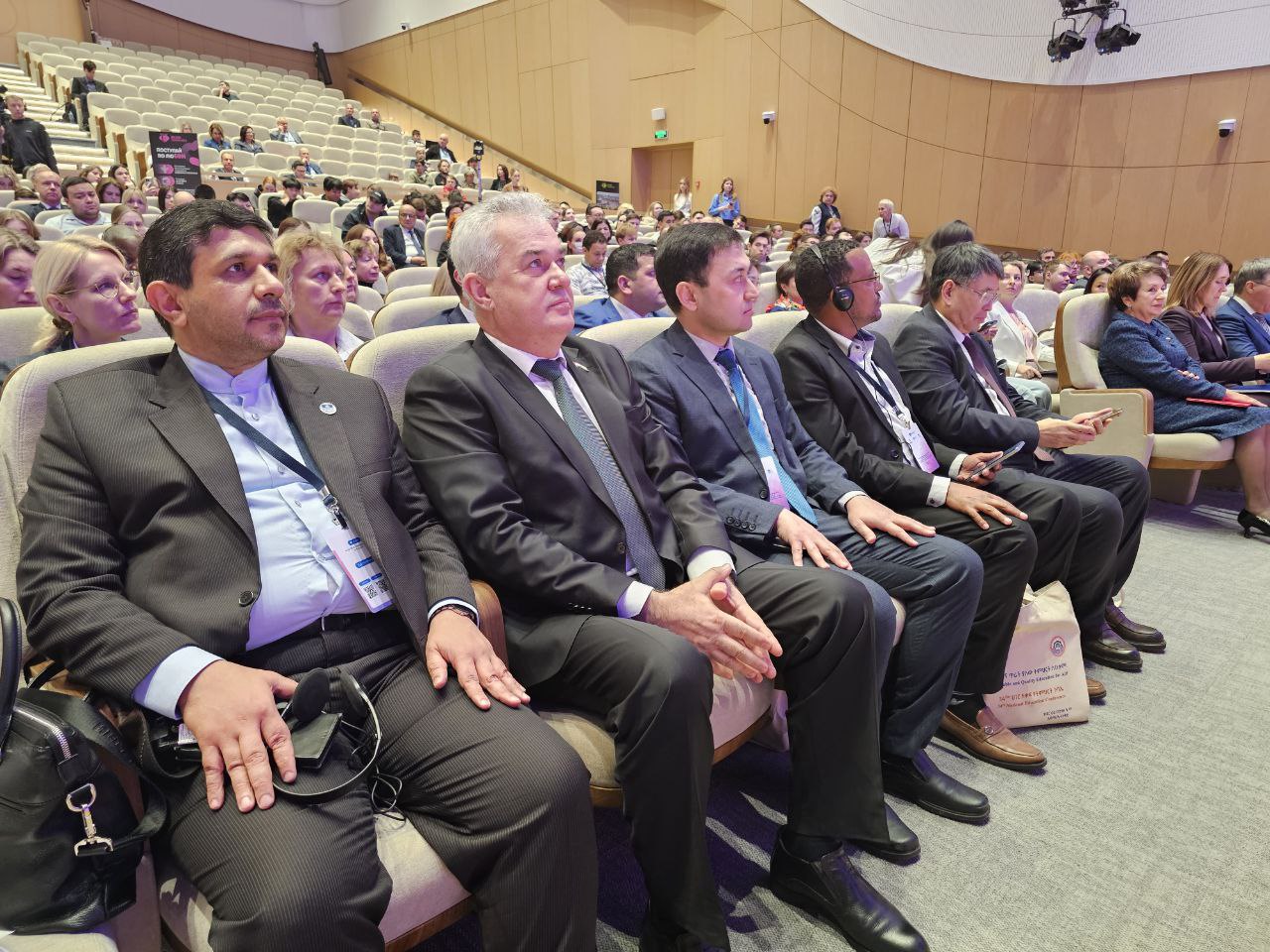
The conference was organized under the auspices of the Russian Ministry of Science and Higher Education, the Russian Commission for UNESCO, and the Patrice Lumumba Peoples' Friendship University of Russia. More than 500 representatives from 50 countries participated, including delegates from ministries, higher education institutions, and international organizations.

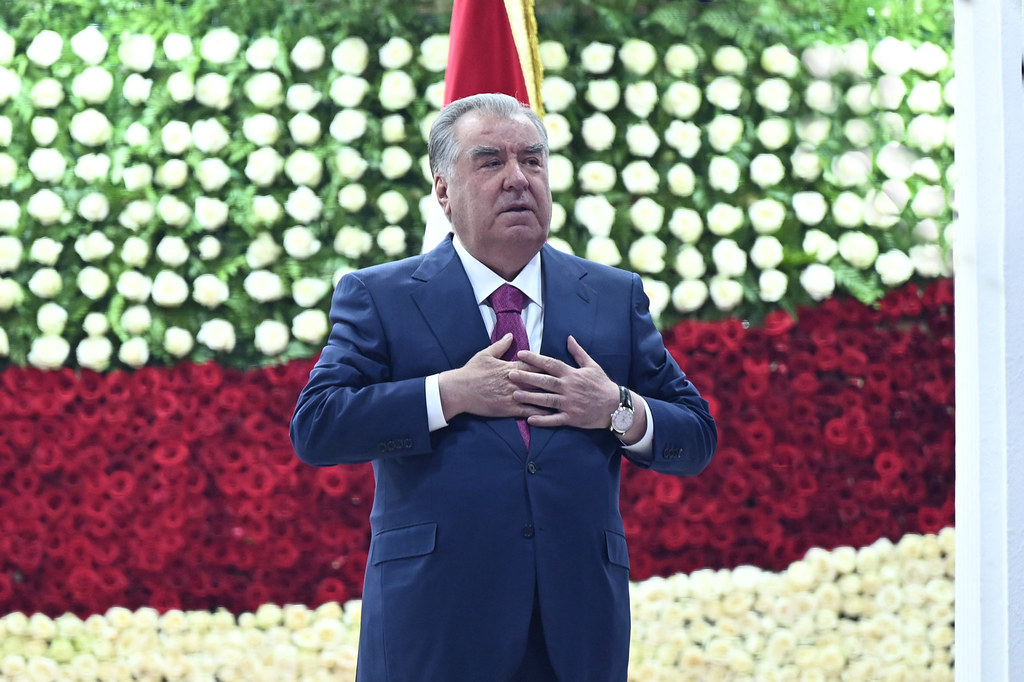
In his speech, Minister Rahim Saidzoda emphasized the importance of inclusive education as a key component of state education policy. He noted that the Republic of Tajikistan is taking all necessary measures to ensure equal access to education for all children, including those with special needs. The Minister also reiterated the ongoing support of President Emomali Rahmon, noting that thanks to his educational policy on inclusive education, all necessary measures have been implemented.
Conference participants presented their countries' experiences in developing inclusive education. The event allowed Tajikistan to present its position as a supporter of an equal and inclusive society on the international stage and share practical experience in this area with other countries.
Inclusive education in Tajikistan has a solid legislative foundation. Laws and regulations, including the Law on Education and the Law on Social Protection of Persons with Disabilities, ensure all children, including those with special needs, have the right to education and equal opportunities. A Government Resolution of the Republic of Tajikistan dated December 26, 2024, approved the "Concept of Inclusive Education in the Republic of Tajikistan until 2045," aimed at eliminating any form of discrimination and improving the educational environment. Currently, the country has four preschools and fifteen boarding schools for children with disabilities, serving over 3,000 students.
The main goal of the conference was to strengthen international cooperation in inclusive education, exchange experiences, coordinate research and educational efforts, and develop recommendations for improving support for students from vulnerable groups. Particular attention was paid to creating an inclusive educational environment for children with disabilities. The event provided participants with the opportunity to exchange best practices and identify new areas of collaboration for the development of inclusive education.