Translated with AI

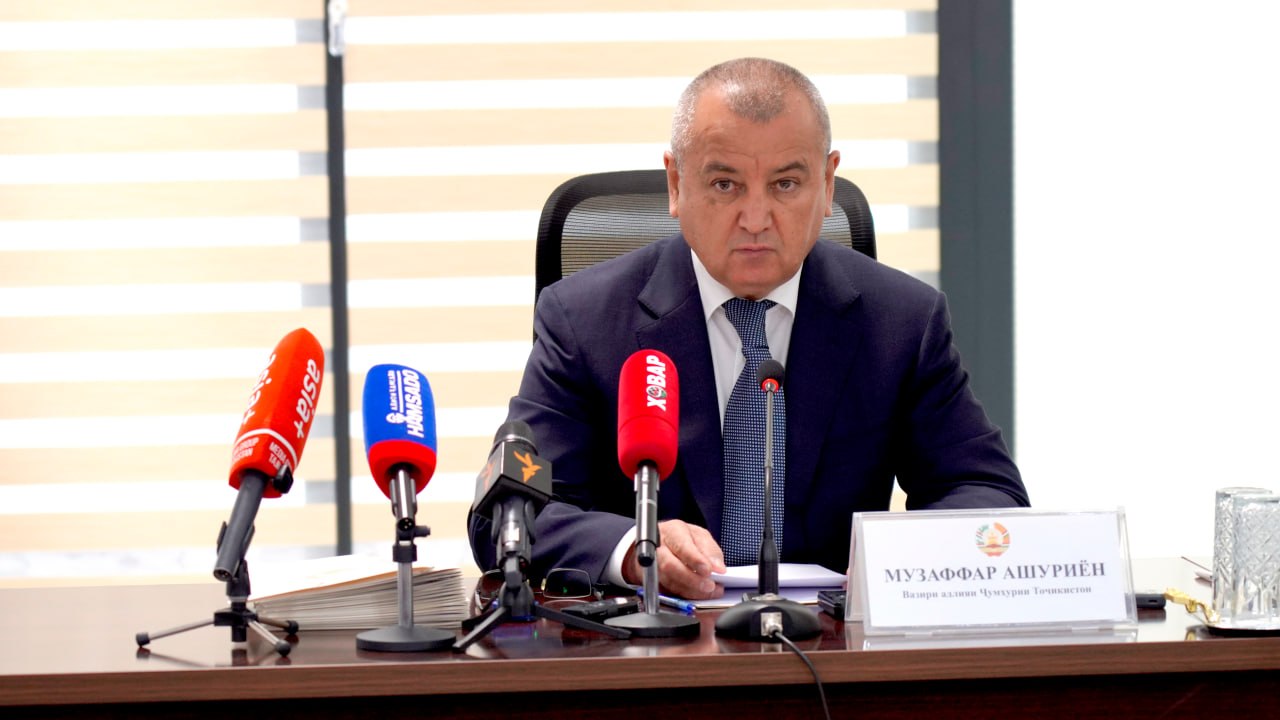
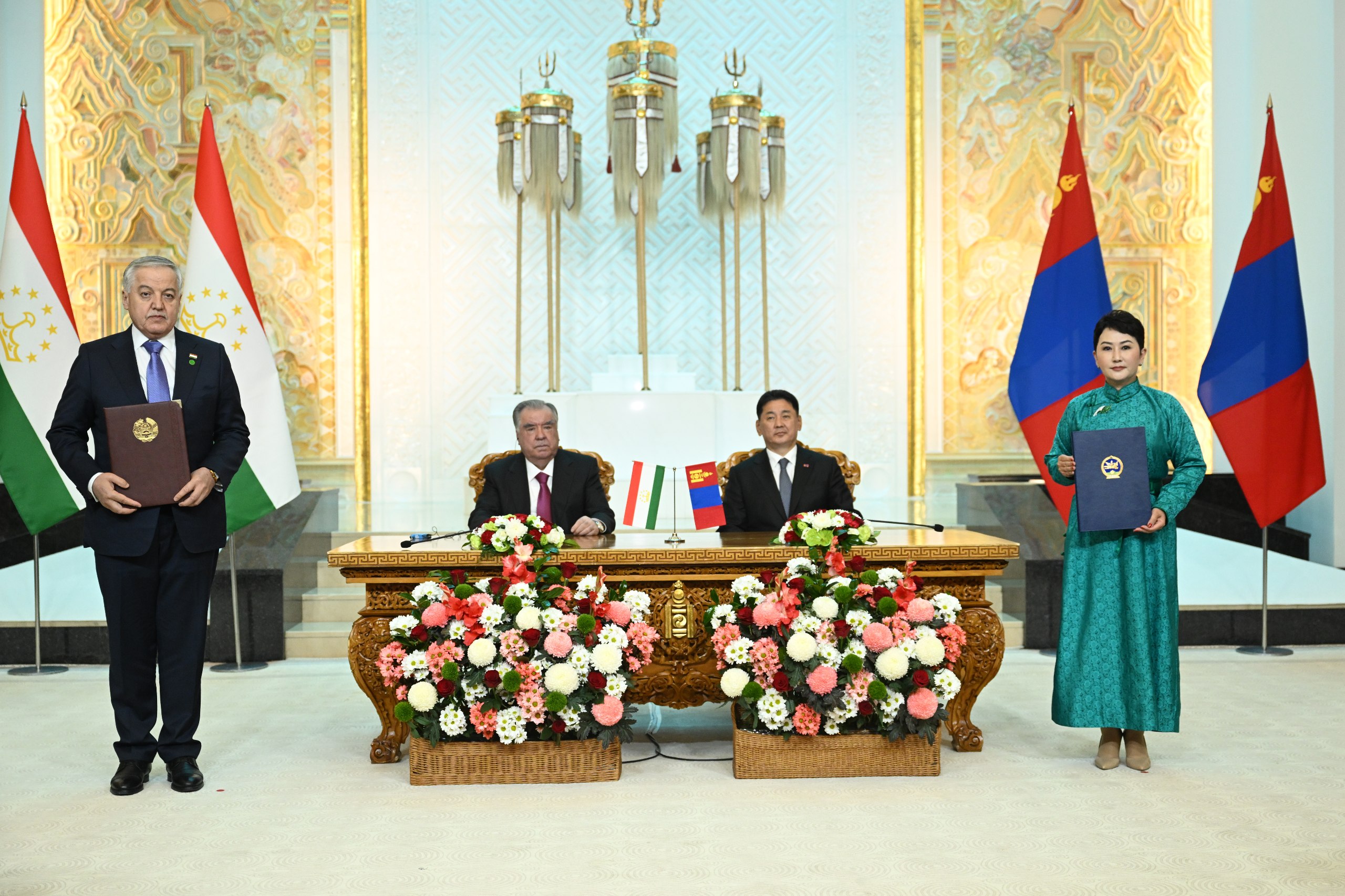







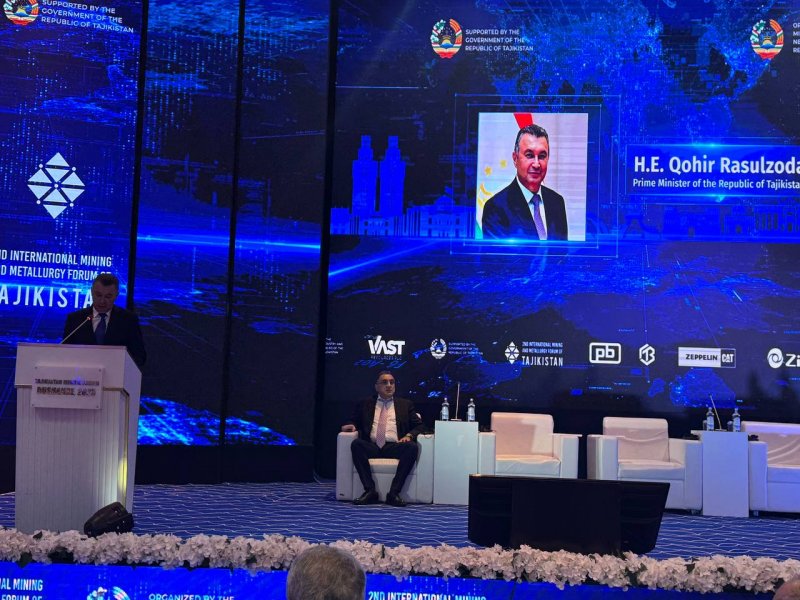
As the global economy transitions to green technologies, demand for critical minerals used in electronics, defense, aviation, automotive, telecommunications, and other strategic industries is growing annually. This was stated by Prime Minister of the Republic of Tajikistan Kokhir Rasulzoda during the Second International Mining and Metallurgical Forum of Tajikistan, according to a correspondent from NIAT Khovar.
According to him, Tajikistan has reserves of ten of the seventeen so-called "revolutionary" metals and minerals necessary for the transition to a green economy. International experts estimate the combined market value of these resources at over $800 billion annually by 2030.
"Tajikistan, with its rich reserves of mineral raw materials, can become a key partner for major global industrial enterprises that utilize such resources in their production," the Prime Minister emphasized.
According to the government, approximately 800 deposits of minerals and rare and precious metals have been identified in Tajikistan, including copper, silver, gold, lead, lithium, antimony, zinc, nickel, tungsten, mercury, strontium, vanadium, and other rare elements. Approximately 70 types of minerals are extracted from existing deposits.
Kokhir Rasulzoda noted that the extraction and processing of these resources is characterized by the use of "green" technologies, which meets key sustainable development requirements. As a result, these ore resources receive a "green certificate" and are exempt from the carbon tax introduced in several European countries. Examples of such enterprises include the Tajik Aluminum Company, the Zarafshan joint venture, which produces copper cathode, and Talco Gold CJSC.
The Prime Minister also emphasized the growing demand for lithium amid the growing number of electric vehicles. According to the International Energy Agency, their number could reach 40 million by 2040, with lithium demand reaching 2.5 million tons. The use of aluminum and lithium, which are available in the country, creates favorable conditions for cooperation with multinational companies, he noted.
"We are ready to develop cooperation in this area and expand our partnerships with global industrial enterprises," Rasulzoda added.