Translated with AI





























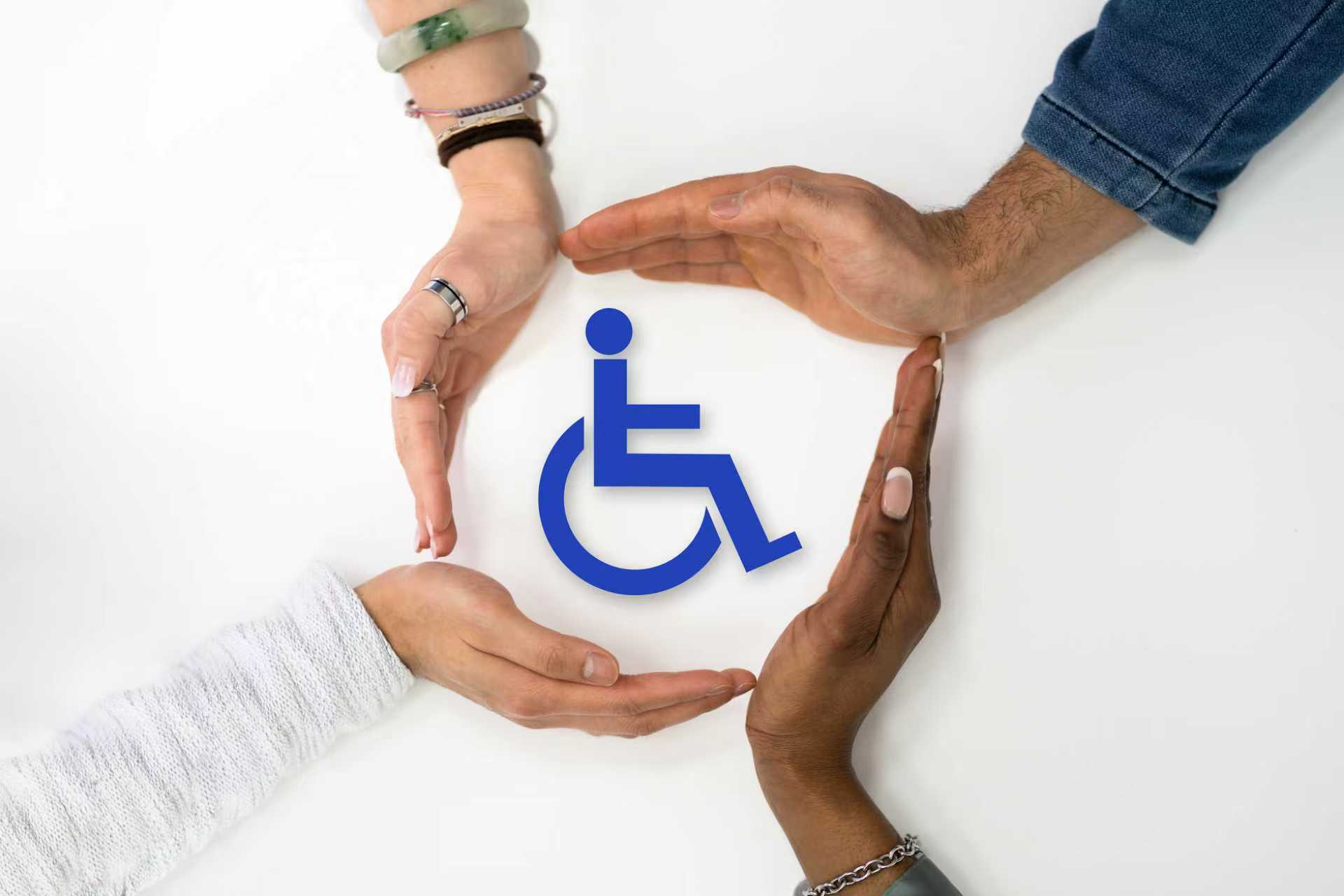
Today marks the 34th International Day of Persons with Disabilities. The task of completely eliminating barriers for people with disabilities and achieving their inclusive development remains urgent and important for the entire world. Currently, of the more than 1 billion people with disabilities worldwide (representing 15 percent of the global population), 80 percent live in developing countries, and approximately half of them are unable to afford medical expenses. As a representative of developing countries, China, by incorporating the protection of the rights and interests of its 85 million people with disabilities into the mainstream of national development, has proposed a practical solution to this global challenge. China's experience demonstrates that promoting the rights of people with disabilities is not only a domestic requirement for ensuring social justice but also a key indicator of a country's level of modernization and civilization.
China's achievements in this area have been made possible by the global transformation in the international community's perception of people with disabilities. Previously, the primary focus was on material assistance and medical rehabilitation, with people with disabilities viewed as passive recipients of assistance. Currently, under the guidance of the Convention on the Rights of Persons with Disabilities, the emphasis has shifted to ensuring equal rights, social integration, and independent decision-making for people with disabilities. China actively supports this global position. Chinese President Xi Jinping has stated, "People with disabilities are equal members of the great family of society and an important force in the development of human civilization," providing fundamental guidelines for further development. Guided by the concept of "equality, participation, and benefit sharing," China, through systemic legal measures such as the Law on Guarantees for Persons with Disabilities and the Law on the Creation of a Barrier-Free Environment, has created a model of cooperative governance between the government, society, and disabled people's organizations, translating this concept into practical actions to guarantee the rights of people with disabilities to participate in public life.
The development of support for people with disabilities in China was not achieved overnight; it is an ongoing process based on state strategy. Its starting point was the Eighth Five-Year Plan (1991-1995), when work to support people with disabilities was officially included in medium- and long-term national development planning. After decades of tireless efforts, by the end of the 13th Five-Year Plan (2016-2020), China had historically eliminated absolute poverty. This problem affected, among others, the 7.1 million registered people with disabilities.
With the entry into the 14th Five-Year Plan period (2021–2025), the focus shifted to comprehensively improving quality of life, which has yielded significant results: a total of 2.31 million new jobs for people with disabilities were created in urban and rural areas, the enrollment of children with disabilities in compulsory secondary education reached 97 percent, and the coverage of basic rehabilitation services exceeded 85 percent. At the same time, the coverage of special benefits intended for people with disabilities continued to expand. As of June 2025, these support measures, designed to benefit tens of millions of people, had already covered approximately 11.88 million people with disabilities in difficult life situations and 16.4 million people with severe disabilities.
Currently, building on a solid institutional foundation and the potential of technology, disability support in China is rapidly evolving toward greater precision, efficiency, and intelligence. This transformation is reflected in comprehensive efforts, from thoughtful human-centered design to the creation of systemic service support. For example, in some districts of Shenzhen, recessed access hatches for barrier-free movement on tactile tiles have been trialed; Zhuhai and Changsha have implemented a public transportation navigation system with ride-hailing and arrival notification functions; and the Beijing Subway has established a relay service to ensure seamless travel along its entire route. In the employment sector, the Ningxia Hui Autonomous Region has leveraged digital technologies to create new career paths, such as "cloud operator" and "data tagger," helping people with disabilities secure higher-quality jobs. Telemedicine and online education services effectively overcome geographic barriers, providing access to quality resources for people with disabilities in remote areas. Through the Precision Rehabilitation program, millions of people with disabilities received basic rehabilitation services, and the level of compulsory education coverage for children with disabilities reached 97 percent.
These Chinese-specific practices have not only improved the lives of large segments of people with disabilities but also accumulated valuable experience for the country's active participation in global disability governance. From promoting the adoption of the Beijing Declaration on the Promotion and Protection of the Rights of Persons with Disabilities (2000) and the ratification of the Marrakesh Treaty (2013) to promote accessible knowledge sharing, to initiating the groundbreaking "Artificial Intelligence for the Rights of Persons with Disabilities" initiative at the UN (2023), which combines technological development with the protection of human rights, China has consistently been a staunch supporter and active participant in global disability governance.
Through mechanisms such as South-South cooperation, China is transforming local experiences, including the principle of "mutual promotion of human rights and development," into practical cooperation projects, creating a valuable reference point for developing countries. Looking forward, we envision an era in which technology removes barriers, education becomes inclusive, and employment opportunities are accessible. Marking a new milestone beginning with the International Day of Persons with Disabilities in 2025, the exchange of practical experiences and cooperation between China and the international community in areas such as assistive technology and vocational training will contribute to creating more fulfilling and dignified lives for people with disabilities worldwide. A truly inclusive society is one in which every person is empowered to discover and realize their potential.
(CGTN: Tang Yingnan)