Translated with AI























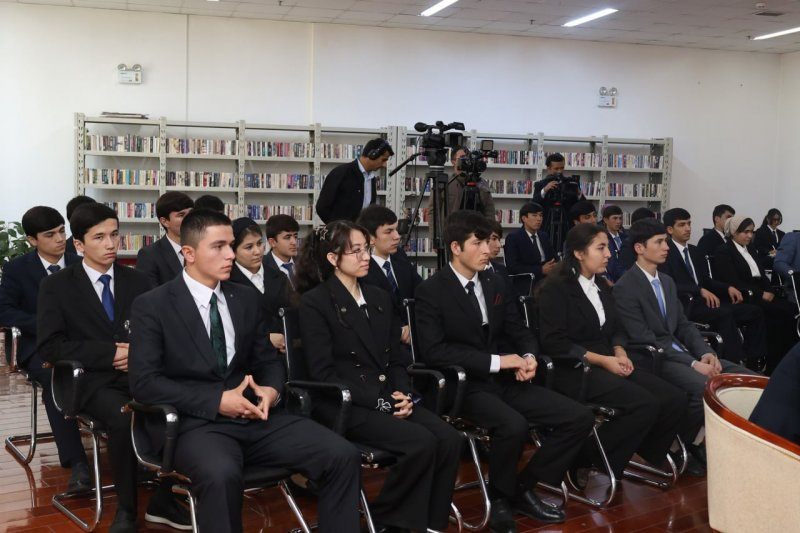
All participants of the Republican competition "The Radiance of Dawn's Wisdom – Book" who advance to the fourth round will receive certificates, according to the press center of the Ministry of Education and Science of the Republic of Tajikistan.
The certificate grants participants the right to enroll in higher education institutions in the humanities and pedagogical fields for three years, free of charge and without taking exams at the National Testing Center under the President of the Republic of Tajikistan. Thus, if participants are students in general education institutions (grades 9–11) or basic vocational education institutions (grades 10–11), they can enroll in universities in the country free of charge after graduation.
The document will be issued to 434 applicants from cities and districts of the republic, including 74 participants from the Gorno-Badakhshan Autonomous Region, 90 from the Sughd Region, 90 from the Khatlon Region, 90 from the Districts of Republican Subordination, and 90 participants from the city of Dushanbe, who reached the final stage of the competition.
The winners of the final round (first, second, third, and the Grand Prix) have the right to enroll in any higher education institution in the country in their chosen field, free of charge and without examinations. Pupils and students studying on a fee-paying basis who win first, second, third, or the Grand Prix at the national stage of the competition are transferred to tuition-free education.
The Republican competition "The Radiance of Dawn's Wisdom – Book" has been held for the seventh year in a row with the aim of raising interest in reading, strengthening intellectual potential, identifying talented new speakers and writers, promoting respect for national and cultural values, developing creativity, strengthening self-awareness, expanding vocabulary, and enriching the spiritual world of the population.
The competition embraces students from comprehensive schools, students from primary, secondary, and higher vocational education institutions, graduates from vocational institutions, teachers of all levels of education, scientific and literary workers from scientific, creative, cultural, and educational institutions, representatives of various professions, adults, and other segments of the country's population.