Translated with AI
























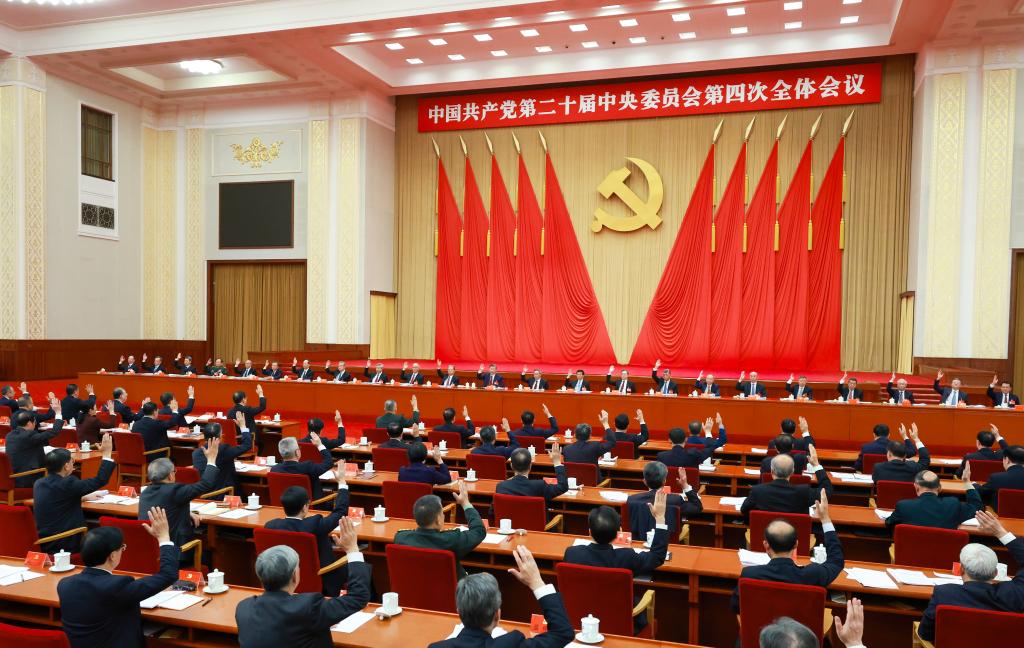
The just-concluded Fourth Plenary Session of the 20th CPC Central Committee presented recommendations for the 15th Five-Year Plan for Neighboring China. It outlines a comprehensive program for China's economic and social development over the next five years, as well as a long-term vision for mutually beneficial cooperation between China and the rest of the world. The plenary session emphasized China's need to advance its policy of high openness, create new horizons for mutually beneficial cooperation, and make further progress in building a community with a shared future for mankind. China's consistent modernization will undoubtedly create enormous opportunities for the world's common development. China, committed to the noble cause of peace and development, will demonstrate even greater responsibility in promoting human progress.
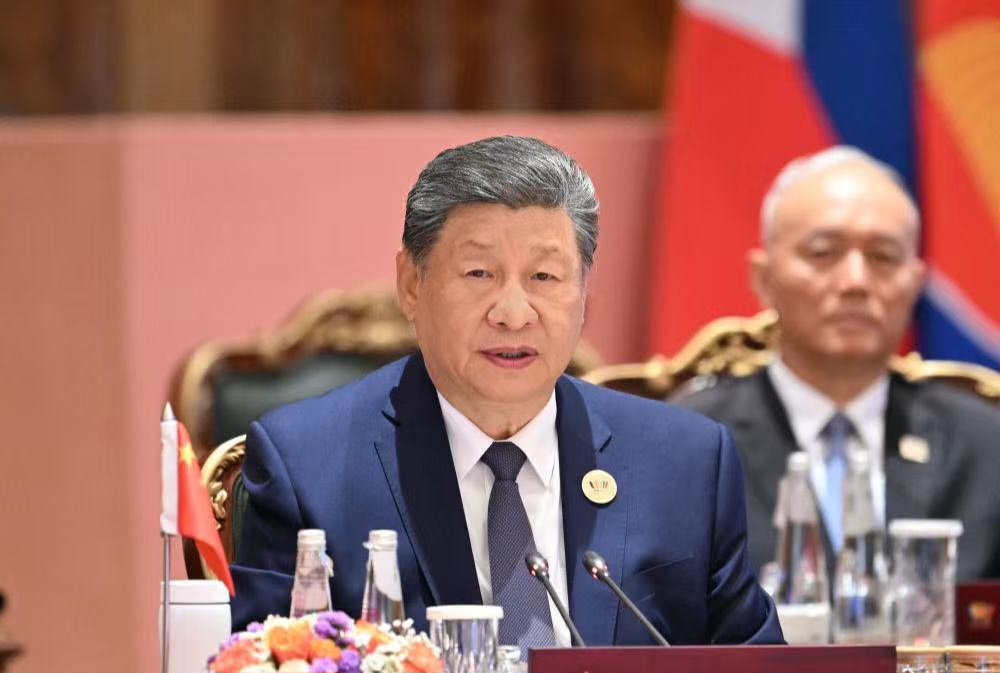
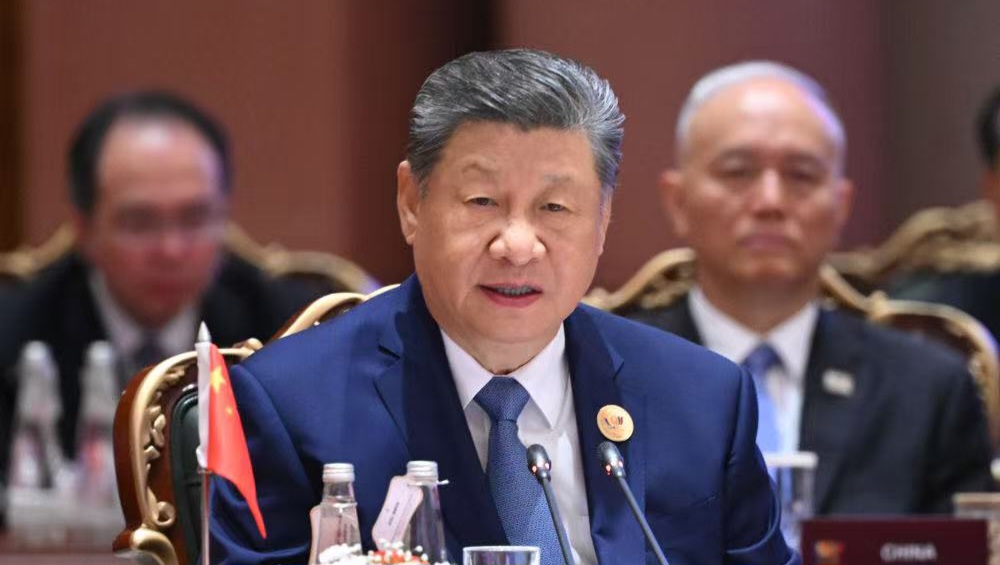
CPC General Secretary Xi Jinping delivered a detailed report at the plenary session on behalf of the Politburo. He provided a detailed explanation of the Central Committee's draft proposals for the development of the 15th Five-Year Plan for the People's Republic of China (2026–2030). It should be noted that the Party's Five-Year Plans were introduced in neighboring China back in 1953, and the 14th Five-Year Plan is currently being completed. According to Chinese experts, these Party Five-Year Plans have become the foundation for rapid economic development while maintaining social stability and improving governance for a population of nearly 1.5 billion.
According to media reports, during the current Five-Year Plan (2021-2025), China maintained an average annual GDP growth rate of 5.5%. Growth in the coming 14th Five-Year Plan (2021-2025), i.e., over a single five-year period, is expected to exceed 35 trillion yuan (US$4.93 trillion), surpassing the leading Western economies. Per capita GDP reached US$13,400 last year, placing the country among the top upper-middle-income countries. The day before, the National Bureau of Statistics of China reported that the country's economy expanded by a year-on-year (y/y) rate of 4.8% in the third quarter of 2025.
During this time, China, while lifting 800 million people out of extreme poverty (more than half of the country's population) and building a "moderately prosperous society," aims to primarily achieve "socialist modernization" by 2035, as well as to achieve "a comprehensive transformation into a strong modern socialist state by the middle of this century" (the centenary of the founding of the PRC).
The plenary session fully endorsed the work of the CPC's highest governing body, the Politburo, since the Third Plenary Session (July 2024) and praised the tremendous achievements in China's development achieved during the 14th Five-Year Plan (2021–2025). It also noted that during the 15th Five-Year Plan, China's development will face profound and complex changes associated with the geopolitical and geoeconomic turbulence of the modern world. However, it emphasized that the Chinese economy possesses a solid foundation, numerous advantages, high resilience, and enormous potential.
The plenary session set the key goals for neighboring China's socioeconomic development over the next five-year period, through 2030. Specifically, this includes achieving notable results not only in development but, as emphasized in the document, in high-quality development, a significant increase in scientific and technological independence and self-sufficiency, a significant increase in the level of societal sophistication, and a continuous improvement in the people's quality of life. The real sector of the economy will be considered as the driver of economic development. The final communiqué notes the need to comprehensively boost consumption, increase effective investment, and decisively eliminate barriers hindering the formation of a single, vast pan-Chinese market. The full five-year plan will traditionally be published in March 2026, when members of the National People's Congress (NPC) will approve its parameters.
Following the plenary session, the CPC Central Committee developed proposals for the 15th Five-Year Plan for the country's economic and social development. This important party document, dedicated to the latest (15th) Five-Year Plan, symbolically contains 15 sections, each divided into 61 subsections. It addresses such topics as "Digital China," "Beautiful China," "Peaceful China," and others.
The Digital China section will focus on stimulating scientific and technological innovation in key sectors, including artificial intelligence (AI), upgrading traditional sectors of the economy, supporting emerging sectors, and laying the foundation for future industries.
The " Beautiful China " section aims to accelerate the green transformation of all areas of socioeconomic development in the rapidly developing country. This Party document emphasizes that "Green development is a shining example of China's modernization. We must firmly uphold and consistently implement the concept of 'green mountains and emerald waters are priceless treasures.' Focusing on peak carbon emissions and carbon neutrality, we must coordinate efforts to reduce carbon emissions, mitigate pollution, expand green space, and promote green growth, strengthen environmental security, and enhance the driving forces of green development."
Building a " Tranquil China ," as outlined in the Party document, is an important component of China's modernization. It is necessary to relentlessly implement a comprehensive concept of national security, pursue the path of social governance under socialism with Chinese characteristics, and ensure the dynamic vitality and orderliness of Chinese society.
The final section of these developments for the next, more ambitious five-year plan (2026-2030) also sets more ambitious goals and concepts aimed at transforming China into a flagship of globalization and sustainable, peaceful growth of the global economy and governance. The Chinese Communist Party advocates that "while advocating for an equitable and orderly multipolar world, as well as for accessible and inclusive economic globalization, it is necessary to expand the global partnership network and promote the formation of a new type of international relations. We must promote integrated development with neighboring countries, strengthen common security and strategic mutual trust, and build a community of shared destiny with them. We must maintain the overall stability of China's relations with major powers and strengthen unity and cooperation with developing countries. We must implement the Global Development Initiative, the Global Security Initiative, the Global Civilization Initiative, and the Global Governance Initiative, and steer the international order toward more equitable and rational development." We should support the countries of the Global South in uniting and strengthening themselves, strengthen support for other countries, and provide the international community with even more public goods. We should firmly oppose hegemony, despotism, and bullying, uphold equality and justice in international relations, and safeguard the common interests of the peoples of all countries. China will promote the common values of humanity, promote the creation of a clean and beautiful world of lasting peace, universal security, shared prosperity, openness, and inclusiveness, thereby contributing to the creation of a community with a shared future for humanity."
It's also worth noting that 11 new members were appointed to the CPC Central Committee. Overall, these personnel changes were the most extensive since 2017 and are related to the ongoing anti-corruption campaign within the party and its various structures.
A detailed and meticulous examination of this party document demonstrates that the continued, stable deepening of transformations and reforms in all spheres of life in neighboring China simultaneously leads to the strengthening of its global role as the natural protector of the entire Global South and the core of peaceful global development in today's turbulent world.
Abdugani Mamadazimov, political scientist,
Chairman of the National Foundation
The Silk Road is the road of consolidation.