Translated with AI

































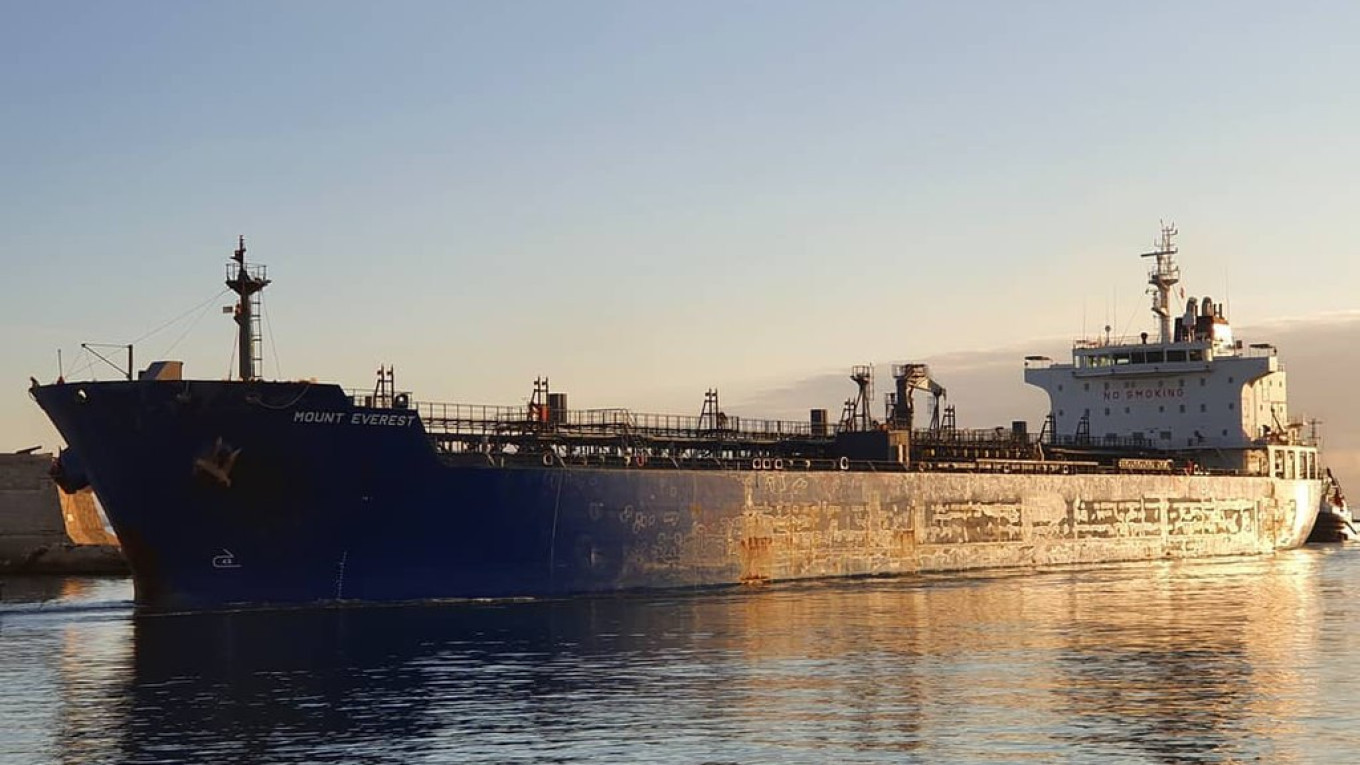
Greek tanker companies, which, according to the Brookings Institution, transport a third of Russian oil exported from Western ports, have begun refusing to work with Russian oil companies due to sanctions imposed by the Donald Trump administration, MT reports.
The participation of Greek shipowners, who exported between 10 and 20 million barrels of Russian oil each month this year, dropped to a minimum at the end of October, Reuters reported, citing sources familiar with the situation.
According to the agency's sources, Urals crude oil is currently being transported primarily by tankers from the shadow fleet. Meanwhile, freight rates have increased significantly since the sanctions were tightened. The cost of transporting a single Urals cargo from Primorsk and Ust-Luga to Indian ports exceeded $8 million, up from $7 million at the beginning of the month. Meanwhile, some carriers have hiked prices to $10 million per voyage, Reuters sources told Reuters.
Last Wednesday, US President Donald Trump imposed blocking sanctions against Rosneft and Lukoil, Russia's two largest oil companies, which account for half of the country's production and every other barrel of exports. Simultaneously, the European Union, as part of its 19th sanctions package, blacklisted another 117 tankers from the shadow fleet, bringing the total number to 558.
The "shadow fleet" transports approximately half of Russia's oil. The remainder is carried by tankers either owned by G7 countries or insured by Western countries, according to calculations by the Finnish center CREA.
First and foremost, these are Greek vessels, which are willing to carry Russian oil as long as the "price cap" principle is observed, notes Alexey Gromov, Chief Energy Officer at the Institute of Economics and Finance. Currently, this cap is $47.6 per barrel.
As a result of the sanctions, Rosneft and Lukoil are effectively prohibited from settling accounts in US dollars, and this is the main problem, Gromov points out : "India is bearing the brunt of the blow because we've long traded with China in national currencies—yuan and rubles—while we still haven't been able to find a solution with India for paying for Russian oil supplies in national currencies. We're not satisfied with India's terms for payment in rupees, so we trade primarily in US dollars and UAE dirhams."
Gromov points out that two other major Russian companies, Gazprom Neft and Surgutneftegaz, were previously subject to similar US sanctions. "And now they're almost entirely exporting to China," he says.