Translated with AI
































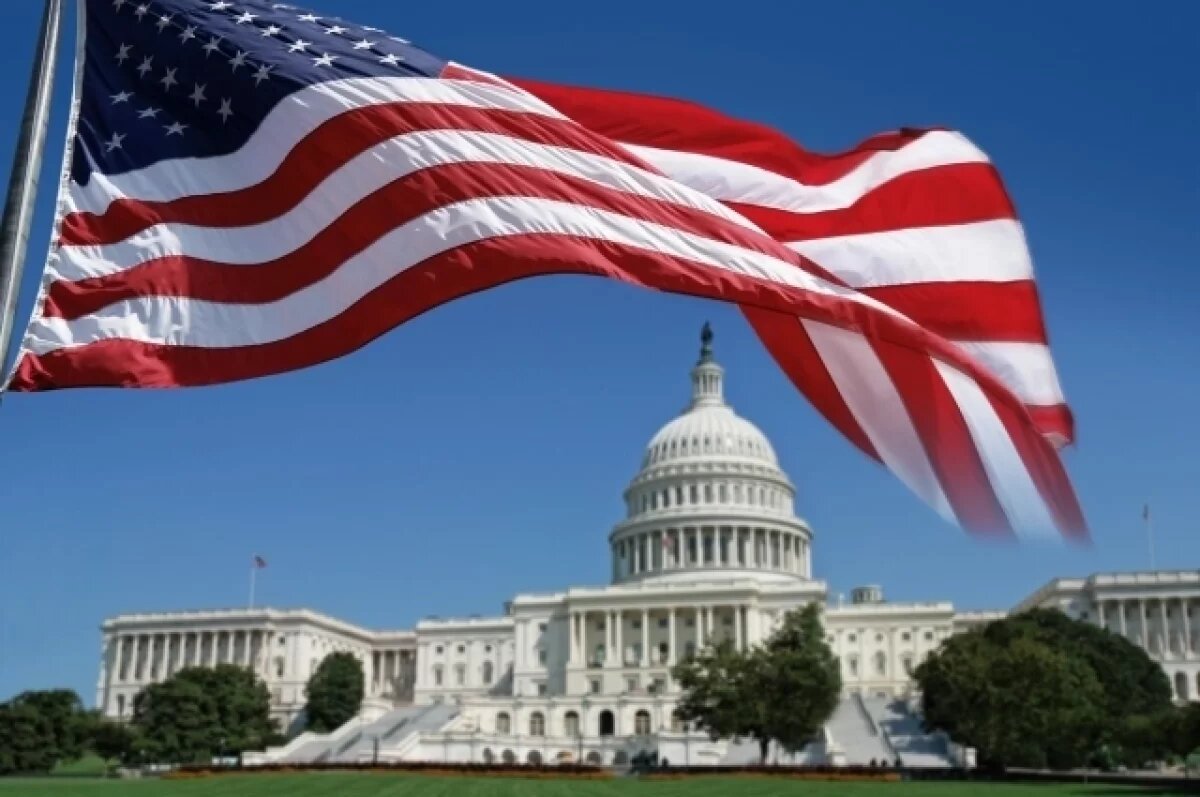
On Wednesday, starting at 12:00 a.m. Eastern Time (7:00 a.m. Moscow time), American government agencies suspended operations as Congress failed to agree on a bill to extend funding for their activities, Interfax reports.
The White House Office of Management and Budget has issued instructions to federal government agencies to begin implementing plans for temporary shutdowns due to a lack of funding.
Director Russell Vought wrote to federal agency heads: "As such, affected agencies must now implement their plans for an orderly closure."
Until Wednesday, the temporary funding law for federal agencies, passed in March and valid until September 30, was in effect in the United States. The House of Representatives had previously approved a bill extending the temporary funding until November 21, but the Senate failed to pass it the day before, leading to the shutdown.
The disagreement over approving the bill arose over increased subsidies under the Patient Protection and Affordable Care Act, better known as Obamacare, which was signed into law by former US President Barack Obama in 2010. Democrats in Congress want to maintain the payments increased during the COVID-19 pandemic, while Republicans, who control Congress, advocate reducing them to their original levels now that the pandemic has passed.
US President Donald Trump told reporters at the White House yesterday that a shutdown could lead to massive layoffs in the federal government.
"Democrats want work to stop. When there's a government shutdown, you have to make cuts, so we're going to lay off a lot of people," he said.
Meanwhile, in his opinion, "a lot of good things" could happen because of the shutdown.
"We can get rid of a lot of things that we don't want, and these are democratic things," the American leader emphasized.
In the United States, a government shutdown occurs when Congress fails to pass legislation to fund the federal government before the start of the next fiscal year, or when a temporary funding law expires.
During a government shutdown, the federal government suspends operations and performs only the most essential tasks. During such periods, only employees of critical agencies responsible for national security, protecting human life, or protecting property, such as the military, the National Weather Service, air traffic control, and correctional facilities, continue to work.