Translated with AI























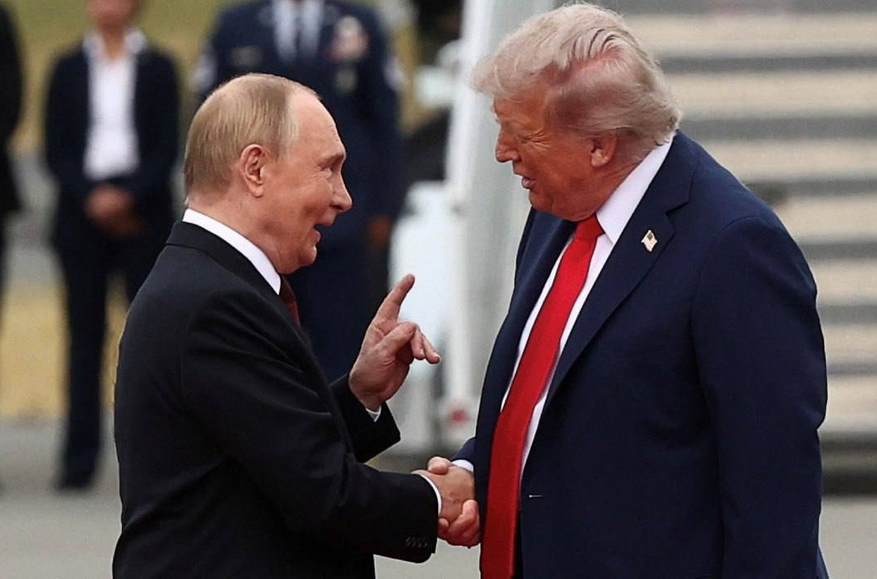
European leaders have expressed their readiness to support US President Donald Trump's efforts to organize peace talks between Russia and Ukraine, although they express doubts about Russian President Vladimir Putin's intention to end the armed conflict, Politico reported, citing European diplomats.
According to the publication's sources, Europe's position is based on two considerations. If the American initiative succeeds, it will lead to a cessation of hostilities. Otherwise, the Europeans believe, it will become clear that Moscow is the main obstacle to peace, making it easier for Trump to justify tightening sanctions against Russia.
Ahead of his trip to Washington, French President Emmanuel Macron noted that he doesn't believe Putin desires peace. "Do I believe President Putin wants peace? The answer is no. That's my deepest conviction. Do I believe President Trump wants peace? Yes," the French leader said. He added that Moscow is seeking not a settlement, but Kyiv's capitulation.
European diplomats participating in the European Council teleconference on Tuesday confirmed their agreement with Macron. One emphasized: "If we find ourselves in a situation where Putin proves he doesn't want to end the war, that will force Trump to act and strengthen the case for sanctions."
At the same time, European countries are prepared to support US peace initiatives not because they expect quick progress, but to conduct a "clear test of Russia's intentions." At the same time, they believe that the security guarantees being developed will allow Kyiv to negotiate "from a position of strength," while economic restrictions will preserve the West's "leverage of pressure on Putin."
According to Politico , in recent days, Trump and US Secretary of State Marco Rubio have been actively discussing a Washington-brokered meeting between Vladimir Putin and Volodymyr Zelenskyy. The summit was expected to take place within the next two to three weeks. However, Russian presidential aide Yuri Ushakov stated that Moscow is only willing to "explore the possibility of raising the level of representatives" in the negotiations. Russian Foreign Minister Sergey Lavrov noted that preparations for such meetings should proceed gradually, from the expert level to a summit.
AFP sources clarified that Putin proposed holding the meeting in Moscow during a phone call with Trump, but Zelensky rejected this option.
According to the publication, European leaders insisted at the White House on the need to impose new sanctions against Russia if Moscow refuses to cease military action. Trump himself has repeatedly threatened tough measures and set deadlines for the Kremlin, but no practical steps have been taken so far. Europe believes that Putin agreed to consider the proposal for negotiations, in part due to Trump's threat to increase tariffs on imports from India, which purchases approximately 40% of Russia's oil, from 25% to 50%.
According to European sources, these threats, as well as EU sanctions, led to a three-fold reduction in Russian oil supplies to India in August compared to average purchase volumes in 2025.