Translated with AI


















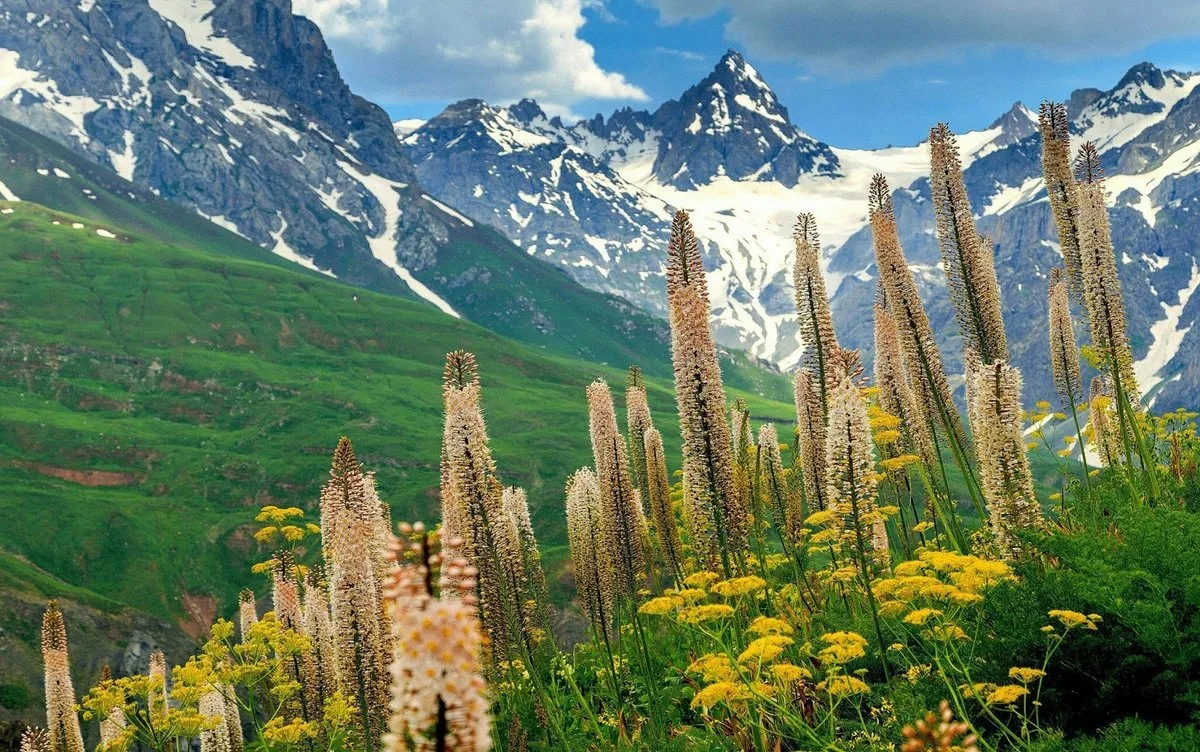
In Tajikistan, traditional medicine is closely linked to the country's rich agrobiodiversity, home to dozens of medicinal plants, including ferula, licorice, and sea buckthorn. These plants are widely used in food, beverages, and folk remedies, and knowledge about them is passed down from generation to generation, according to the press service of the Food and Agriculture Organization of the United Nations (FAO).
In the small village of Gulrez in the east of the country, residents turn to local healers when they feel ill, rather than going straight to city hospitals. Among them is 39-year-old Jamolov Makhmadali, who uses natural remedies to treat ailments, primarily plants from the surrounding mountains.
Mahmadali learned his knowledge from his father, who studied with a renowned healer in the region. "I grew up next to my father, watching him mix oils, grind leaves, and give advice to his neighbors," he says.
However, Tajikistan's agrobiodiversity is under threat from climate change, deforestation, overgrazing, and land-use change, leading to plant extinctions. At the same time, younger generations are losing interest in traditional culture, leading to the loss of unique knowledge.
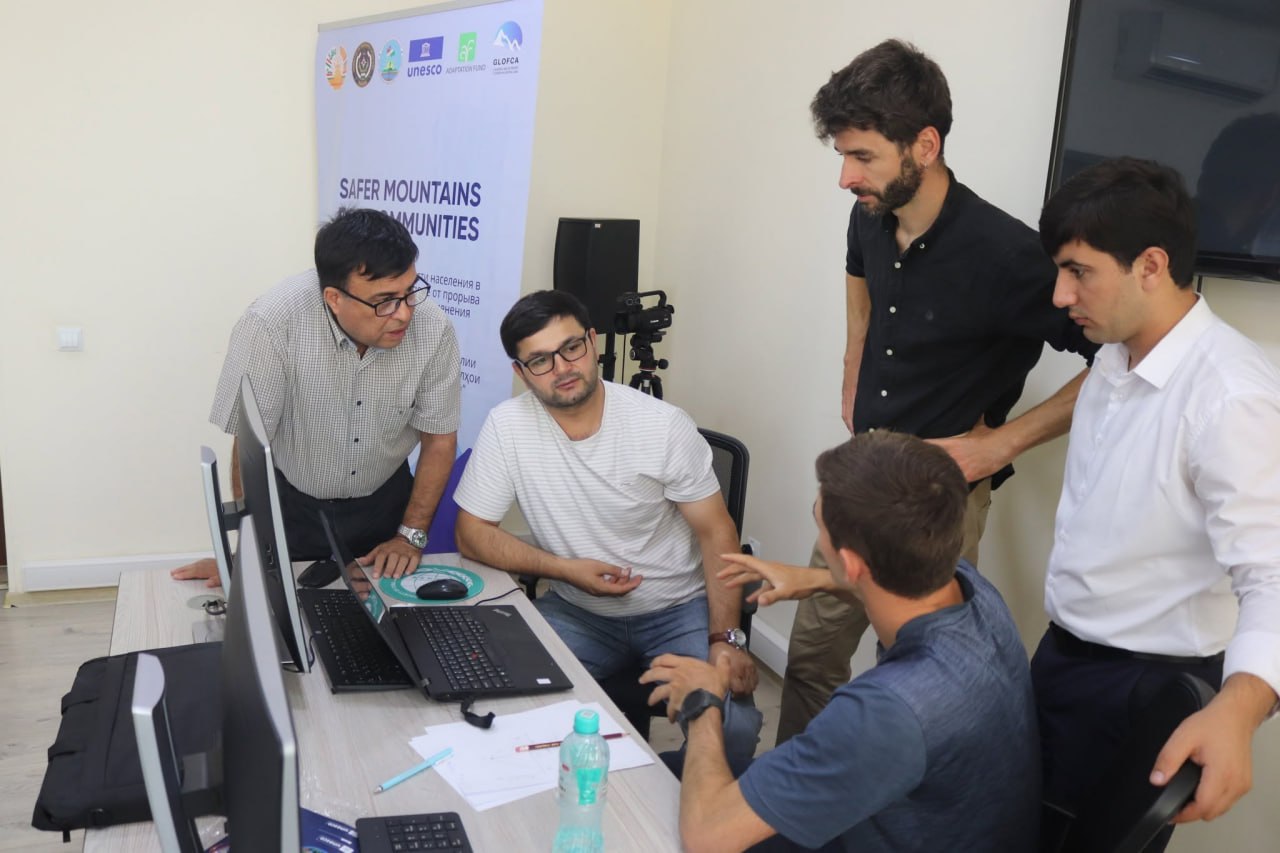
FAO, with support from the Global Environment Facility (GEF), works with local communities to conserve biodiversity and traditional medicine.
Mahmadali solidified his knowledge in 2015, completing a six-month course in traditional medicine at a Dushanbe medical center and receiving a license from the Ministry of Health to officially practice. However, the work was physically demanding. "Cutting, drying, and chopping took too much time. I couldn't always help people quickly," he says.
In 2023, Mahmadali received training in safe methods for harvesting, drying, and storing plants. FAO provided equipment—an herb grinder, an oil press, and tools for planting and fieldwork—which significantly reduced the workload and improved the quality of the medicines. "With these new tools, I can do in hours what used to take days," the healer notes.
Today, Mahmadali sees 10-15 patients a week, including residents of neighboring villages. He carefully selects herbs for each patient, using wild cloves and chi-boy, which he says helps purify the blood.
FAO also promotes the use of local plants to improve nutrition and creates opportunities to protect and transmit traditional knowledge. "Tajikistan is home to valuable crop varieties and their wild relatives. Communities like the Mahmadali community are helping to conserve biodiversity and improve diets," notes FAO agricultural specialist Caroline Starr.
Mahmadali passes on her knowledge to her children, despite the waning interest of young people in traditional medicine. "If we protect these plants and pass on this knowledge, our communities will be able to remain healthy for generations," the healer says.