Translated with AI

















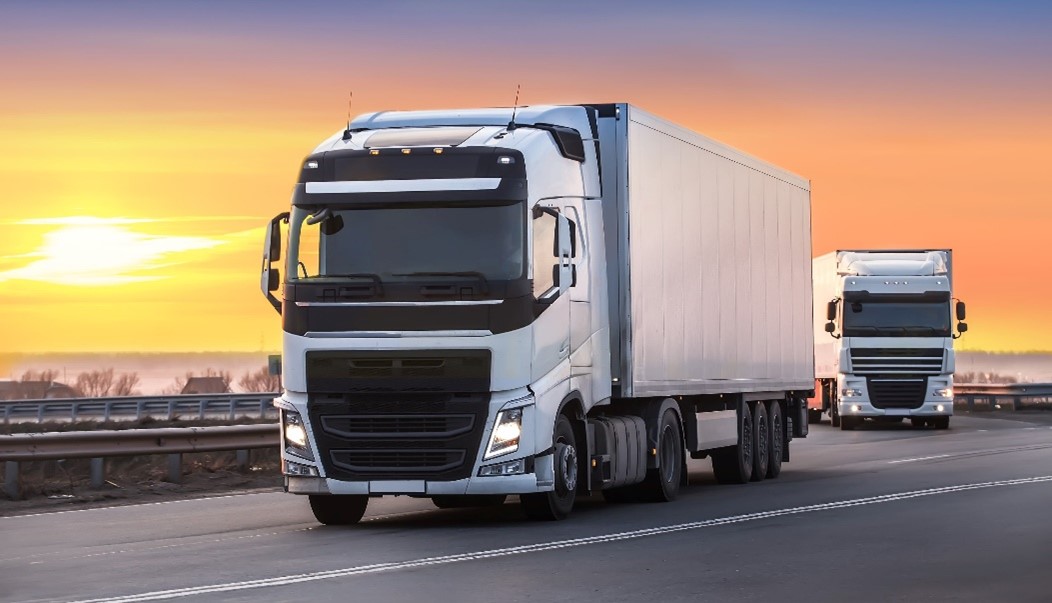
Road transport remains a key component of Tajikistan's freight turnover, accounting for 94.6% of all freight shipments. These figures were published by the Presidential Agency of Statistics.
According to the agency, 66.7 million tons of freight were transported by all modes of transport in the first six months of 2025, a 9.3% increase compared to the same period last year. Of this volume, 63 million tons were delivered by road transport—state, departmental, and private.
In the first half of the year, 3.6 million tons of freight were transported by rail, which is 12.4% higher than the figure for January–June 2024.
The country's economic indicators also demonstrate growth: the gross domestic product from January to June amounted to 70.8 billion somoni (approximately $7.5 billion), with inflation at 1.8%. Foreign trade turnover exceeded 33 billion somoni (approximately $3.5 billion). Trade with CIS countries reached $2.1 billion, an increase of 4.6% year-on-year.
According to experts, the country's geographic location and landlocked nature explain the dominance of road transport. International road transport plays a key role in supporting the export of products—cotton, fruits, vegetables, textiles, and minerals—as well as the import of technology and consumer goods.
Makhfirat Negmatulloeva, Coordinator of the Land and Multimodal Transportation Department at Dunyo Cargo, emphasized that road transport is "an integral part of the logistics chain connecting producers and consumers."
Globally, according to experts, maritime transport is the leading mode, accounting for over 60% of cargo turnover. However, road transport is known as the "king of the last mile"—it ensures the delivery of goods over short and medium distances, including the final stage of logistics.