Translated with AI
























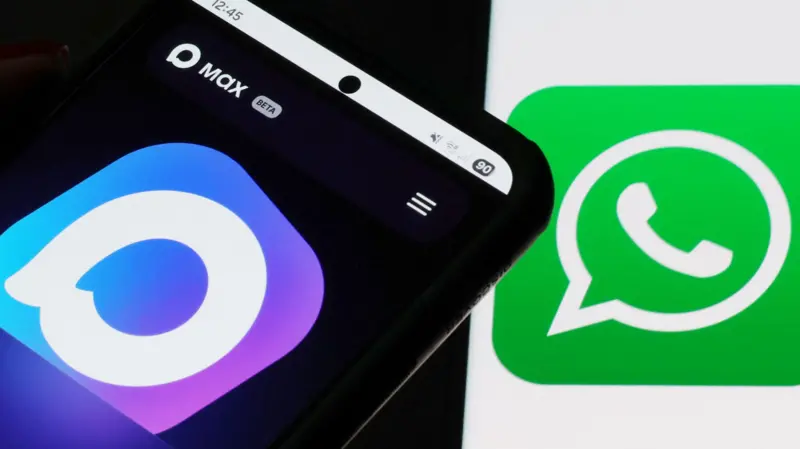
Roskomnadzor announced that Russia is "taking measures to partially restrict calls" on Telegram and WhatsApp. The agency explained the "partial blocking" of calls on these messaging apps as a means to combat fraud, the BBC reports.
"According to law enforcement agencies and numerous citizen complaints, the foreign messengers Telegram and WhatsApp have become the primary voice services used to defraud and extort money, and to lure Russian citizens into sabotage and terrorist activities," RBK quotes the agency's press service as saying.
Since the end of last week, voice calls and even regular messaging have been working intermittently for Russian Telegram and WhatsApp users.
The Telegram messenger's press service previously told the BBC Russian Service that the app was functioning properly, and that "any connection issues users are experiencing are not the result of technical issues with Telegram."
Problems with messaging apps were observed back in late June and early July. According to a Kommersant newspaper source in the telecoms market, authorities began selectively testing call blocking on messaging apps on August 1.
In December, Kommersant, citing sources, reported that the government was discussing ideas for completely blocking voice calls in apps and banning calls from abroad.
A market source explained to The Bell that operators are concerned about the growing volume of WhatsApp calls. These calls are impossible to monitor (the traffic is encrypted) and offer little revenue (the calls are made over the internet, which is much cheaper than voice traffic).
Forbes magazine, citing sources, and TV presenter Ksenia Sobchak reported that in the spring, the Big Four operators (MTS, MegaFon, Beeline, and Tele2) proposed that the Ministry of Digital Development block users from making calls on foreign messaging apps.
Last fall, Roskomnadzor head Andrey Lipov claimed that measures against messaging calls were supposedly necessary to protect Russians from telephone scammers. After the war in Ukraine began, scammers not only stole money from bank accounts but also began persuading Russians to set fire to military recruitment offices, spray ballot boxes with green paint, and commit other similar acts.
However, as journalist Andrei Zakharov (listed as a "foreign agent") notes, according to a survey conducted by the Central Bank of the Russian Federation, in 2024, scammers primarily contacted potential victims by phone (45.6%). Messengers were only second, at 15%.
Russian authorities also explain their actions by the fact that Telegram and WhatsApp do not comply with the "landing" law, meaning they do not store user data in Russia.
Experts note that in this way, the authorities are likely forcing Russian residents to switch to the Max messenger, which the Russian government selected as its "national messenger" in July.
The Russian service's privacy policy explicitly states that the Max messenger not only collects certain data but also reserves the right to transfer it to third parties and government agencies.
As technical experts note, voice calls in messengers are usually almost impossible to eavesdrop on, but access to correspondence is much easier.
Following Roskomnadzor's announcement of restrictions on Telegram and WhatsApp, the Ministry of Digital Development, Communications, and Mass Media also issued a statement. The ministry stated that access to calls on these messaging apps would be restored if they complied with Russian law.