Translated with AI































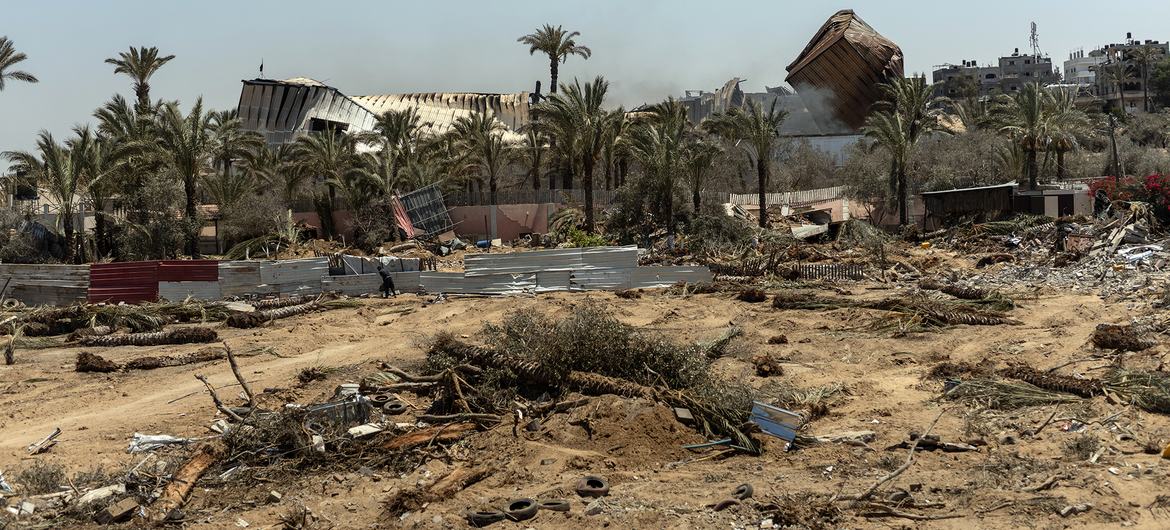
Gaza's medical facilities are on the brink of total collapse due to the constant flow of wounded and seriously ill patients, according to the UN Office for the Coordination of Humanitarian Affairs (OCHA). Meanwhile, UN humanitarian workers continue to warn of critical food shortages in the enclave.
According to OCHA, on average, approximately eight mass casualty incidents are registered daily in Gaza Strip hospitals. Healthcare workers are under enormous strain, and specialized rehabilitation facilities are working at full capacity, treating patients with severe injuries and the rare autoimmune disease Guillain-Barré syndrome.
According to local health authorities, approximately 64 cases of Guillain-Barré syndrome have been registered in Gaza since the conflict began in October 2023, with three confirmed deaths, including two children. Guillain-Barré syndrome is a rare autoimmune disease that causes progressive muscular paralysis and has previously been reported in Gaza only sporadically.
The World Health Organization (WHO) notes that about 30 percent of patients with the disease require intensive care, but the sector lacks supplies of the vital drug intravenous immunoglobulin.
The situation was exacerbated by the destruction of the WHO's main medical warehouse in Deir el-Balah in a rocket attack in late July. This led to a shortage of antibiotics, complicating the treatment of diseases such as meningitis, which has reached hundreds of cases. To prevent the spread of infection, hospitals have introduced isolation measures for suspected patients.
In addition to medical needs, UN humanitarian agencies are reporting severe food shortages in the Gaza Strip. The World Food Programme (WFP) is calling for large-scale aid deliveries, noting that the current levels allowed by Israeli authorities are woefully inadequate.
The World Food Programme (WFP) is reporting record levels of acute malnutrition among children in the enclave. In June and July 2025, severe acute malnutrition was diagnosed in 18 percent of all children with the condition, a significant increase from previous months. WFP Executive Director Cindy McCain stated that "500,000 people are hungry right now," and the only solution is to ensure food delivery by land on a large scale.
Since the conflict began, Gaza has also seen outbreaks of infectious diseases, including polio, cholera, hepatitis A and scabies, further complicating the situation.