Translated with AI































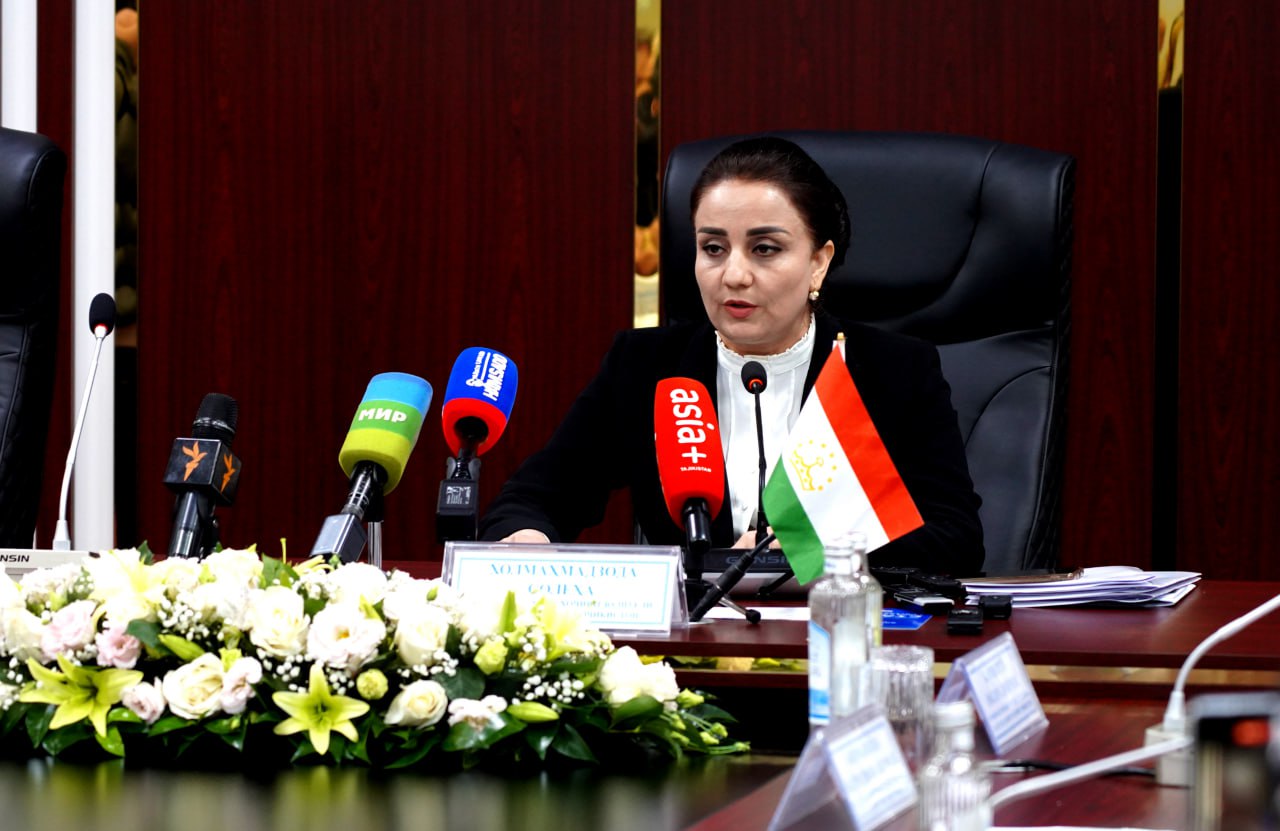
The implementation of state strategies and programs in the field of labor, migration and employment of the population contributed to a sustainable increase in the standard and quality of life of citizens of Tajikistan. This was announced today, July 30, at a press conference in Dushanbe by the Minister of Labor, Migration and Employment of the Republic of Tajikistan Solekha Kholmahmadzoda
According to the agency, as of June 1, 2025, the average salary in the country was 2665.9 somoni, which is 519.9 somoni (or 24.2%) more than the same period in 2024.

In terms of industry, the average salary was: in education – 2441.92 somoni, healthcare and social services – 1951.61 somoni, culture and sports – 2305.33 somoni, public administration and social insurance – 2275.67 somoni.
In regional terms, the average salary of hired workers was:
in the Gorno-Badakhshan Autonomous Region – 2333.7 somoni (+503 somoni or 27.4%),
in the Sughd region – 2529.4 somoni (+552.7 somoni or 27.9%),
in Khatlon region – 2191.9 somoni (+478.7 somoni or 15.7%),
in the Republican subordinate areas – 2282.8 somoni (+500.5 somoni or 28%).
As of June 1, 2025, 50 regional and industry agreements for 2024–2026 had been signed and registered. There are 35,489 enterprises, institutions, and organizations operating in the republic, of which 18,952 have the right to conclude collective agreements. As of the beginning of June, the number of registered collective agreements was 17,137, or 90.4% of the possible number. 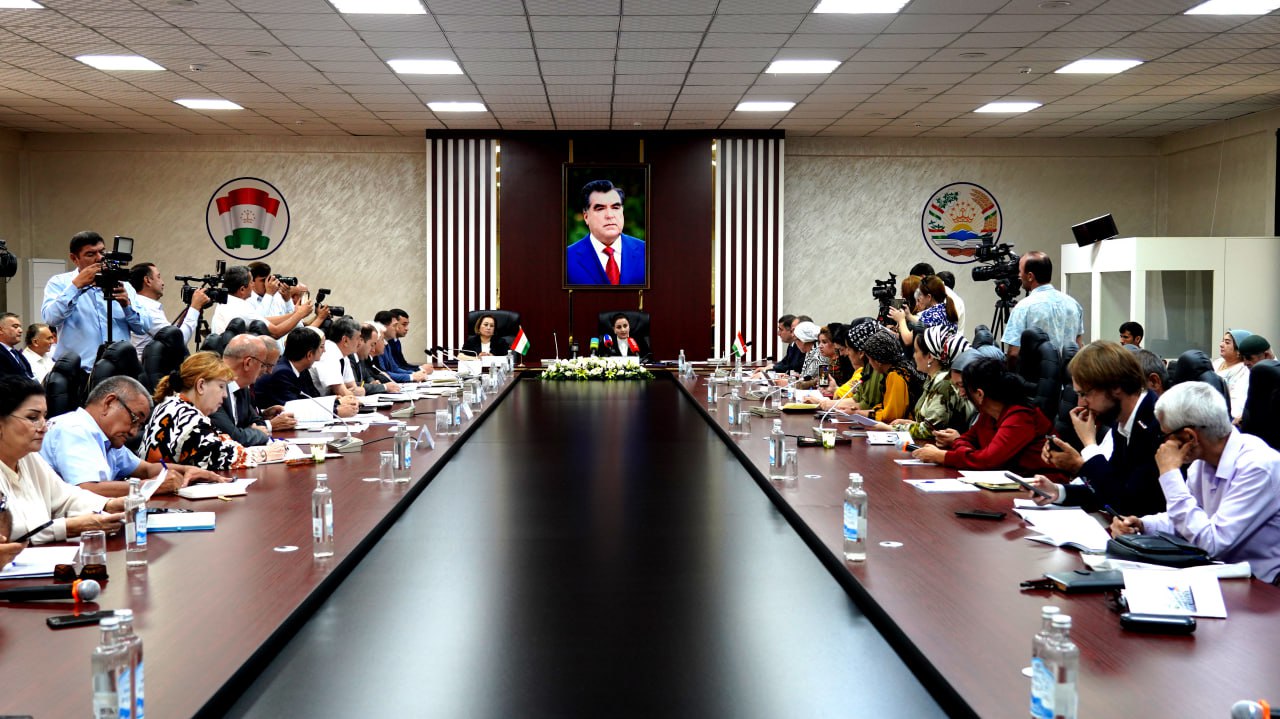
In order to monitor compliance with labor legislation, 998 business entities were inspected in the first half of 2025, including 908 scheduled and 90 unscheduled. As a result of the inspections, 5,182 violations were identified, including: 3,853 on labor rights issues, 1,056 on labor protection and compliance with standards, 243 in the area of employment, and 30 on migration legislation.
The Ministry continues to work to strengthen labor guarantees, social protection of workers and create favorable conditions for improving the standard of living of the population.