Translated with AI
























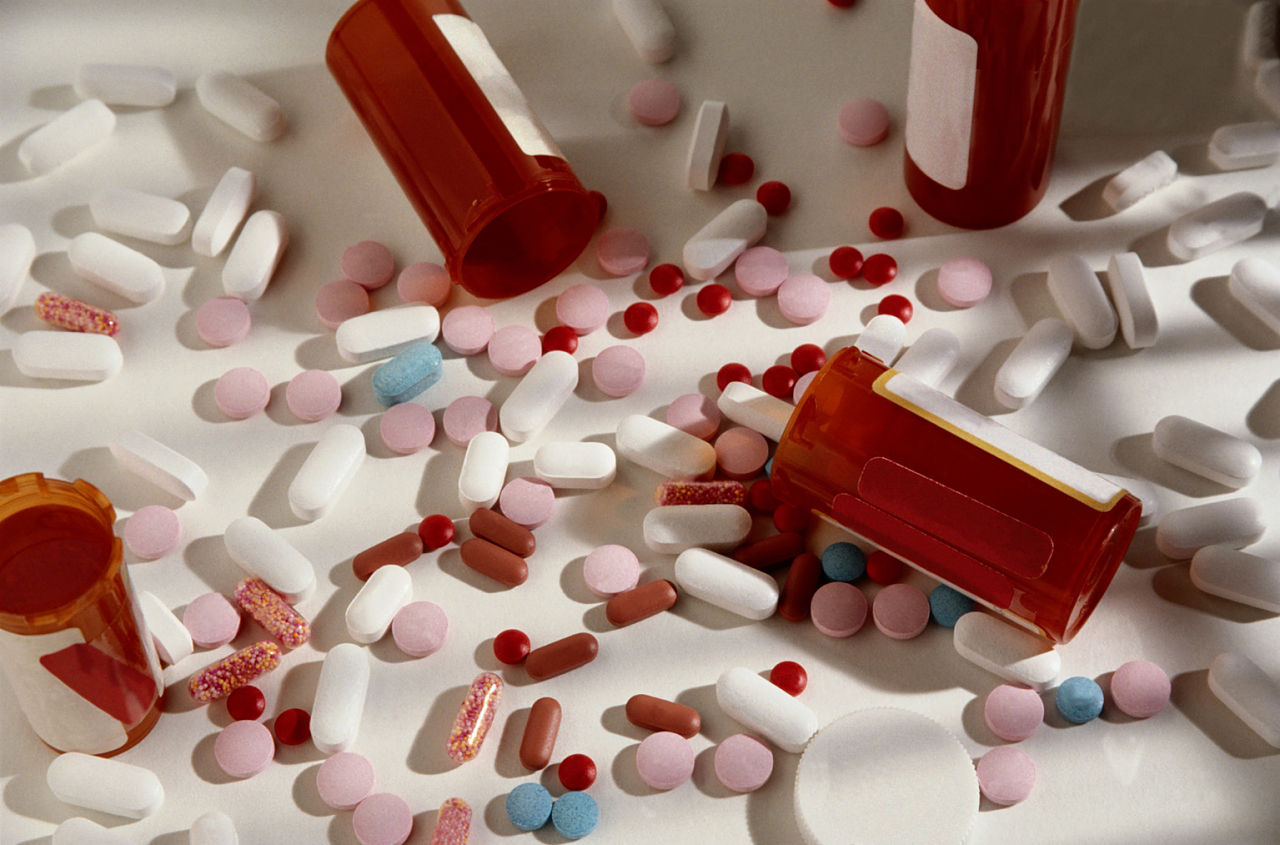
The World Health Organization (WHO) and the United Nations Office on Drugs and Crime (UNODC) have published a joint report on a systemic threat to public health, especially for children: the contamination of medicines with toxic industrial chemicals, in particular diethylene glycol (DEG) and ethylene glycol (EG). These substances, used in the production of antifreeze and solvents, end up in medicines instead of safe pharmaceutical ingredients. The consequences are hundreds of preventable deaths, mainly among children, the UN press service reported.
Such tragedies are not a series of isolated incidents, but reflect a systemic crisis – a lack of control over the supply chains of excipients that form the basis of most liquid forms of drugs, a new report says.
The scale of the problem
The document lists cases of mass poisoning with such substances around the world since 1937. Over 90 years, at least 25 incidents have been documented, resulting in more than 1,300 deaths.
Since 2022 alone, WHO has issued nine global alerts on medical products. Four of these have resulted in severe consequences: more than 300 deaths, including 200 in Indonesia, 68 in Uzbekistan, and 66 in Gambia.
Case in Uzbekistan
One of the tragic incidents occurred in late 2022 in Samarkand. Doctors raised the alarm after noticing a sharp increase in the number of children with symptoms of acute renal failure. An investigation revealed that two painkiller and antipyretic syrups imported from India were contaminated with ethylene glycol or diethylene glycol. In January 2023, WHO issued Alert No. 1/2023 on 21 batches of these medicines.
The poisoning killed 68 people, most of them children. It was one of the largest recorded incidents of DEG/EG contamination of medicines in recent years. Uzbek authorities found that a distributor representing the interests of the manufacturer paid bribes to officials and health workers to speed up the registration, promotion and sales of these drugs. In particular, one official was given a bribe of $33,000 in order to avoid inspection of the products.
Supply chain vulnerabilities
The report highlights that the main threat lies in the fragile and poorly regulated international supply chain for pharmaceutical excipients. Contamination of medicines is often the result of deliberate criminal acts. Organized crime groups exploit market instability and weak regulations by falsifying documents, substituting raw materials, and using digital platforms to distribute dangerous substances.
There have also been cases of corruption where government officials facilitated the entry of such drugs into the market.
According to the study, most countries where incidents occurred lack reliable systems for tracking the origin of ingredients, and in some cases laboratories are unable to detect toxins; even if testing is carried out, the results may be falsified.
Recommendations
WHO and UNODC call for decisive action:
Tighten controls over the production, testing and supply of excipients.
Introduce mandatory traceability of the origin of all batches of raw materials.
Increase the responsibility of manufacturers and distributors.
Strengthen cooperation between regulators, law enforcement and customs.
Bring criminal liability for intentional pollution and falsification.
It is also recommended to use the UN Convention against Transnational Organized Crime for cross-border investigation of such crimes.
The report emphasizes that contaminated medicines are not an accident, but a symptom of systemic problems. Without immediate action, tragedies like the one in Uzbekistan will be repeated, UN agencies warn.
a serious threat to public health, especially among children: contamination of medicines with toxic industrial chemicals, in particular diethylene glycol (DEG) and ethylene glycol (EG). These substances, used in the production of antifreeze and solvents, end up in medicines instead of safe pharmaceutical ingredients. The consequences are hundreds of preventable deaths, mainly among children, the UN press service reports.
Such tragedies are not a series of isolated incidents, but reflect a systemic crisis – a lack of control over the supply chains of excipients that form the basis of most liquid forms of drugs, a new report says.
The scale of the problem
The document lists cases of mass poisoning with such substances around the world since 1937. Over 90 years, at least 25 incidents have been documented, resulting in more than 1,300 deaths.
Since 2022 alone, WHO has issued nine global alerts on medical products. Four of these have resulted in severe consequences: more than 300 deaths, including 200 in Indonesia, 68 in Uzbekistan, and 66 in Gambia.
Case in Uzbekistan
One of the tragic incidents occurred in late 2022 in Samarkand. Doctors raised the alarm after noticing a sharp increase in the number of children with symptoms of acute renal failure. An investigation revealed that two painkiller and antipyretic syrups imported from India were contaminated with ethylene glycol or diethylene glycol. In January 2023, WHO issued Alert No. 1/2023 on 21 batches of these medicines.
The poisoning killed 68 people, most of them children. It was one of the largest recorded incidents of DEG/EG contamination of medicines in recent years. Uzbek authorities found that a distributor representing the interests of the manufacturer paid bribes to officials and health workers to speed up the registration, promotion and sales of these drugs. In particular, one official was given a bribe of $33,000 in order to avoid inspection of the products.
Supply chain vulnerabilities
The report highlights that the main threat lies in the fragile and poorly regulated international supply chain for pharmaceutical excipients. Contamination of medicines is often the result of deliberate criminal acts. Organized crime groups exploit market instability and weak regulations by falsifying documents, substituting raw materials, and using digital platforms to distribute dangerous substances.
There have also been cases of corruption where government officials facilitated the entry of such drugs into the market.
According to the study, most countries where incidents occurred lack reliable systems for tracking the origin of ingredients, and in some cases laboratories are unable to detect toxins; even if testing is carried out, the results may be falsified.
Recommendations
WHO and UNODC call for decisive action:
Tighten controls over the production, testing and supply of excipients.
Introduce mandatory traceability of the origin of all batches of raw materials.
Increase the responsibility of manufacturers and distributors.
Strengthen cooperation between regulators, law enforcement and customs.
Bring criminal liability for intentional pollution and falsification.
It is also recommended to use the UN Convention against Transnational Organized Crime for cross-border investigation of such crimes.
The report emphasizes that contaminated medicines are not an accident, but a symptom of systemic problems. Without immediate action, tragedies like the one in Uzbekistan will be repeated, UN agencies warn.