Translated with AI

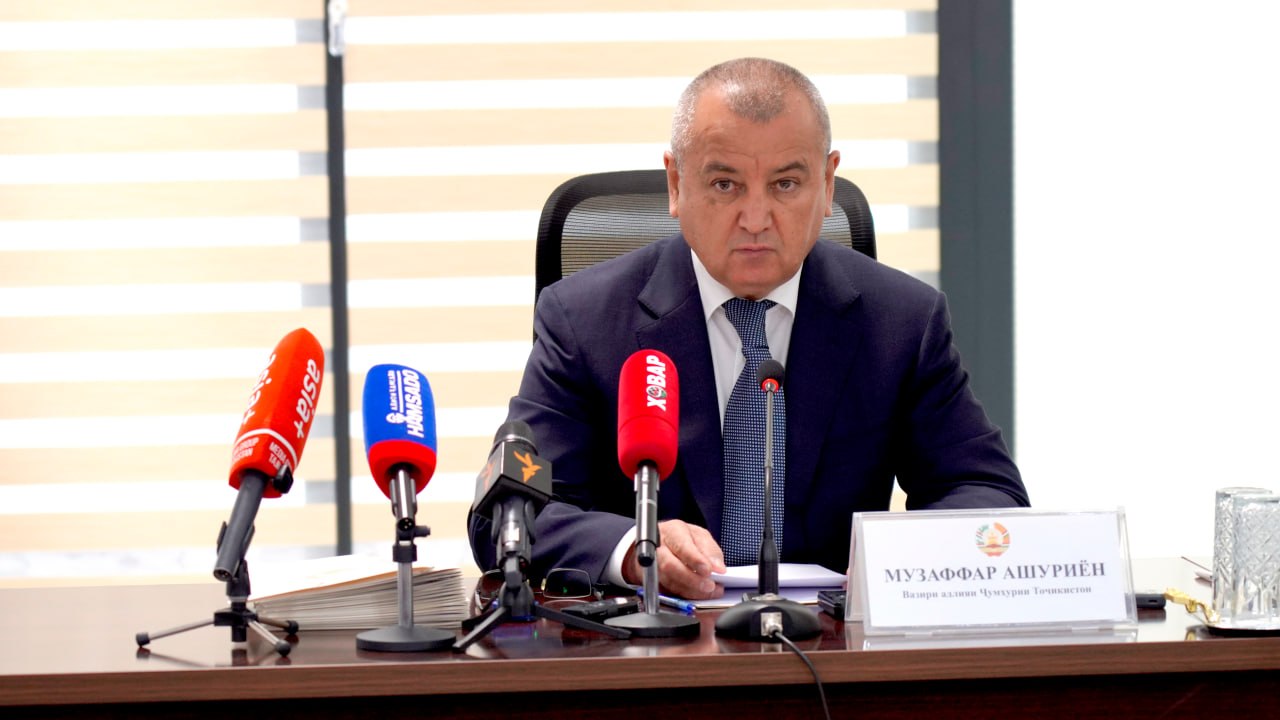

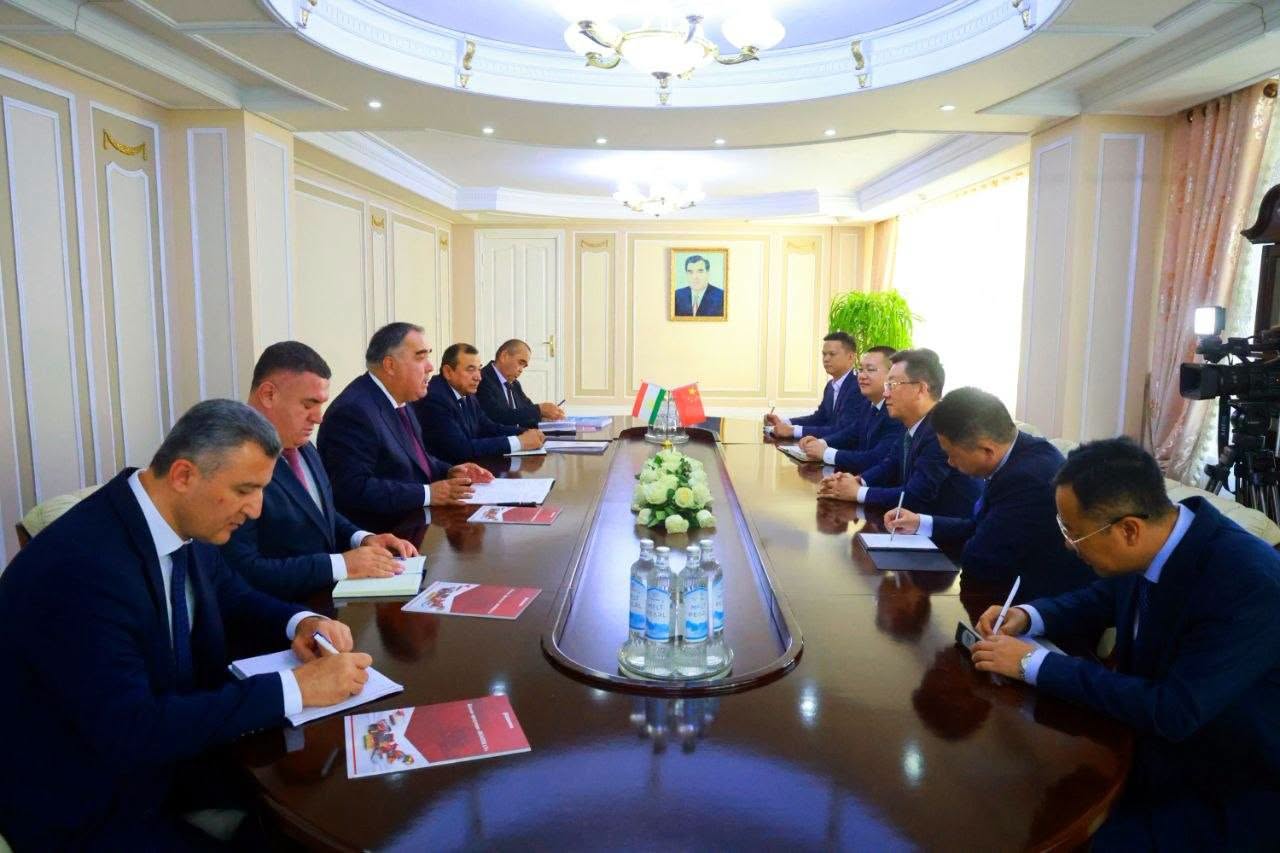

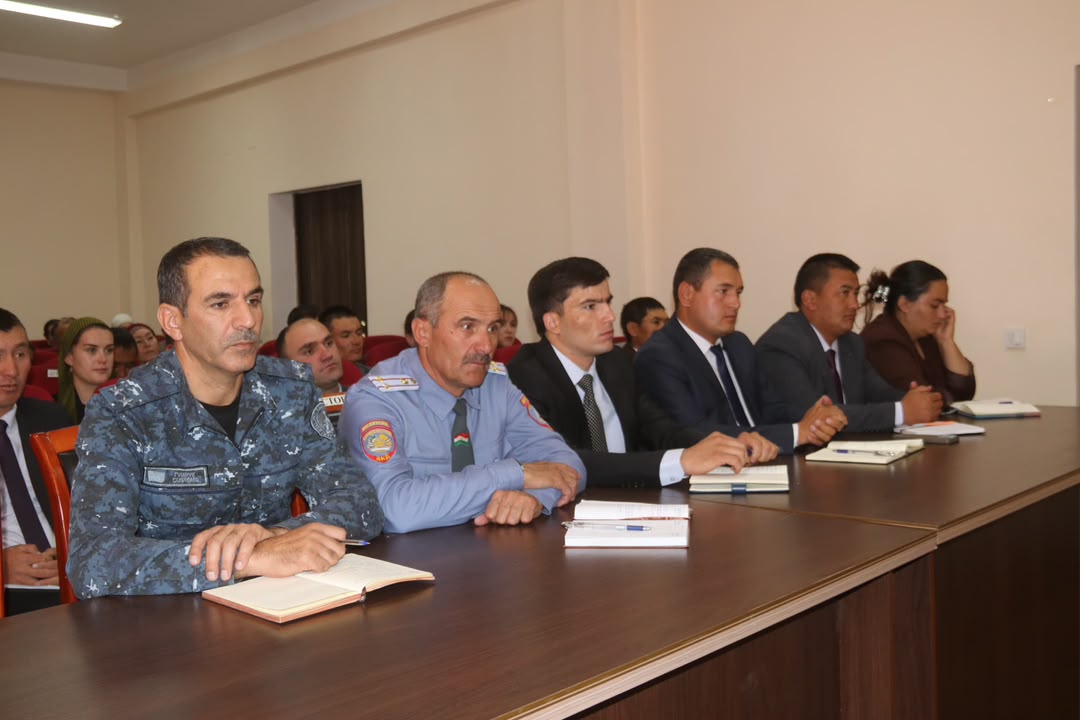
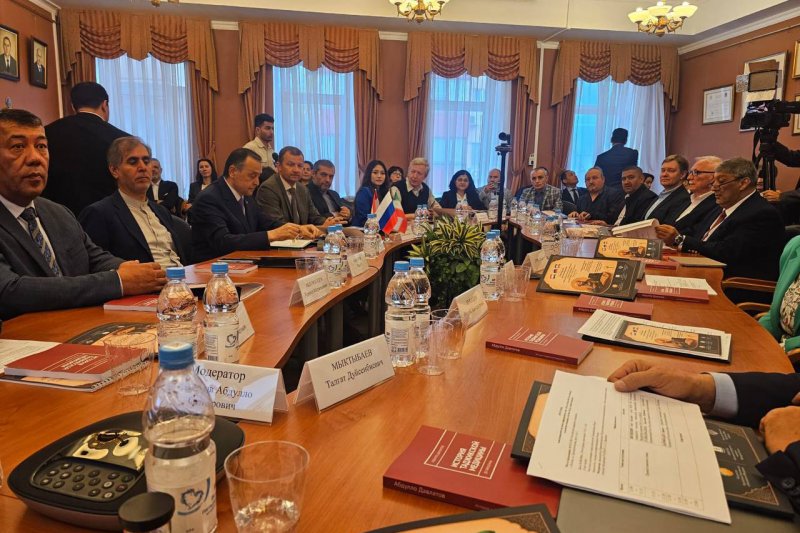











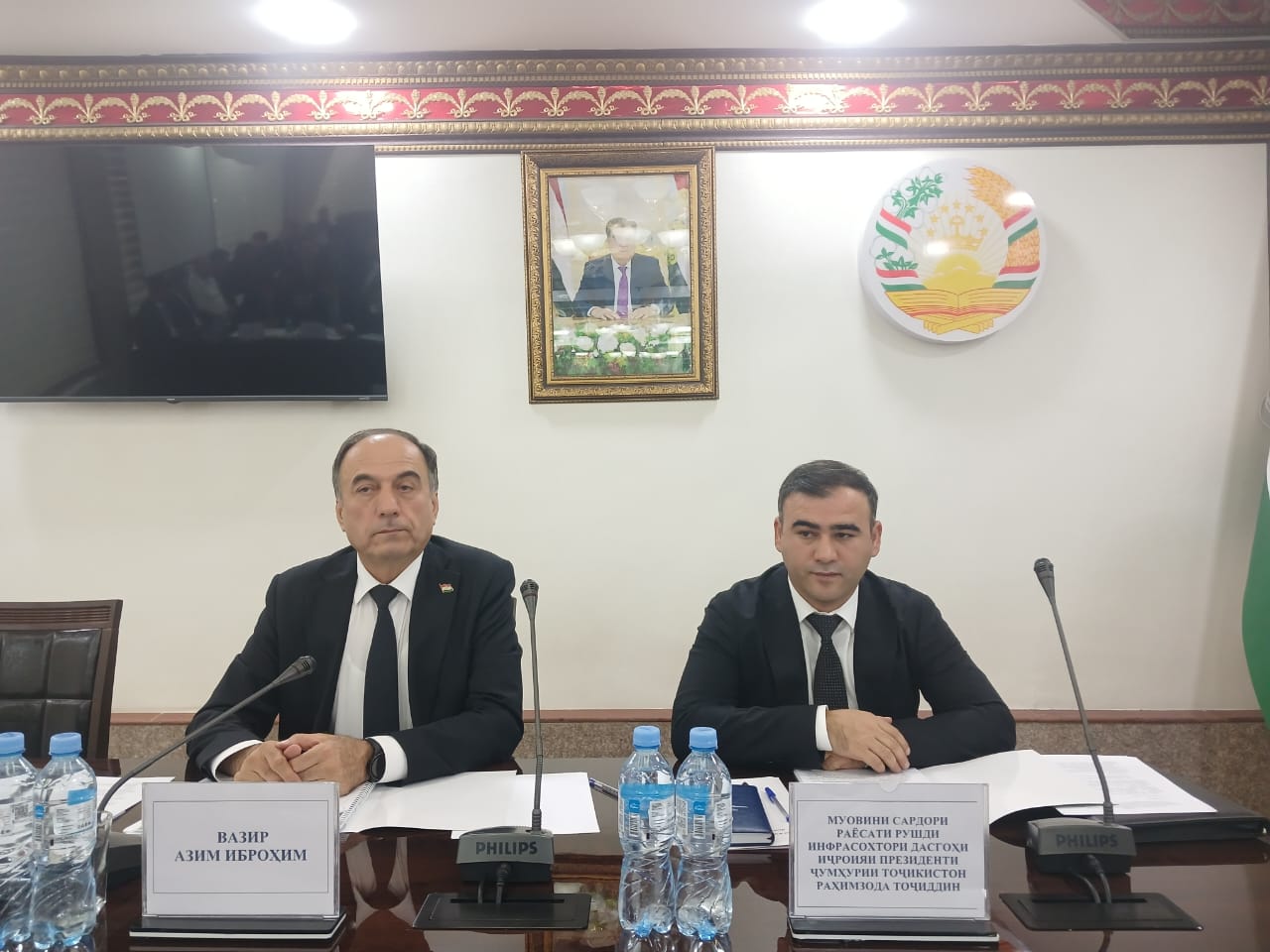
On July 23, the Ministry of Transport of the Republic of Tajikistan held an extended board meeting, which summarized the activities of the ministry and subordinate institutions for the first half of 2025 and identified key tasks for the third quarter of this year. This was reported by the press service of the ministry.
The meeting was attended by the leadership of the ministry, representatives of its structural divisions and organizations under its jurisdiction, as well as representatives of the relevant ministries and departments. Among the participants was Deputy Head of the Infrastructure Development Department of the Executive Office of the President of the Republic of Tajikistan Tojiddin Rahimzoda.
The keynote speech was delivered by First Deputy Minister of Transport Farrukh Nematzoda. He noted that 2,837 enterprises of various forms of ownership currently operate in the republic's transport sector. Of these, 2,439 entities operate in automobile transport (including motor transport enterprises, passenger and cargo terminals, vehicle maintenance and repair stations), 261 enterprises and institutions service road infrastructure, and 137 are related to railway transport. The total number of transport enterprises increased by 4.7% compared to the same period in 2024.
There are 902 passenger routes in the country, including 179 urban, 536 suburban, 156 intercity and 31 international. As of January 1, 2025, 701,231 vehicles were registered in the republic. The fleet structure includes: 606,296 passenger cars, 53,967 trucks, 16,520 passenger cars, 6,007 special vehicles and 18,441 motorcycles. The number of vehicles increased by 64,938 units, which is an increase of 10.8% compared to the previous year. At the same time, 54,573 units of equipment (about 10.3%) are involved in the country's economy.
Over the first six months of this year, all modes of transport transported 66.6 million tons of cargo with a cargo turnover of 6.8 billion ton-kilometers, as well as 511.1 million passengers with a passenger turnover of 7.6 billion passenger-kilometers. Compared to the same period last year, the volume of cargo transportation increased by 9.3%, cargo turnover by 16.4%, passenger flow by 5.8%, and passenger turnover by 13.3%.

The main role in the transport services market of the republic is played by automobile transport, which accounts for more than 94.5% of the total volume of transported goods and 99.8% of passengers. In particular, more than 32.1% of goods (21.4 million tons) and about 97.4% of passengers (498 million people) were transported by automobile transport of the Ministry of Transport system.
Rail transport provides 70% of international transportation. During the reporting period, 3.6 million tons of cargo and 213.2 thousand passengers were transported by rail.
According to the Ministry, the volume of transit cargo transportation for the first half of 2025 amounted to 18.77 thousand tons, which is 18.76 thousand tons more than for the same period last year. This, as the speaker emphasized, is an important step towards the strategic goal of turning the Republic of Tajikistan into a transit state.
Problematic aspects were also identified during the meeting. Thus, the share of domestic carriers in international transportation decreased to 52% — 5% less compared to the same period in 2024. The imbalance between exports and imports continues: the volume of imports by road transport is 1.5 times higher than exports, and by rail — 14.2 times. A decrease in the export of agricultural products, including cotton, dried fruits, food products and cement, was noted.
Following the reports of the heads of a number of structural divisions and subordinate organizations, the Minister of Transport of the Republic of Tajikistan Azim Ibrokhim summed up the meeting. He gave specific instructions and orders to eliminate existing shortcomings and achieve strategic goals.
Among the priority tasks, the minister named: diversification of international routes, active organization of export transportation, especially agricultural products (including early onions), construction and restoration of transport infrastructure, modernization of the railway fleet with the attraction of investments, acceleration of digitalization of the industry, creation of logistics centers in the country and abroad, introduction of a cashless payment system, strengthening control over the movement of heavy vehicles, improving the maintenance of roads, as well as preparation for the autumn-winter period of 2025-2026.
“In order for Tajikistan to become a full-fledged transit country, it is necessary to expand the geography of routes, build and strengthen road infrastructure, improve road maintenance, intensify international cooperation and improve the quality of design work and transport services,” emphasized Azim Ibrohim.
Following the meeting, the board made a corresponding decision.