Thursday, May 28, 2026
  • HOME
  • AVESTA AGENCY
10.3881
11.7801
1.4357
0.1251
Translated with AI

AR | RU
Информационное агентство Авеста
  • Politics
    Azerbaijan Marks 108th Anniversary of the Republic:A Nation Built on Sovereignty, Resilience, and Vision

    Azerbaijan Marks 108th Anniversary of the Republic:A Nation Built on Sovereignty, Resilience, and Vision

    The SCO Secretary General met with the Minister of Foreign Affairs of Tajikistan in Dushanbe.

    The SCO Secretary General met with the Minister of Foreign Affairs of Tajikistan in Dushanbe.

    Tajikistan and Indonesia discussed expanding bilateral cooperation

    Tajikistan and Indonesia discussed expanding bilateral cooperation

    The SCO Secretary General met with the Minister of Foreign Affairs of Tajikistan in Dushanbe.

    The SCO Secretary General met with the Minister of Foreign Affairs of Tajikistan in Dushanbe.

  • Economics
    Tajikistan and Japan discussed a water forecasting system for the Vakhsh River.

    Tajikistan and Japan discussed a water forecasting system for the Vakhsh River.

    Tajikistan and IFAD signed an agreement on livestock development.

    Tajikistan and IFAD signed an agreement on livestock development.

    The EBRD and Tajikistan discussed the implementation of socio-economic projects

    The EBRD and Tajikistan discussed the implementation of socio-economic projects

    Anti-fraud and sanctions compliance in the financial sector were discussed in Dushanbe.

    Anti-fraud and sanctions compliance in the financial sector were discussed in Dushanbe.

  • Security
    CIS intelligence agencies will discuss the fight against religious radicalism.

    CIS intelligence agencies will discuss the fight against religious radicalism.

    CIS countries discussed the security of the Commonwealth's external borders in water areas

    CIS countries discussed the security of the Commonwealth's external borders in water areas

    Tajikistan fulfilled its spring conscription plan ahead of schedule.

    Tajikistan fulfilled its spring conscription plan ahead of schedule.

    The CSTO discussed issues of improving air defense and aviation forces.

    The CSTO discussed issues of improving air defense and aviation forces.

  • Society
    UN: 2.2 billion people lack access to clean water

    UN: 2.2 billion people lack access to clean water

    Dushanbe has become a global platform for the water agenda – Rasulzoda

    Dushanbe has become a global platform for the water agenda – Rasulzoda

    Tajikistan confirmed its leadership in advancing the water agenda

    Tajikistan confirmed its leadership in advancing the water agenda

    The development of the global water agenda after 2030 was discussed in Dushanbe.

    The development of the global water agenda after 2030 was discussed in Dushanbe.

  • Incidents
    A Shahritus resident is suspected of fraud amounting to 280,000 somoni.

    A Shahritus resident is suspected of fraud amounting to 280,000 somoni.

    In Dangara, an electricity grid inspector is suspected of falsifying electricity consumption data.

    In Dangara, an electricity grid inspector is suspected of falsifying electricity consumption data.

    A fatal accident occurred on the Khujand-Guliston highway.

    A fatal accident occurred on the Khujand-Guliston highway.

    A student died in a gas cylinder explosion in Dushanbe.

    A student died in a gas cylinder explosion in Dushanbe.

  • Sport
    Dushanbe celebrated World Football Day with a large-scale sports festival

    Dushanbe celebrated World Football Day with a large-scale sports festival

    Regar-TadAZ won the Tajikistan Super Cup for the first time.

    Regar-TadAZ won the Tajikistan Super Cup for the first time.

    Lionel Messi joins Ronaldo as football's billionaires

    Lionel Messi joins Ronaldo as football's billionaires

    Tajikistan's youth team will play Croatia, Senegal, and Cuba at the 2026 World Cup.

    Tajikistan's youth team will play Croatia, Senegal, and Cuba at the 2026 World Cup.

  • China
    Wang Yi spoke about the need for a sustainable ceasefire in the Middle East and the Persian Gulf region

    Wang Yi spoke about the need for a sustainable ceasefire in the Middle East and the Persian Gulf region

    Peng Liyuan and Tamara Vucic visited the Beijing Dance Academy.

    Peng Liyuan and Tamara Vucic visited the Beijing Dance Academy.

    Xi Jinping: China highly appreciates Pakistan's efforts to restore peace in the Middle East

    Xi Zhongxun's Testament: An Excerpt from CMG's Documentary "Sincerity and Devotion"

  • Uzbekistan
    Bookmakers in Uzbekistan: The 2025 market is entering a phase of active development

    Bookmakers in Uzbekistan: The 2025 market is entering a phase of active development

  • Ukraine
    Rubio: US ready to facilitate negotiations on Ukraine

    Rubio: US ready to facilitate negotiations on Ukraine

    Russia launched a massive missile and drone strike on Ukraine.

    Russia launched a massive missile and drone strike on Ukraine.

    Russia launched new strikes against Ukraine, with casualties reported.

    Russia launched new strikes against Ukraine, with casualties reported.

    Russia's new strikes on Ukraine: there are casualties, and children are among the wounded.

    Russia's new strikes on Ukraine: there are casualties, and children are among the wounded.

  • …
    • Central Asia
    • Culture
    • Reviews
    • Opinions
    • Interview
No Result
View All Result
  • Politics
    Azerbaijan Marks 108th Anniversary of the Republic:A Nation Built on Sovereignty, Resilience, and Vision

    Azerbaijan Marks 108th Anniversary of the Republic:A Nation Built on Sovereignty, Resilience, and Vision

    The SCO Secretary General met with the Minister of Foreign Affairs of Tajikistan in Dushanbe.

    The SCO Secretary General met with the Minister of Foreign Affairs of Tajikistan in Dushanbe.

    Tajikistan and Indonesia discussed expanding bilateral cooperation

    Tajikistan and Indonesia discussed expanding bilateral cooperation

    The SCO Secretary General met with the Minister of Foreign Affairs of Tajikistan in Dushanbe.

    The SCO Secretary General met with the Minister of Foreign Affairs of Tajikistan in Dushanbe.

  • Economics
    Tajikistan and Japan discussed a water forecasting system for the Vakhsh River.

    Tajikistan and Japan discussed a water forecasting system for the Vakhsh River.

    Tajikistan and IFAD signed an agreement on livestock development.

    Tajikistan and IFAD signed an agreement on livestock development.

    The EBRD and Tajikistan discussed the implementation of socio-economic projects

    The EBRD and Tajikistan discussed the implementation of socio-economic projects

    Anti-fraud and sanctions compliance in the financial sector were discussed in Dushanbe.

    Anti-fraud and sanctions compliance in the financial sector were discussed in Dushanbe.

  • Security
    CIS intelligence agencies will discuss the fight against religious radicalism.

    CIS intelligence agencies will discuss the fight against religious radicalism.

    CIS countries discussed the security of the Commonwealth's external borders in water areas

    CIS countries discussed the security of the Commonwealth's external borders in water areas

    Tajikistan fulfilled its spring conscription plan ahead of schedule.

    Tajikistan fulfilled its spring conscription plan ahead of schedule.

    The CSTO discussed issues of improving air defense and aviation forces.

    The CSTO discussed issues of improving air defense and aviation forces.

  • Society
    UN: 2.2 billion people lack access to clean water

    UN: 2.2 billion people lack access to clean water

    Dushanbe has become a global platform for the water agenda – Rasulzoda

    Dushanbe has become a global platform for the water agenda – Rasulzoda

    Tajikistan confirmed its leadership in advancing the water agenda

    Tajikistan confirmed its leadership in advancing the water agenda

    The development of the global water agenda after 2030 was discussed in Dushanbe.

    The development of the global water agenda after 2030 was discussed in Dushanbe.

  • Incidents
    A Shahritus resident is suspected of fraud amounting to 280,000 somoni.

    A Shahritus resident is suspected of fraud amounting to 280,000 somoni.

    In Dangara, an electricity grid inspector is suspected of falsifying electricity consumption data.

    In Dangara, an electricity grid inspector is suspected of falsifying electricity consumption data.

    A fatal accident occurred on the Khujand-Guliston highway.

    A fatal accident occurred on the Khujand-Guliston highway.

    A student died in a gas cylinder explosion in Dushanbe.

    A student died in a gas cylinder explosion in Dushanbe.

  • Sport
    Dushanbe celebrated World Football Day with a large-scale sports festival

    Dushanbe celebrated World Football Day with a large-scale sports festival

    Regar-TadAZ won the Tajikistan Super Cup for the first time.

    Regar-TadAZ won the Tajikistan Super Cup for the first time.

    Lionel Messi joins Ronaldo as football's billionaires

    Lionel Messi joins Ronaldo as football's billionaires

    Tajikistan's youth team will play Croatia, Senegal, and Cuba at the 2026 World Cup.

    Tajikistan's youth team will play Croatia, Senegal, and Cuba at the 2026 World Cup.

  • China
    Wang Yi spoke about the need for a sustainable ceasefire in the Middle East and the Persian Gulf region

    Wang Yi spoke about the need for a sustainable ceasefire in the Middle East and the Persian Gulf region

    Peng Liyuan and Tamara Vucic visited the Beijing Dance Academy.

    Peng Liyuan and Tamara Vucic visited the Beijing Dance Academy.

    Xi Jinping: China highly appreciates Pakistan's efforts to restore peace in the Middle East

    Xi Zhongxun's Testament: An Excerpt from CMG's Documentary "Sincerity and Devotion"

  • Uzbekistan
    Bookmakers in Uzbekistan: The 2025 market is entering a phase of active development

    Bookmakers in Uzbekistan: The 2025 market is entering a phase of active development

  • Ukraine
    Rubio: US ready to facilitate negotiations on Ukraine

    Rubio: US ready to facilitate negotiations on Ukraine

    Russia launched a massive missile and drone strike on Ukraine.

    Russia launched a massive missile and drone strike on Ukraine.

    Russia launched new strikes against Ukraine, with casualties reported.

    Russia launched new strikes against Ukraine, with casualties reported.

    Russia's new strikes on Ukraine: there are casualties, and children are among the wounded.

    Russia's new strikes on Ukraine: there are casualties, and children are among the wounded.

  • …
    • Central Asia
    • Culture
    • Reviews
    • Opinions
    • Interview
No Result
View All Result
Информационное агентство Авеста
RUS
No Result
View All Result
  • Politics
  • Economics
  • Security
  • Society
  • Incidents
  • Sport
  • China
  • Uzbekistan
  • Ukraine
  • …
Home News Economics

The Impact of Geopolitics on the Payment System: Who Will Become the Leader in Transactions in the CIS – Halyk Bank, Octobank, Alif Bank

July 24, 2025 / 11:01
Category Economics, Top news
The Impact of Geopolitics on the Payment System: Who Will Become the Leader in Transactions in the CIS – Halyk Bank, Octobank, Alif Bank
Поделиться на FacebookОтправить по ТелеграмПоделиться ВконтактеПоделиться

The rapidly changing geopolitical situation has a significant impact on the banking sector of all CIS countries and, in particular, the Central Asian countries. In addition, this sector of the economy is undergoing serious structural changes – open banking and technological innovations are coming into play, and digital transformation is taking place. At the same time, the economies of the CIS countries are developing extremely unevenly. Kazakhstan and Uzbekistan are showing stable dynamics. While the economy of Kyrgyzstan is experiencing a slowdown due to a reduction in remittances and external demand. And Tajikistan, despite the restoration of labor migration, continues to face limited budget opportunities.

"Banks in the CIS countries are benefiting from the positive attitude of investors towards emerging markets. However, the geopolitical situation in the CIS region remains a key factor influencing the forecasts," the international rating agency Fitch Ratings noted in its report published in March 2025. In addition, in a situation where their colleagues in Russia have found themselves isolated from the international system, banks in Central Asia are significantly increasing their clientele and increasing the volume of financial transactions. So who may ultimately end up as the leader in transactions in the CIS in the current situation? Let's take a closer look at the situation.

Kazakhstan is the digital leader in transactional activity in the CIS

Kazakhstan, the second largest economy among the CIS countries, demonstrates stable and impressive dynamics in the development of payment infrastructure. The country consistently increases the volume of transactions on bank accounts, actively introducing digital technologies and stimulating a cashless economy.

According to data for May 2025, the volume of transactions carried out using payment cards of Kazakhstani banks amounted to 18.1 trillion tenge (about 34.9 billion US dollars). This is 21.5% more than at the beginning of the year. The total number of transactions reached 1.3 billion, which is 28.4% more than the January level. The segment of non-cash transfers is growing especially actively: their number increased by 21.7%, reaching 1.2 billion transactions, and the volume – by 18.7%, to 15.7 trillion tenge (29.83 billion dollars).

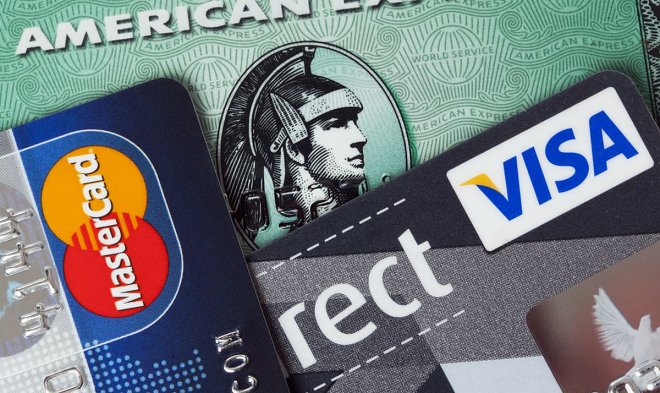
Kazakhstan's financial infrastructure is based on both local and international payment systems. In 2024, 26.7 million cards of local payment systems and 54.6 million international ones were registered in the country, including 39.7 million Visa cards and almost 13.6 million MasterCards. The prevalence of cards and the expanding network of POS terminals (1.16 million) are direct indicators of deep digitalization. Against this background, more than 23 million citizens actively use online banking.

Halyk Bank (People's Bank of Kazakhstan) remains the most dynamically developing bank in the country, with assets reaching 18.2 trillion tenge (34.58 billion dollars) in 2024. The top three also include Kaspi Bank (7.8 trillion tenge) and Bank CenterCredit (6.9 trillion tenge). Halyk retains its leadership in terms of equity capital (2.4 trillion tenge), deposits of individuals and legal entities (10.7 trillion tenge) and net profit (674 billion tenge), although its share in the total assets of the banking sector has decreased from 31% to 29%.

The financial system of Kazakhstan has a high degree of openness. International transfers are made in dollars, euros, pounds sterling and som, with a commission of 0.95% of the amount (at least 200 tenge), with no restrictions on the limit. The time of crediting is from 5 minutes to 3 working days – which allows banks to effectively serve clients in cross-border transactions.

The development of the fintech environment deserves special attention: there are about 200 fintech startups operating in the country, solutions based on QR payments, instant payments, open banking and biometric identification are being actively implemented. Kazakhstan became one of the first CIS countries where a pilot launch of open API for the banking ecosystem is being carried out.

The investment attractiveness of the Kazakh banking sector is high: in 2024, the country's banks, including Development Bank and ForteBank, placed Eurobonds worth more than $1.4 billion. Forecasts for 2025 indicate continued positive dynamics.

In addition, Kazakhstan gains a strategic advantage against the backdrop of Russia’s geopolitical isolation: sanctions imposed on the Russian banking sector redistribute transaction flows in favor of alternative channels – and Kazakhstan becomes one of the key beneficiaries of this process.

Conclusion: Kazakhstan has a powerful combination of factors – high-tech infrastructure, an influx of international investment, sustainable growth of the domestic market and a geopolitical dividend position. All this makes it the undisputed leader in transaction activity in the CIS.

Uzbekistan is a growing hub for consumer transactions and local fintech solutions

Uzbekistan is confidently among the leaders of the financial market among the countries of the post-Soviet space. Against the background of macroeconomic stability, the country demonstrates a steady growth of digital activity in the sphere of payments, transfers and B2C finance.

By the end of 2024, the banking system of Uzbekistan showed a significant increase in the deposit base: the share of deposits increased from 11.5% to 27.7% of the market volume. This is due to the preservation of high real interest rates, stimulating depositors. However, despite such active growth in previous years, the total profit of banks decreased by almost half, amounting to 7 trillion soums (about 80 billion US dollars). This indicates the possible costs of a large-scale transformation of the banking sector and increased competition in the market.

As of August 1, 2024, commercial banks of Uzbekistan issued 50.93 million bank cards. The leaders in terms of issuance volume are Halyk Bank (11.3 million cards), Agrobank (4.85 million) and Ipoteka Bank (4.36 million). It is important to note that local payment systems, as well as electronic wallets, actively compete with international operators. Their total audience exceeds 20 million users. Moreover, these solutions are also used in international C2B payments, which makes them especially relevant for global e-commerce.

The country's financial system also relies on the stable dynamics of money transfers. In the first three months of 2025, the country received $3.3 billion in transfers, which is 32% higher than the same period last year. The growth in March is especially noteworthy, when the volume of transfers amounted to about $1.2 billion. In general, in 2024, Uzbekistan received $14.8 billion in money transfers, 30% more than in 2023. Of these, 77% came from Russia ($11.5 billion). At the same time, according to the results of 2024, Uzbekistan became the leader in the number of incoming transfers from Kazakhstan, overtaking even Russia and Turkey – traditional transfer channels.

The country’s technology infrastructure is rapidly developing. The volume of POS payments in Uzbekistan grew at a compound annual growth rate (CAGR) of 50% in 2021–2023, reaching approximately $35 billion in 2023. Of this, $21.65 billion came directly from POS transactions. The B2C fintech segment is also showing rapid growth, with consumer loans and Buy Now Pay Later models growing at a CAGR of 66% in 2020–2023. This indicates growing public trust in digital banking products.

Among private players, Octobank deserves special attention — one of the most dynamically developing banks in the country. By the end of 2024, it had more than tripled its assets and was awarded the international Best e-com acquirer award for a record number of acquiring transactions. Octobank actively promotes advanced payment technologies: through Visa Direct, the bank provides instant transfers to 180 countries without the need to open foreign currency accounts. In addition, large businesses and private clients can make transfers via the SWIFT system — for example, to pay for education, treatment or foreign economic activity.

The positions of traditional large banks in 2024 turned out to be less stable. The Center for Economic Research and Reforms recorded a decrease in the ratings of Asia Alliance Bank, Ipak Yuli Bank, People's Bank and Business Development Bank. In this context, the strengthening of Octobank became especially noticeable – its position improved by three points in the rating.

The fundamental basis for digital transformation in the country is provided by the state program Digital Uzbekistan–2030. Within the framework of this initiative, conditions are being created for universal internet connection, 4G and 5G networks are being expanded, and the cost of mobile data is being reduced. The country is actively developing regulatory sandboxes, allowing fintech companies and banks to test innovative products in a controlled environment.

Conclusion: Uzbekistan is confidently moving towards the status of a digital leader in the field of retail and consumer payments. The growth of transfer volumes, active support of the fintech ecosystem, the introduction of local payment systems and the expansion of private banks create a powerful impetus for the further expansion of transaction activity both within the country and in the international arena.

Tajikistan is an emerging player in digital transactions

Tajikistan's economy is still significantly inferior in scale and level of development to Kazakhstan and Uzbekistan, but in recent years the country has demonstrated stable growth, especially in the post-pandemic period. From 2021 to 2024, the republic's GDP grew by 8.5%, and by the end of March 2025, growth was 8.2%, which, despite a slight slowdown, indicates a continuing positive trend.

One of the key characteristics of the Tajik economy remains its high dependence on remittances from labor migrants. The World Bank noted peak values for the share of such transfers in GDP: in 2022, this figure was 50%, and in 2023, 38%. This makes the country one of the most transfer-dependent economies in the world and shapes the special role of the payment infrastructure in the republic's financial system.

According to data published by the National Bank of Tajikistan in May 2025, more than 5.4 million non-cash transactions worth over $81 million were made in the first quarter of this year. The total number of transactions increased by 28%, and their volume by 50.3%. Over the past four years, non-cash payments in the country have grown by 70%, reflecting the growing interest of the population in digital forms of payment.

Bank cards in Tajikistan are represented by both national and international payment systems. The republic's banks issue cards of the National Payment System "Korti Milli", as well as Visa, Mastercard and UnionPay. The national system occupies a dominant position in the market: as of March 31, 2025, 54.1% of issued cards are Korti Milli, another 21.6% are its varieties, including ExpressPay and UnionPlay version. Visa occupies 14.6% of the market, Mastercard – 4.6%, UnionPay – 0.3%. In total, there are 8.6 million bank cards in circulation in the country.

The number of non-cash transactions using bank cards and e-wallets has shown steady growth: according to the results of the last reporting period, the number of transactions increased by 40.7%, and the volume of payments made by 76.4%. Despite limited infrastructure and low density of POS terminals compared to neighboring countries, the demand for digital financial services in the country continues to grow.

Tajikistan's financial sector comprises 26 credit financial institutions. According to a review by the rating agency, Expert, the most stable players remain Bank Eskhata, Orienbank and the International Bank of Tajikistan. At the same time, Alif Bank, once one of the most promising fintech projects in the country, has reduced its level of financial stability, reducing its assets by 26%.

However, Alif Bank, founded in 2014, remains one of the main drivers of the digital transformation of Tajikistan's financial sector. The bank issues Visa and Mastercard cards, offers integration with Google Pay and develops its own online marketplace. Its digital ecosystem includes Alif Mobi, a mobile wallet, online acquiring and flexible installment cards "Salom", which allows it to reach a wide audience of private users and small businesses.

The development of digital payments is supported at the legislative level. The republic is forming a regulatory framework for the introduction of electronic payments in trade and customs. However, limited budgetary resources and the weak material base of the banking sector continue to hinder large-scale modernization of the infrastructure.

In geopolitical terms, Tajikistan demonstrates a neutral position and maintains interaction with the Russian financial system. In particular, cards of the Russian payment system "Mir" are accepted in the country through Amonatbank. However, the level of integration is limited, and the scale is very modest, which makes this option more of an auxiliary than a system-forming one.

Conclusion: Tajikistan is gradually forming a digital ecosystem and demonstrating steady growth in cashless payments, but the level of infrastructure maturity and transaction volumes are still significantly inferior to neighboring countries in the region

Previous Post

Tajikistan and Starlink Discuss Digitalization and Satellite Internet

Next Post

The International Court of Justice has recognized the obligation of states to protect the climate

RelatedPosts

UN: 2.2 billion people lack access to clean water
Society

UN: 2.2 billion people lack access to clean water

28/05 10:45
TRIUMPH OF MUSIC: How Tolibkhon Shakhidi's concert went
Culture

TRIUMPH OF MUSIC: How Tolibkhon Shakhidi's concert went

28/05 10:31
Dushanbe has become a global platform for the water agenda – Rasulzoda
Society

Dushanbe has become a global platform for the water agenda – Rasulzoda

28/05 10:30
Azerbaijan Marks 108th Anniversary of the Republic:A Nation Built on Sovereignty, Resilience, and Vision
Politics

Azerbaijan Marks 108th Anniversary of the Republic:A Nation Built on Sovereignty, Resilience, and Vision

28/05 10:21
Load More
Next Post
The International Court of Justice has recognized the obligation of states to protect the climate

The International Court of Justice has recognized the obligation of states to protect the climate

DUSHANBE WEATHER

TOP NEWS OF THE WEEK

  • The Council of Ulema of Tajikistan declared May 27 as the day of celebration of Eid al-Qurbon.

    The Council of Ulema of Tajikistan declared May 27 as the day of celebration of Eid al-Qurbon.

    0 shares
    Share 0 Tweet 0
  • Two people died in road accidents in Tajikistan in two days.

    0 shares
    Share 0 Tweet 0
  • Regional partnership to combat human trafficking discussed in Dushanbe

    0 shares
    Share 0 Tweet 0

NEWS FEED

Society

UN: 2.2 billion people lack access to clean water

28/05 10:45
Culture

TRIUMPH OF MUSIC: How Tolibkhon Shakhidi's concert went

28/05 10:31
Society

Dushanbe has become a global platform for the water agenda – Rasulzoda

28/05 10:30
Politics

Azerbaijan Marks 108th Anniversary of the Republic:A Nation Built on Sovereignty, Resilience, and Vision

28/05 10:21
Politics

The SCO Secretary General met with the Minister of Foreign Affairs of Tajikistan in Dushanbe.

28/05 10:12
Society

Tajikistan confirmed its leadership in advancing the water agenda

28/05 10:00
Society

The development of the global water agenda after 2030 was discussed in Dushanbe.

28/05 09:30
Economics

Tajikistan and Japan discussed a water forecasting system for the Vakhsh River.

28/05 09:00
Politics

Tajikistan and Indonesia discussed expanding bilateral cooperation

28/05 08:30
Economics

Tajikistan and IFAD signed an agreement on livestock development.

28/05 08:14

AVESTA on Facebook

AVESTA Agency

Managing entity:
LLC "Muhammad-Bilol"

Director:
Ulmasov Djamshed

  • +992 (37) 227-14-44
  • [email protected]

AVESTA ON SOCIAL

  • HOME
  • AVESTA AGENCY

© 2004 - 2026 All right reserved. Copying of materials is permitted only with reference to the source.

Welcome Back!

Login to your account below

Forgotten Password?

Retrieve your password

Please enter your username or email address to reset your password.

Log In
No Result
View All Result
  • Politics
  • Economics
  • Security
  • Society
  • Incidents
  • Sport
  • China
  • Uzbekistan
  • Ukraine
  • …
    • Central Asia
    • Culture
    • Reviews
    • Opinions
    • Interview

© 2004 - 2026 All right reserved. Copying of materials is permitted only with reference to the source.