Translated with AI






























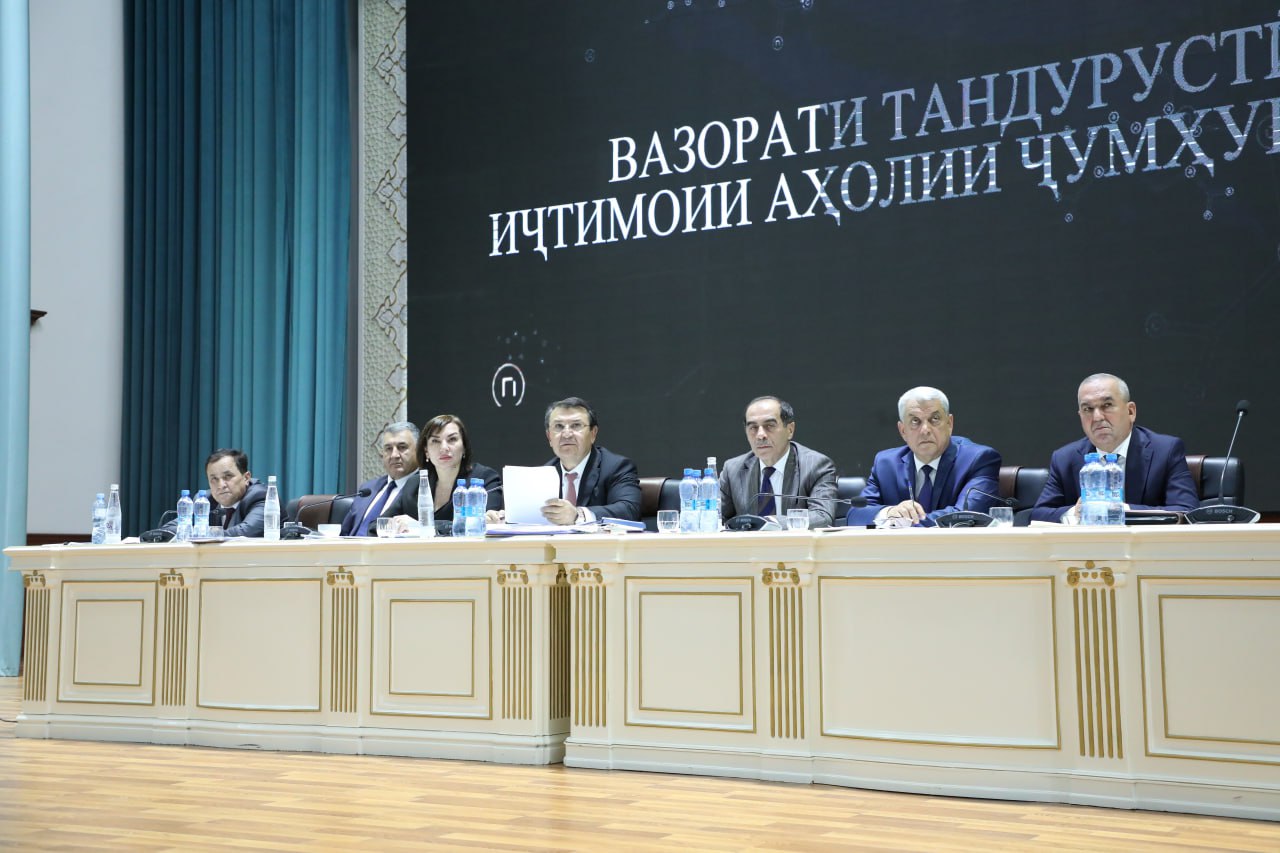
The Ministry of Health and Social Protection of the Population of the Republic of Tajikistan held an extended board meeting, which summarized the work of the ministry and its structural divisions for the first half of 2025. The event was held in the assembly hall of the Avicenna Tajik State Medical University, the press service of the department reported .
The meeting was attended by the Minister of Health and Social Protection of the Population, Jamoliddin Abdullozoda, his deputies, heads of industry services, agencies, medical institutions in all regions of the country, as well as representatives of republican centers and employees of the ministry.
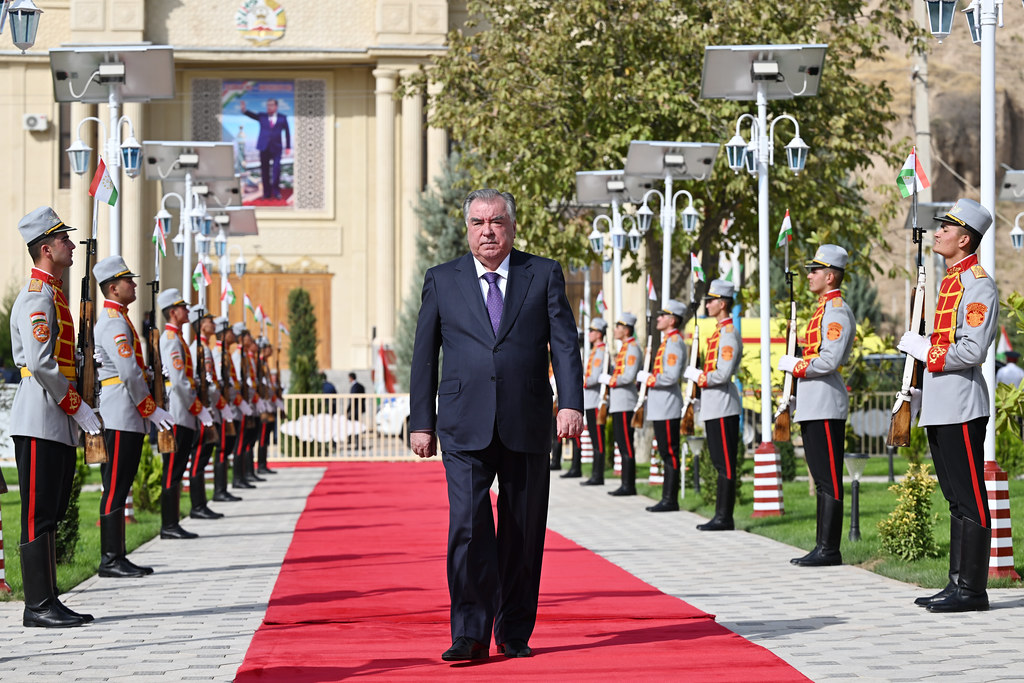
In his report, the head of the ministry noted that in the first half of 2025, with the participation of the President of the Republic of Tajikistan Emomali Rahmon, dozens of new healthcare facilities were commissioned. Among them are the No. 1 ambulance base in the Firdavsi district, diagnostic, treatment and training centers in Dushanbe, Shugnan, Roshtkala, Buston and other districts.
In total, 30 new medical institutions were built and put into operation in the country during the first six months of this year, and 115 facilities were renovated, which contributed to improving the quality and accessibility of medical care.
The Ministry has also prepared and submitted to the Government three draft laws, two of which have already been approved, as well as seven draft resolutions, four of which have been adopted. One draft presidential decree is under consideration.
At the meetings of the board, 10 key issues related to the healthcare and social protection system were discussed. As part of the implementation of the Medium-Term Development Program of Tajikistan (2021-2025), meetings of the working group were held, which resulted in the preparation of the section "Development of Healthcare and Social Protection" for further inclusion in national strategic documents.
One of the significant areas has become the development of primary health care. In pilot mode, this model is being implemented in the Dangara district, in Health Center No. 15 in Dushanbe and in the clinical and educational center of the Sughd region. The projects are being implemented with the participation of international WHO experts, taking into account advanced recommendations and local conditions.
In addition, an analysis of the structure of primary health care and vertical programs is being conducted for their subsequent integration into the country's unified medical space. The results of this work will be presented by August 15.
According to the minister, the introduction of modern diagnostic and treatment methods remains a priority. In the first half of the year, 39 new medical technologies were introduced, of which 7 were in diagnostics and 32 in therapy.
Much attention was paid to improving the qualifications of medical personnel: 192 specialists underwent training and internships abroad, including postgraduate, doctoral and residency programs. Of these, 22 were trained under the Durakhshandagon international scholarship, which is five people more than in the same period last year.
In the scientific field, 50 candidate and 8 doctoral dissertations were defended during the reporting period, which demonstrates the growth of scientific activity in the healthcare system.
Following the meeting, reports were heard from the heads of regional medical institutions, and issues of staffing, disease prevention, maternal and child mortality, compliance with medical ethics, as well as technical equipment and modernization of medical institutions were discussed.
In conclusion, Minister Abdullozoda gave specific instructions: to ensure rational use of equipment, prevent the use of expired medications, comply with sanitary standards, increase the level of response to citizens' requests and strengthen work to eliminate systemic problems.