Translated with AI












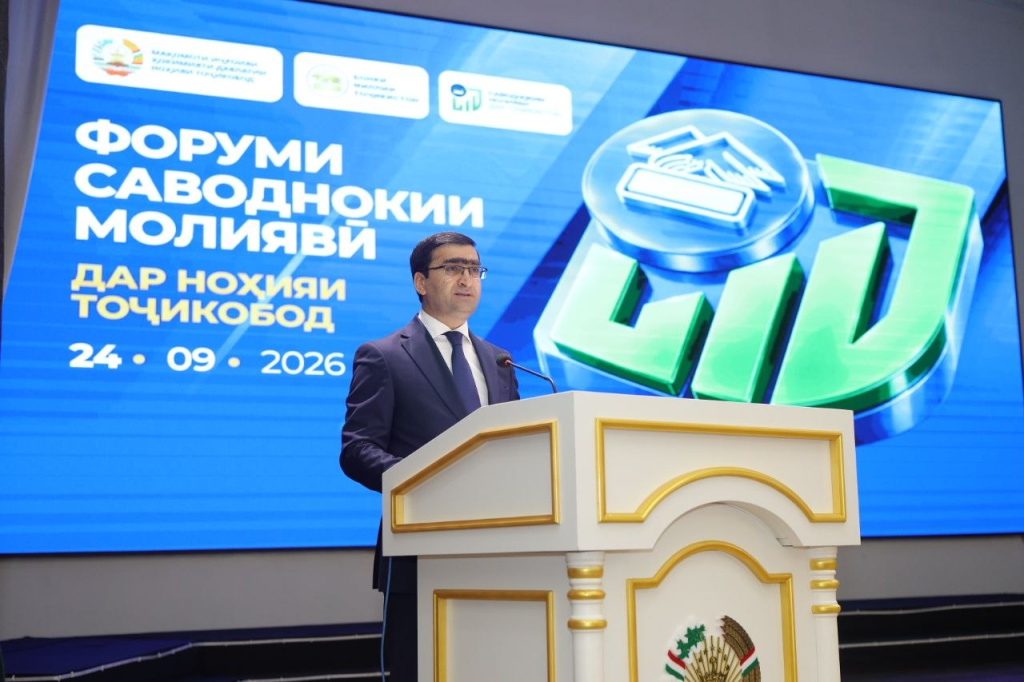




















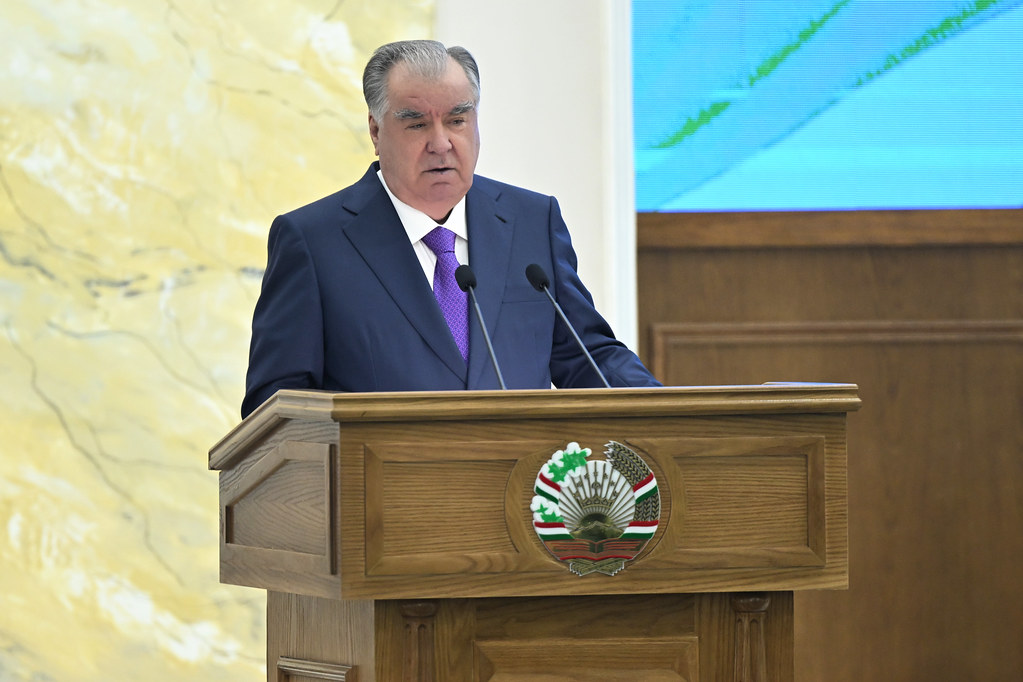
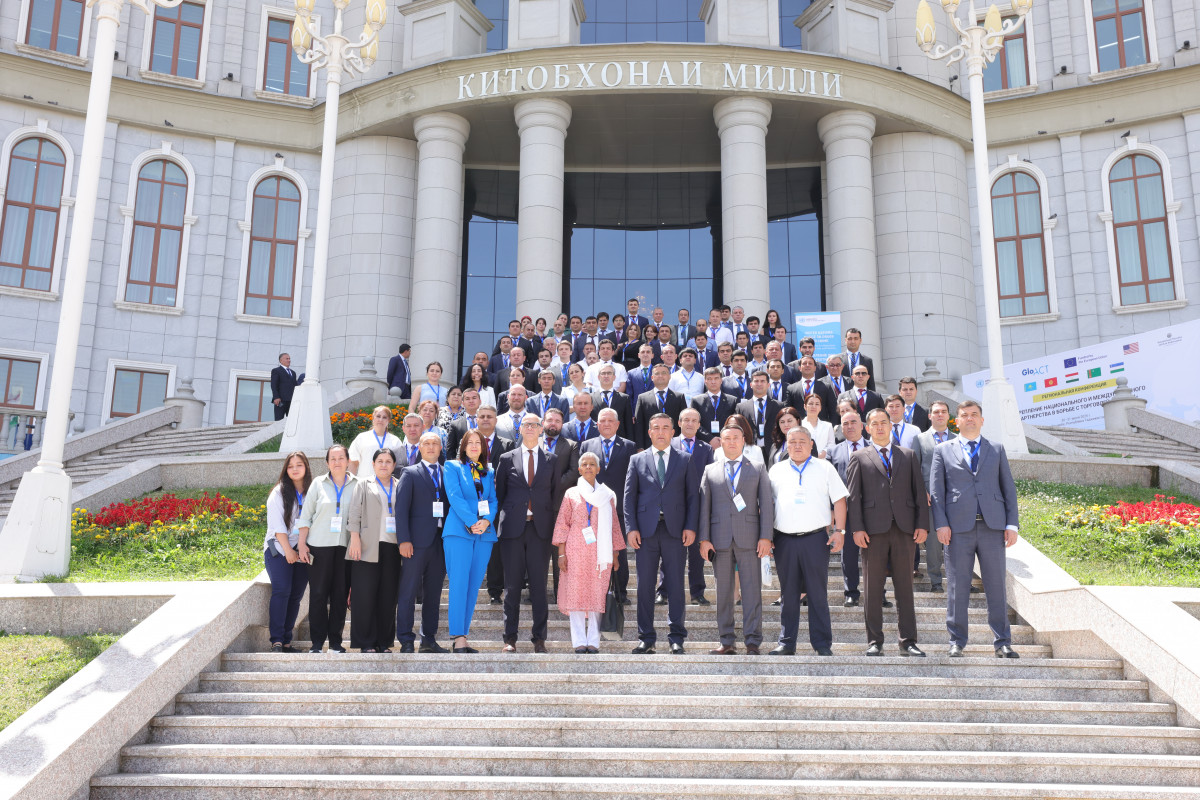
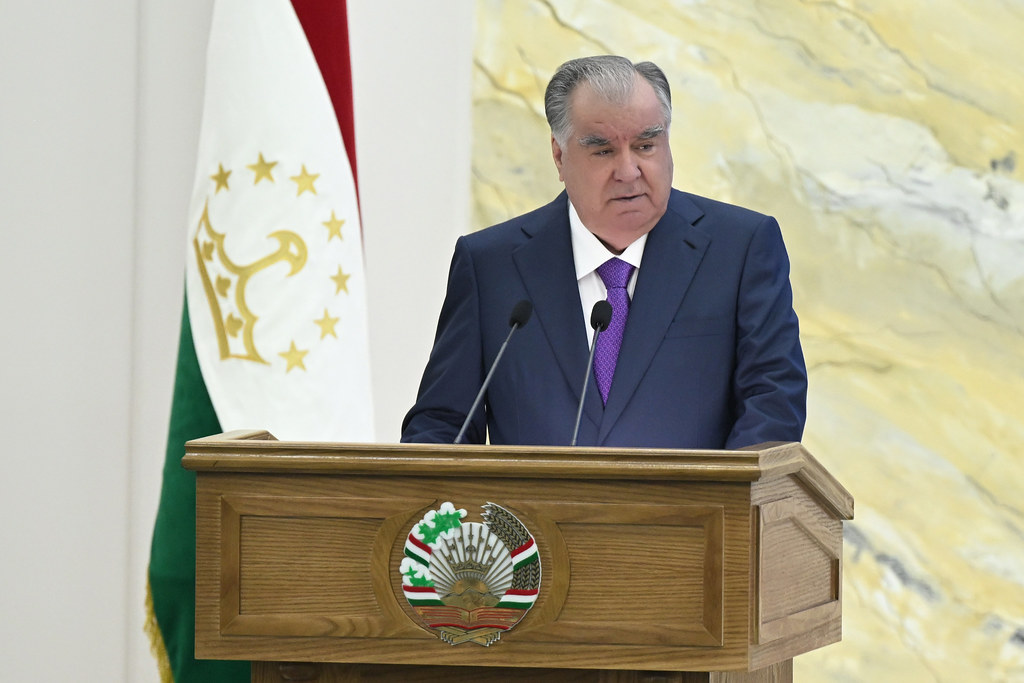
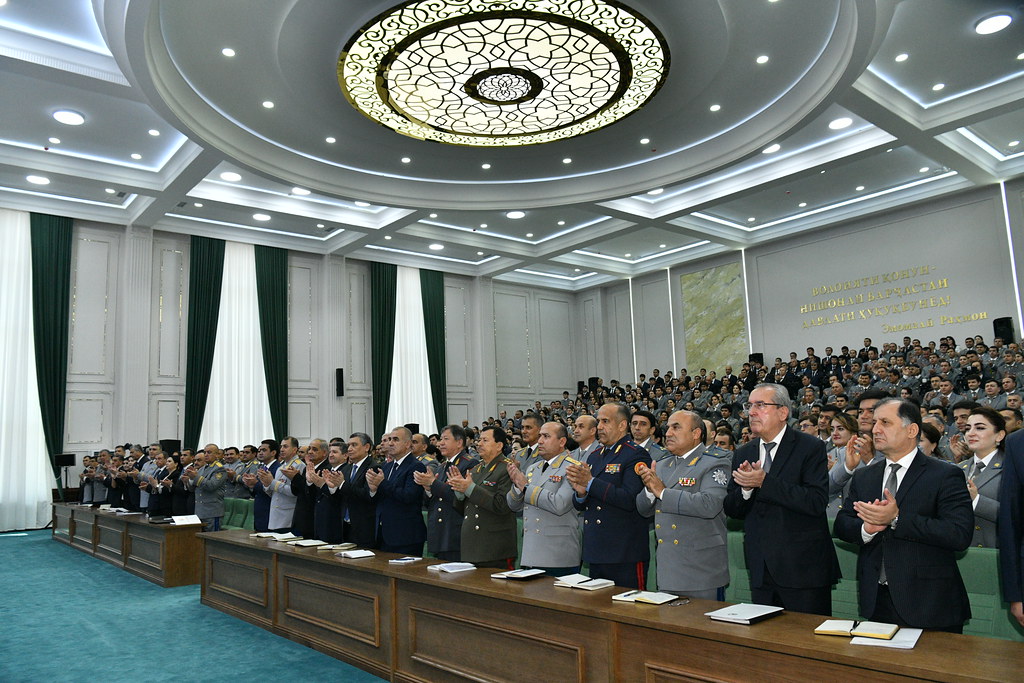
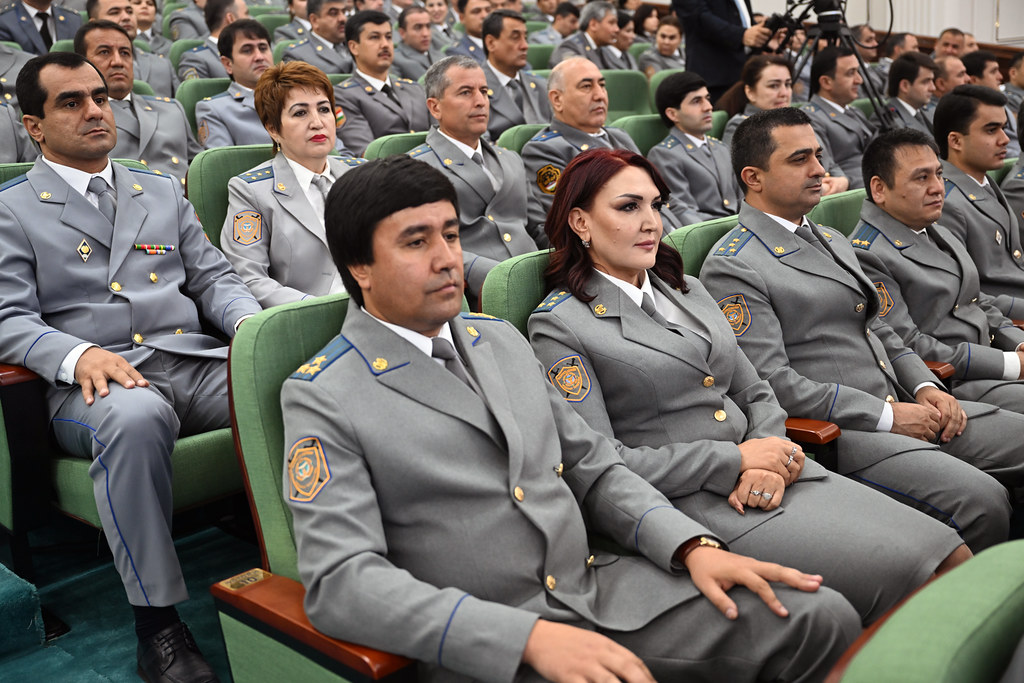
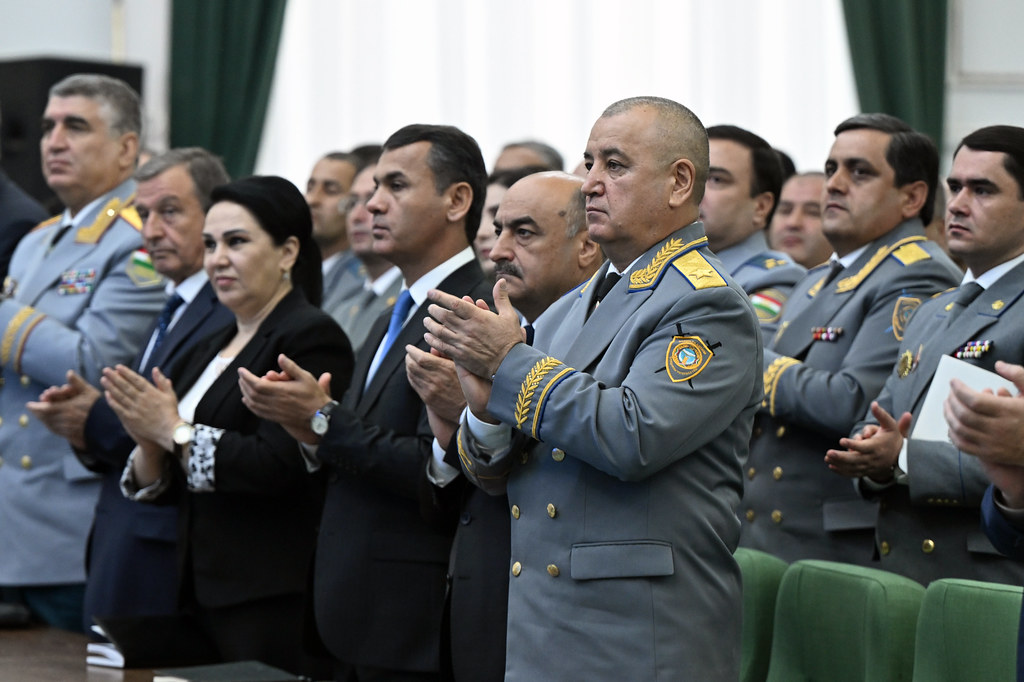
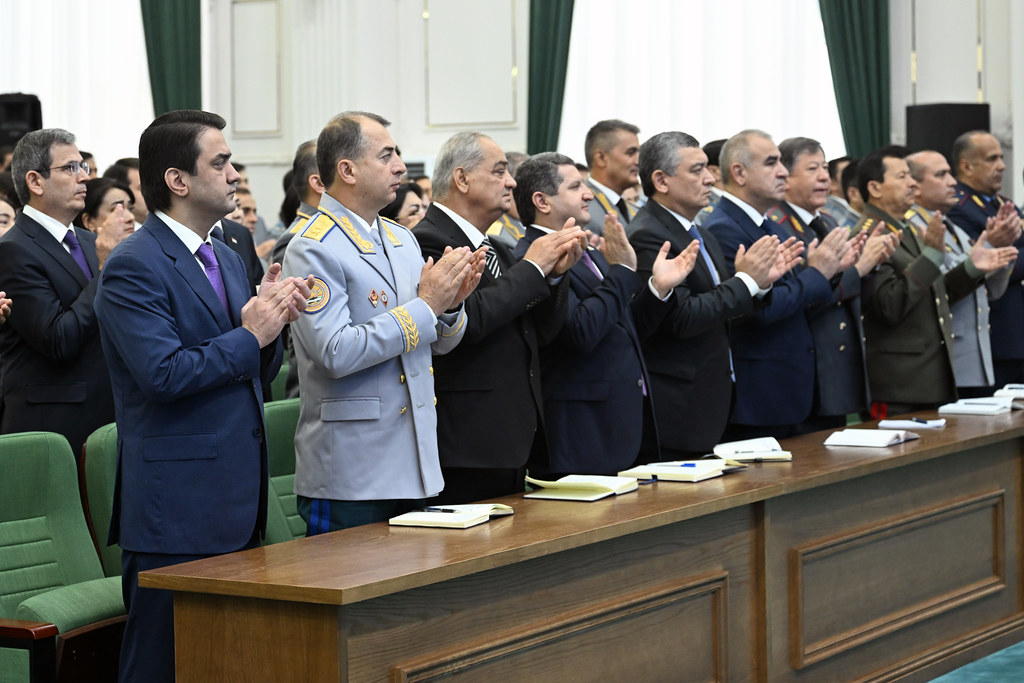
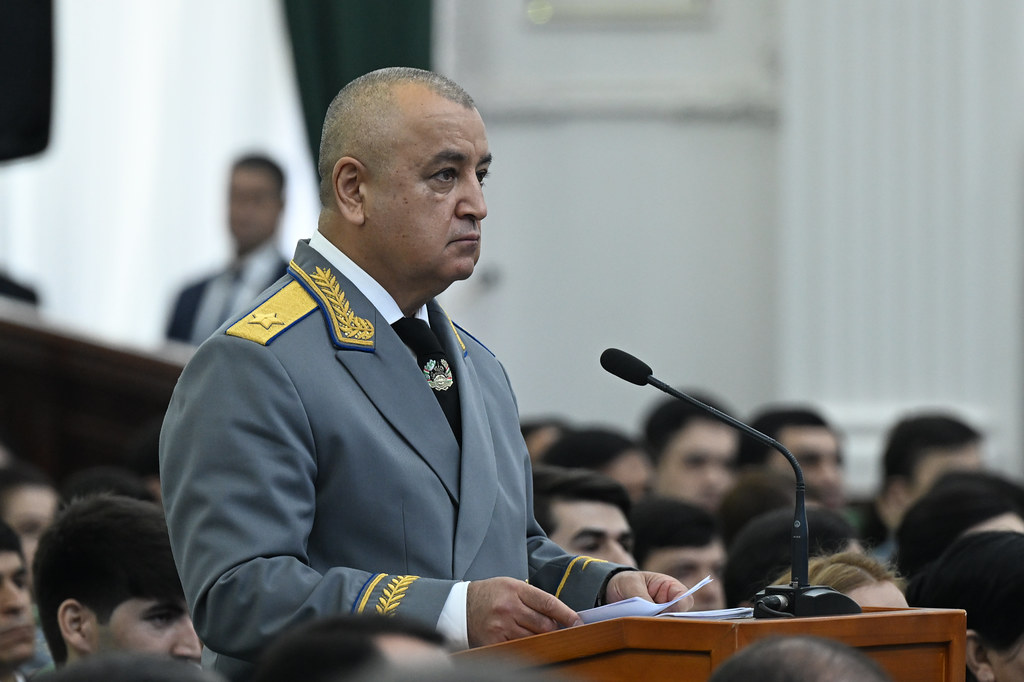
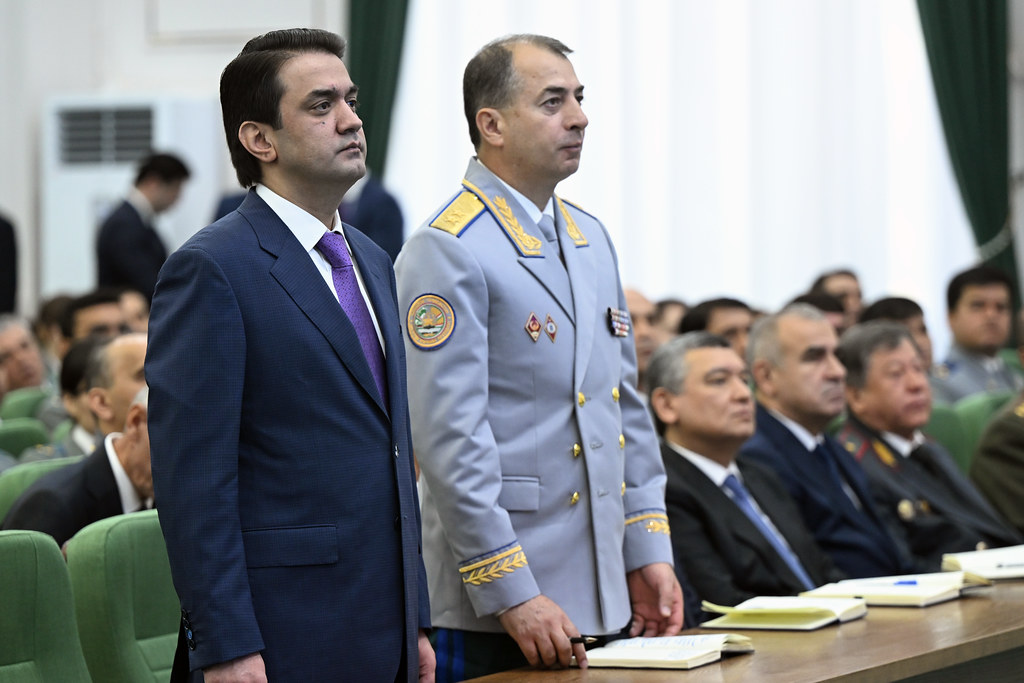
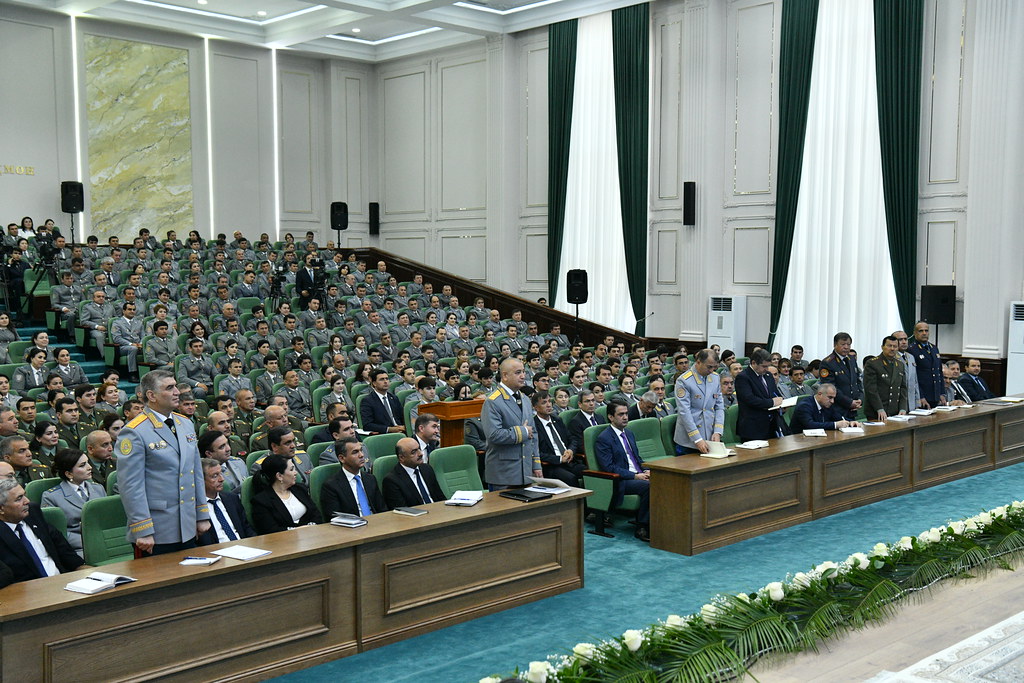
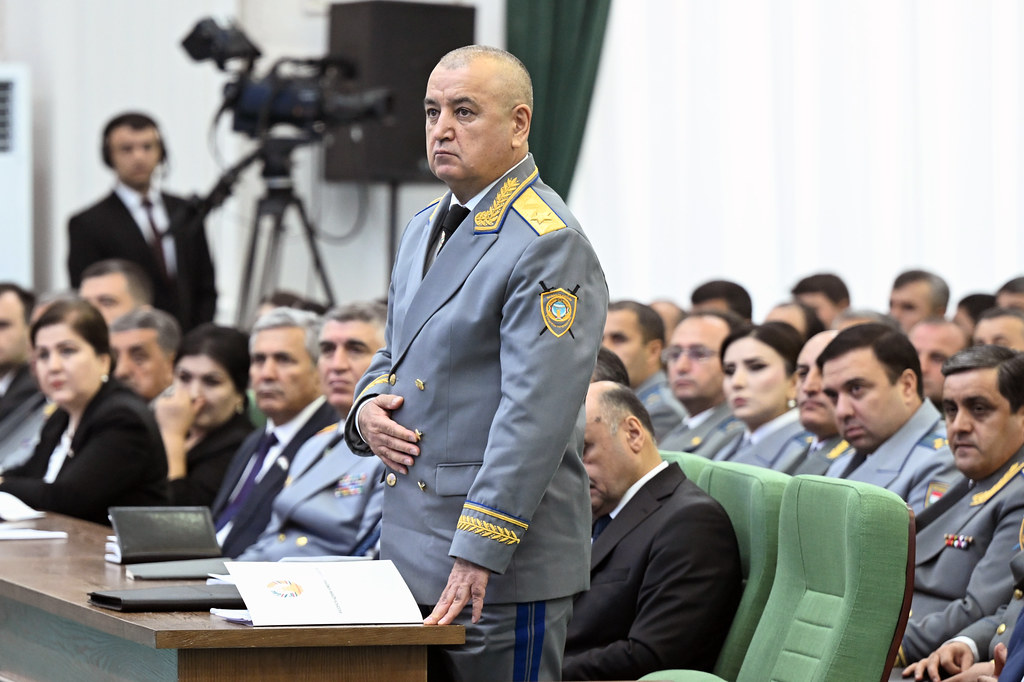
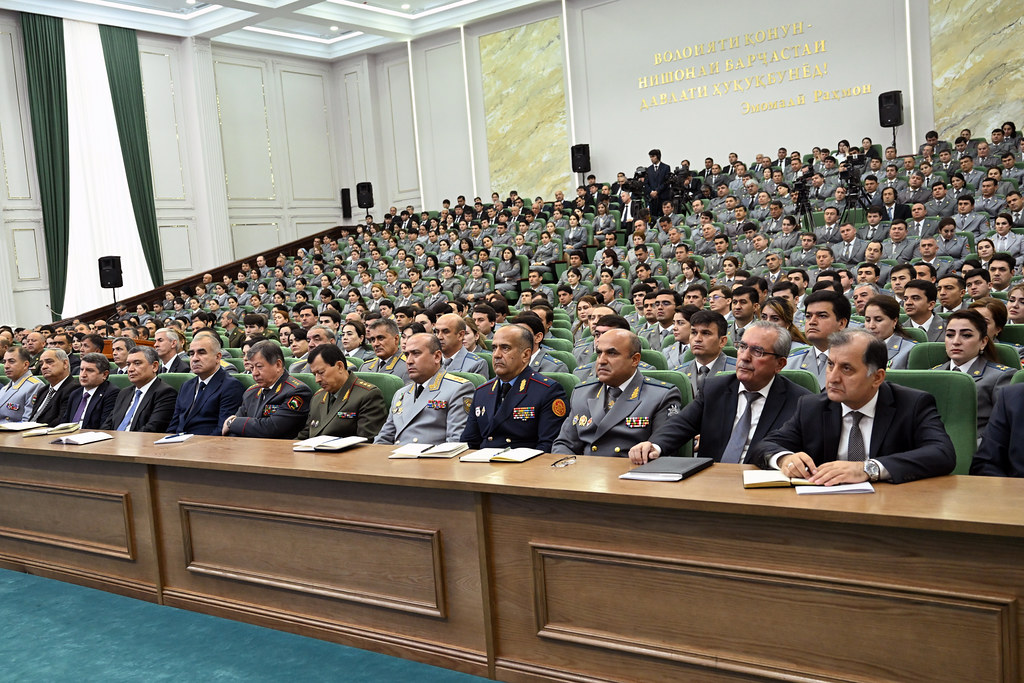
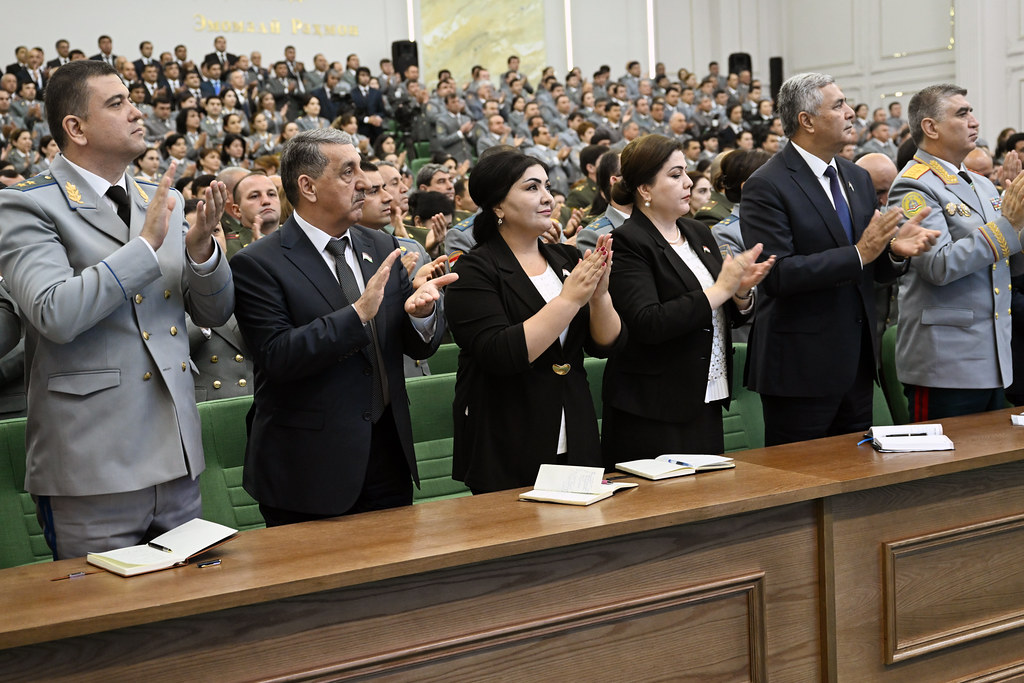
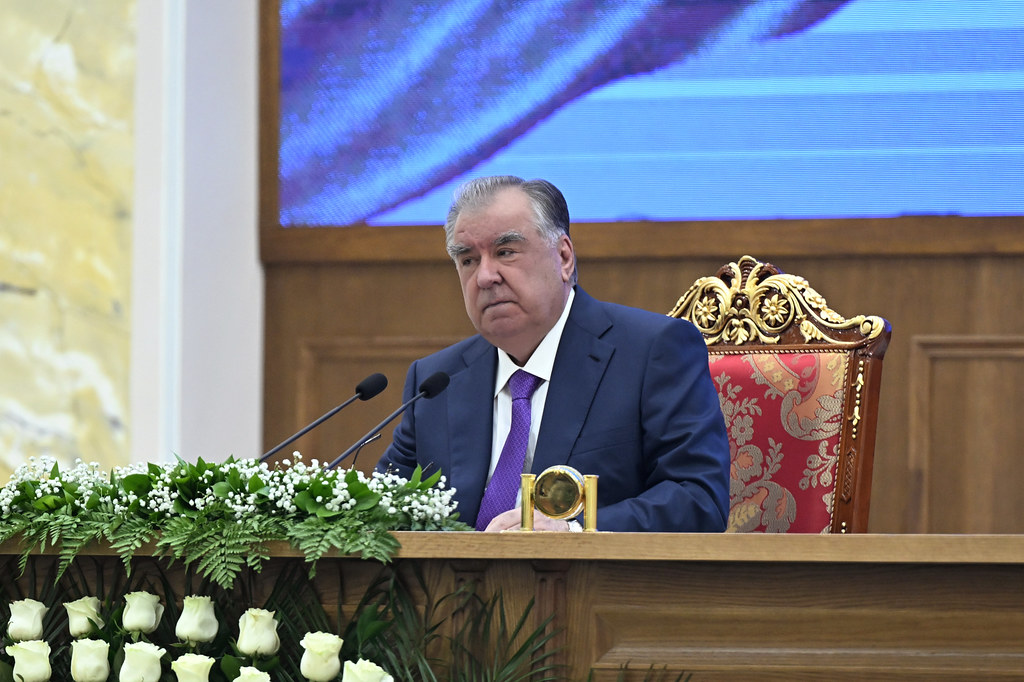
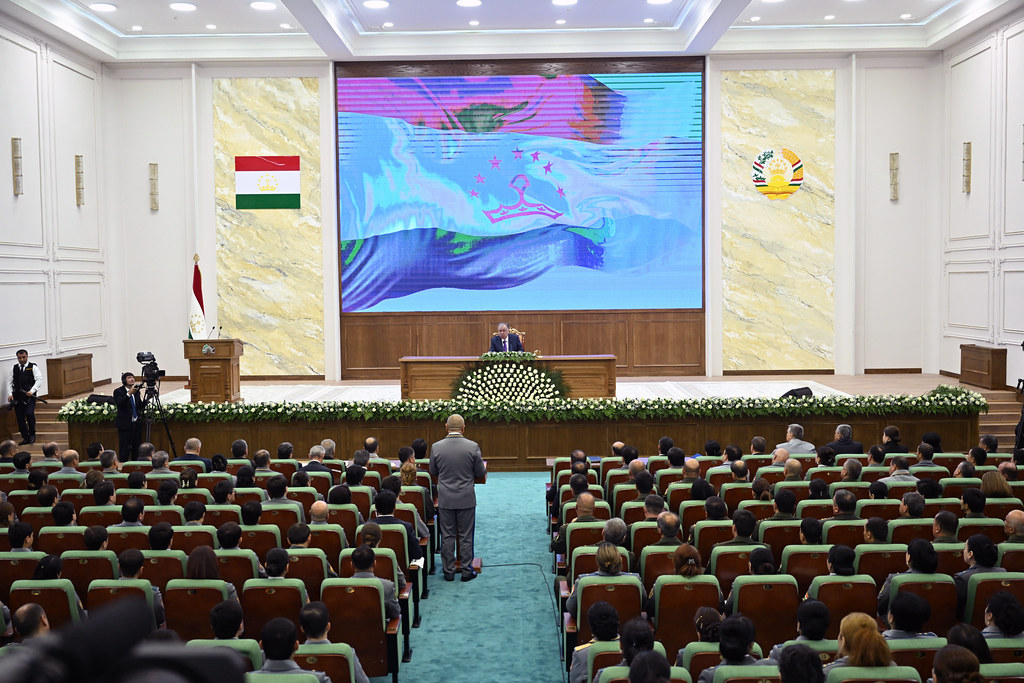
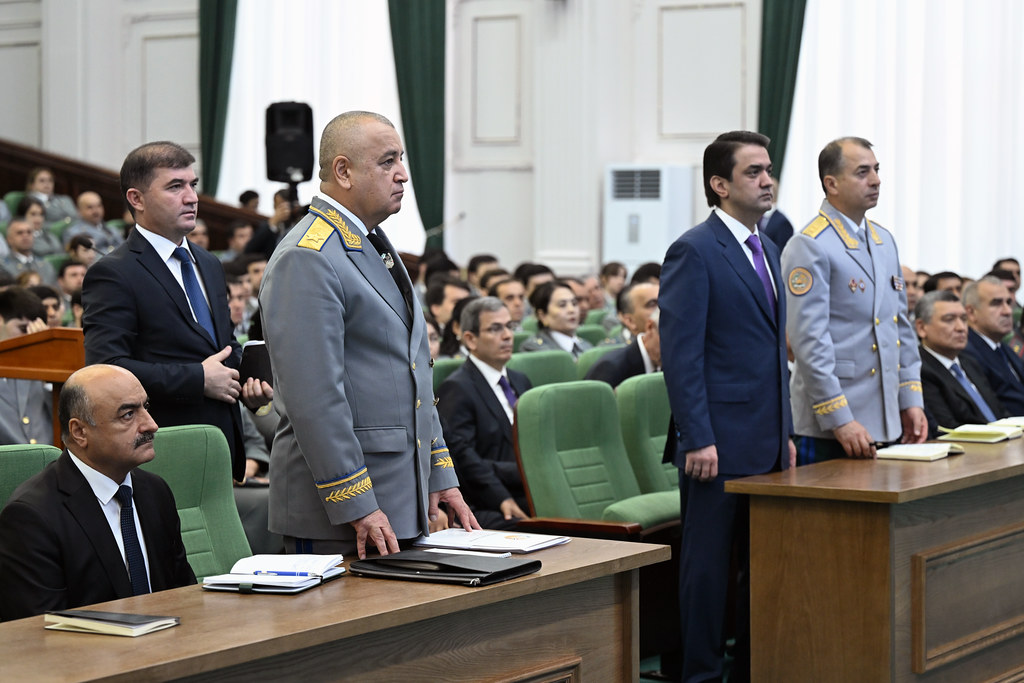
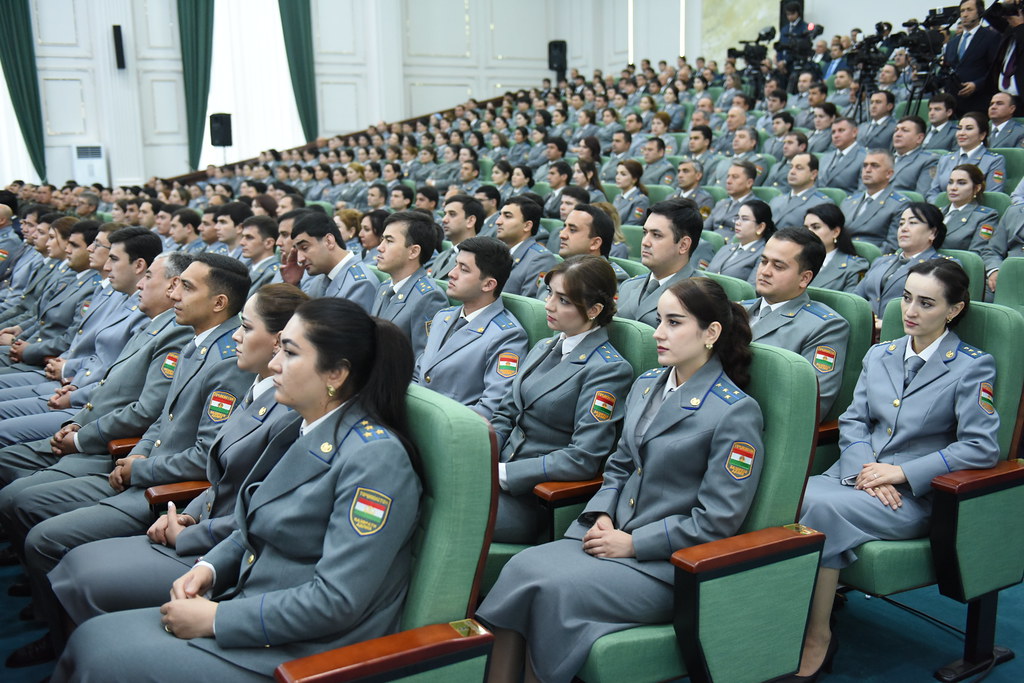
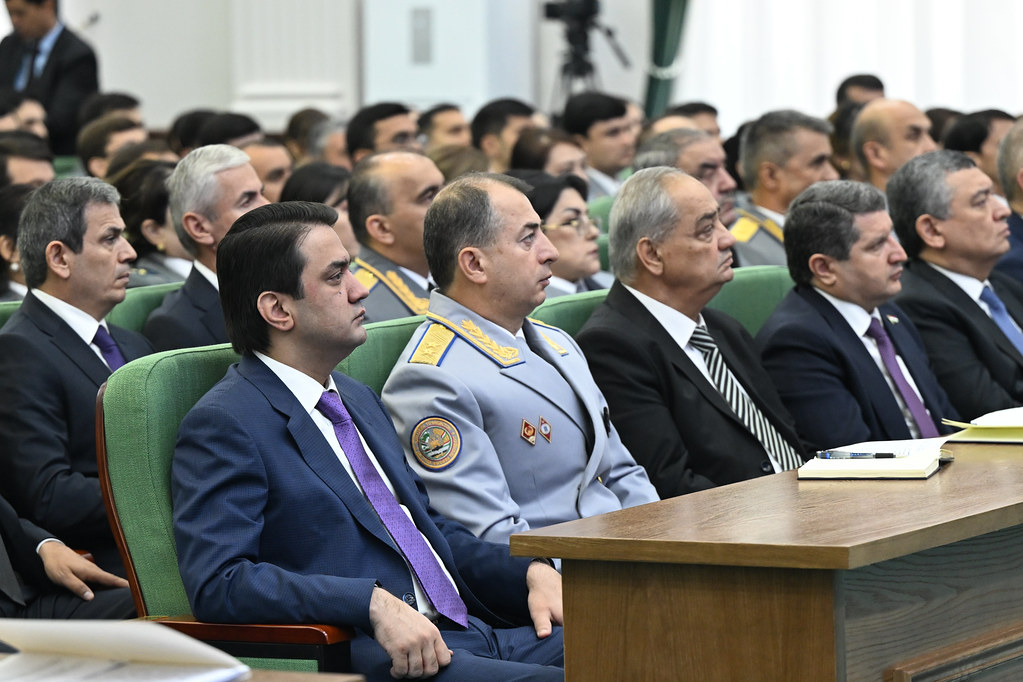
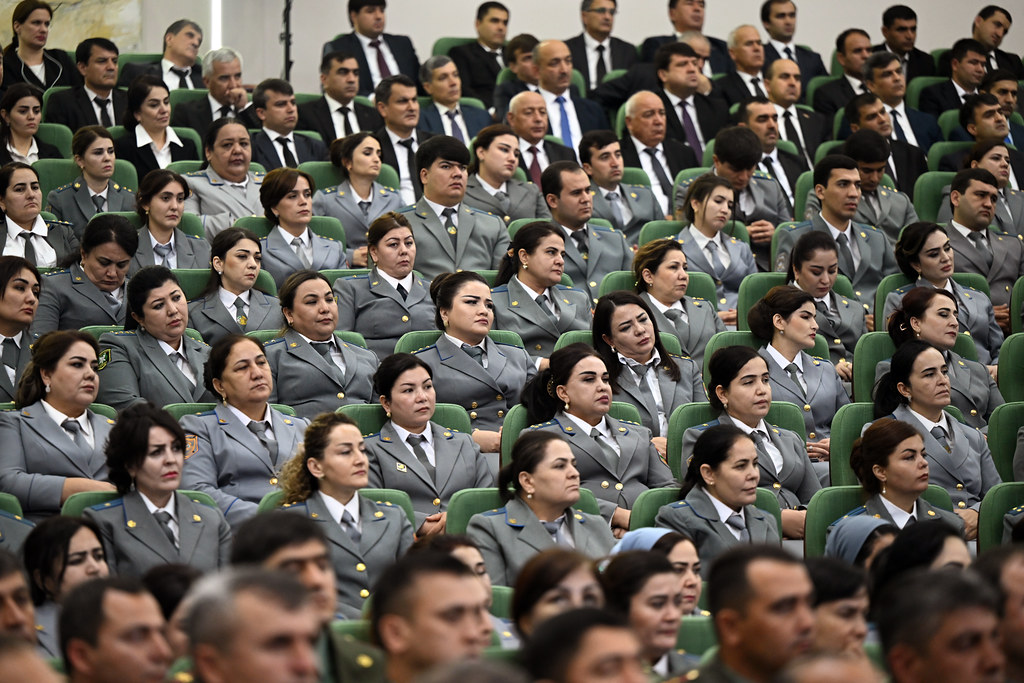
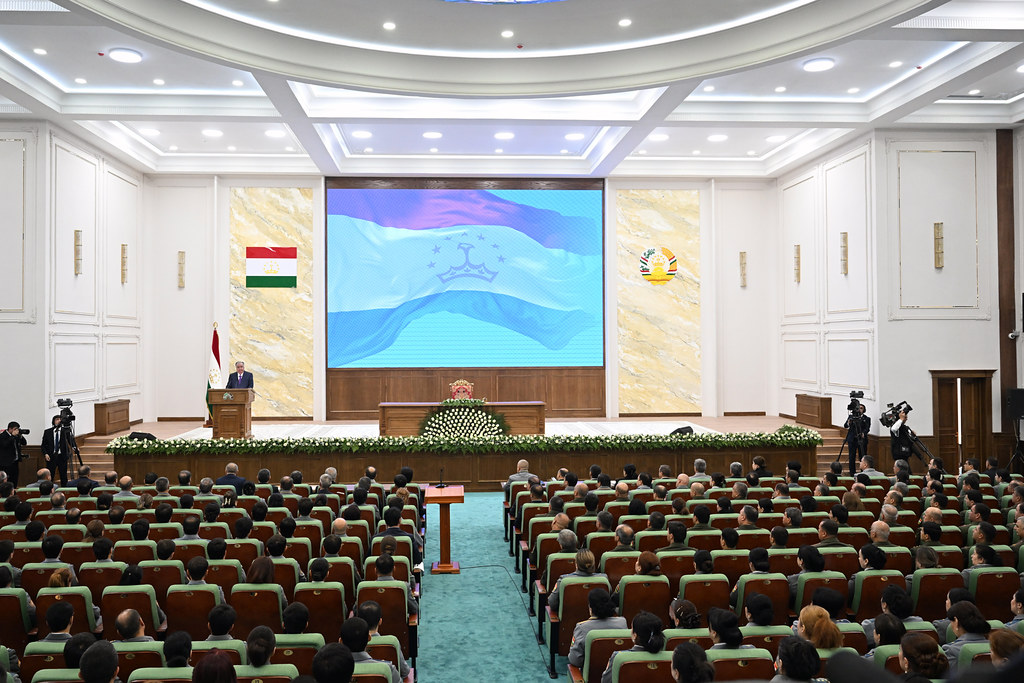
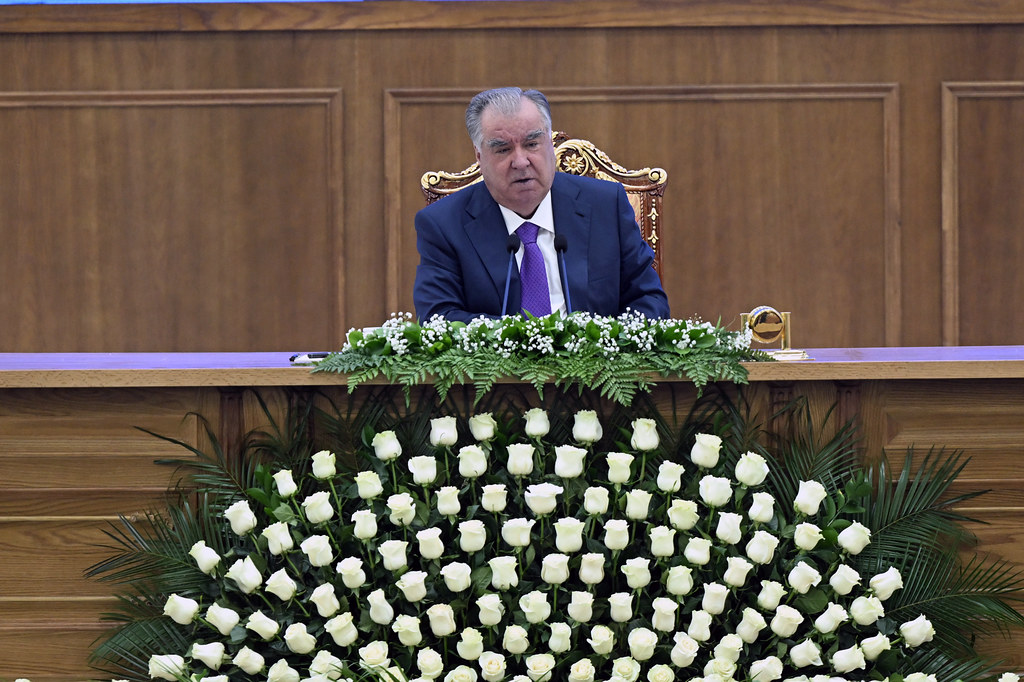
Following the opening of the new Ministry of Justice building, Tajik President Emomali Rahmon met with the heads and staff of the country's justice agencies, the presidential press service reported.
During the meeting, the head of state congratulated the department's staff on the commissioning of the new complex, noting that its construction was the result of the state's special attention to the development of the legal system and the creation of modern working conditions for civil servants.
The President emphasized that justice agencies, along with law enforcement agencies, are at the forefront of protecting human and civil rights and freedoms and ensuring the rule of law and justice. He stated that the new Ministry of Justice building is not only an administrative facility but also a symbol of respect for the law, justice, and state independence.
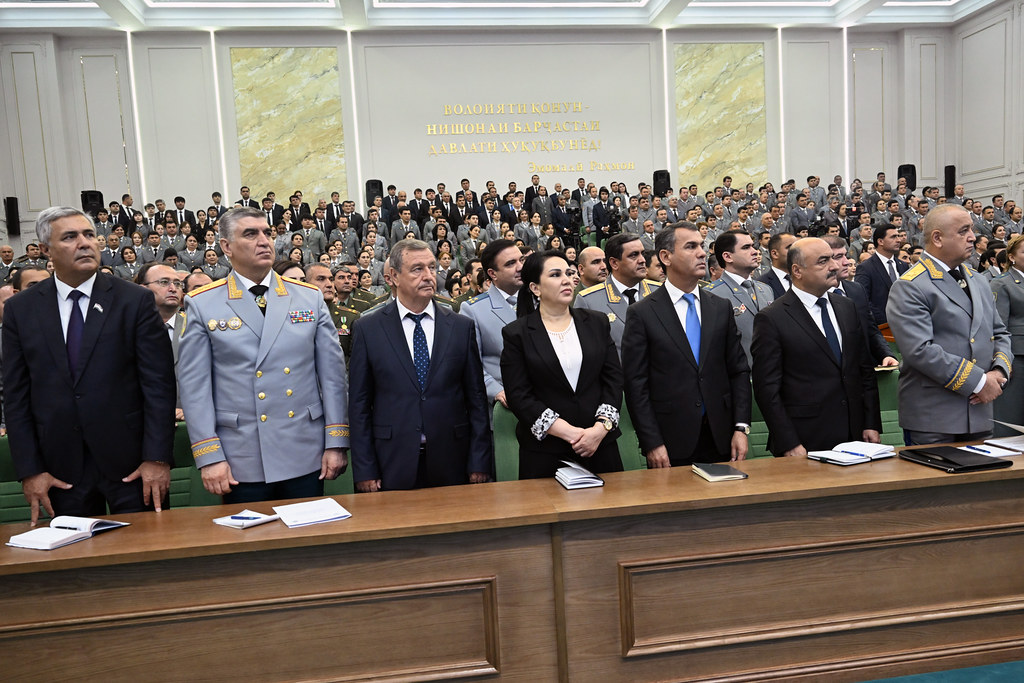
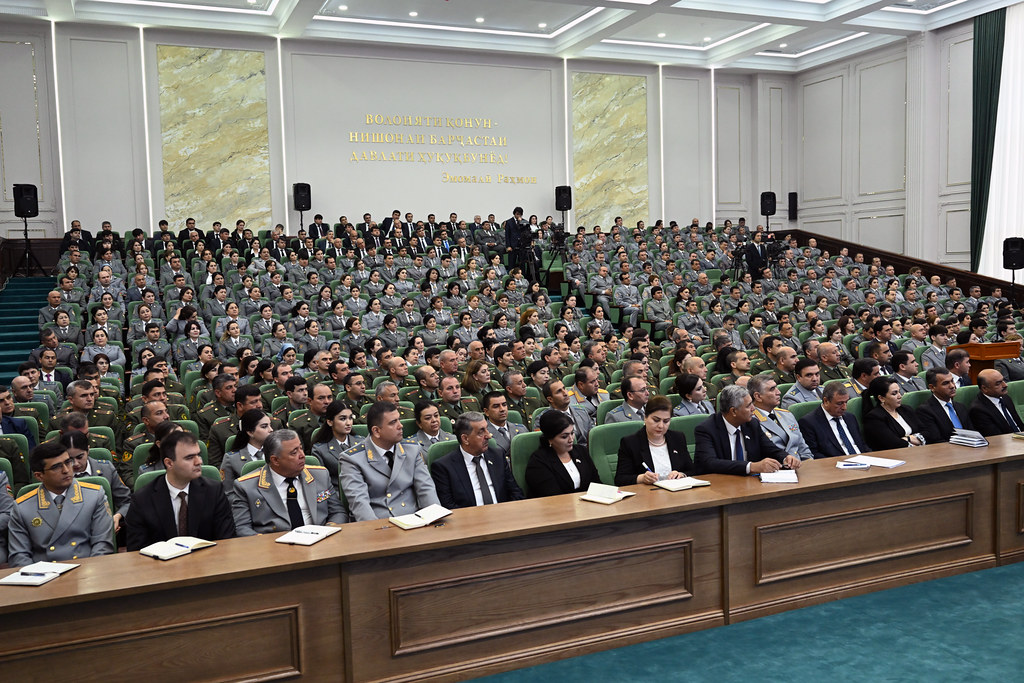
The head of state noted that the history of justice bodies is closely linked to the centuries-old history of Tajik statehood. He recalled that the ancestors of the Tajik people laid the foundations of statehood, the rule of law, legal culture, and justice thousands of years ago.
Emomali Rahmon paid special attention to the historical legacy of Kurush the Great, the founder of the Achaemenid Empire. According to the president, Kurush Kabir occupies a special place in world history as a symbol of justice, tolerance, respect, and the protection of human rights. The head of state also noted that the UNESCO resolution "Manifesto of Kurush Kabir: The First Declaration of Human Rights and Cultural Diversity," adopted at Tajikistan's initiative, confirms the significance of this historical legacy and is a source of national pride.
The President recalled that, since independence, the country has been undergoing extensive legal reform aimed at strengthening statehood and improving the national legal system. He stated that this process is ongoing and remains a priority of state policy.
As Emomali Rahmon noted, over the years of independence, the Government of Tajikistan has constructed modern justice buildings in 33 cities and districts of the country, and five more administrative buildings have undergone major renovations and reconstruction, creating modern working conditions.
The head of state also emphasized the importance of implementing modern technologies in the work of justice agencies. Among the key areas, he cited the development of an e-government system, the creation of centralized information and legal databases, the digitalization of government services, and the improvement of notary services and civil registration authorities. According to him, these measures contribute to increased transparency in government agencies, expand public access to government services, and strengthen social justice.
The President noted that justice agencies play a vital role in raising the public's legal literacy and fostering a legal culture in society. He emphasized that the rule of law is the foundation of state stability, a guarantee of social justice, and one of the most important conditions for a peaceful and prosperous life for citizens.
In this regard, the Ministry of Justice has been instructed to intensify efforts to raise the level of legal awareness among the population and to identify this area as one of its main priorities.
During his speech, Emomali Rahmon analyzed the current state of the industry and the activities of justice agencies, emphasizing the need to address existing shortcomings. Particular attention was paid to improving the quality of draft regulatory legal acts submitted to the government for review.
The President instructed the Ministry's leadership to take measures to improve the professional level of its employees and implement modern approaches to the development of draft regulatory legal acts.
The need to address the shortage of qualified specialists in the field of international law, as well as in the area of registration and monitoring of the activities of public associations, was separately noted.
The head of state instructed that efforts to educate the public on legal matters be intensified, including through on-site meetings, and that additional measures be taken to improve citizens' legal knowledge and assist in resolving emerging legal issues.
The Main Directorate for the Execution of Criminal Punishments has been instructed to comprehensively improve the internal control system, operational activities, personnel management, and the psychological well-being of employees and inmates, strengthen measures to prevent the introduction of prohibited items into correctional facilities, and ensure strict adherence to the rule of law.
The President also recalled that, in the run-up to the 35th anniversary of Tajikistan's independence, the Law of the Republic of Tajikistan "On Amnesty" was adopted, which will allow a number of convicted individuals to return to their families and start a new life. In this regard, the leadership of the Main Directorate for the Execution of Criminal Punishments has been instructed to ensure the correct, objective, and impartial application of the law, eliminating any instances of corruption.
In conclusion, Emomali Rahmon instructed that work continue to further improve the country's legal system, develop modern technologies, and digitalize public services, with a particular focus on notarial activities, civil registration, and improving the quality of legal services.
The President also emphasized the need for continuous professional development of justice officials, the study of international law, and proficiency in two foreign languages.
The head of state called on justice officials to serve the people of Tajikistan with high responsibility and dedication.
Following the speech, a question-and-answer session was held with Justice Minister Muzaffar Ashuriyon and the heads of several ministries and agencies. Following the meeting, Emomali Rahmon gave them specific instructions and recommendations.