Translated with AI

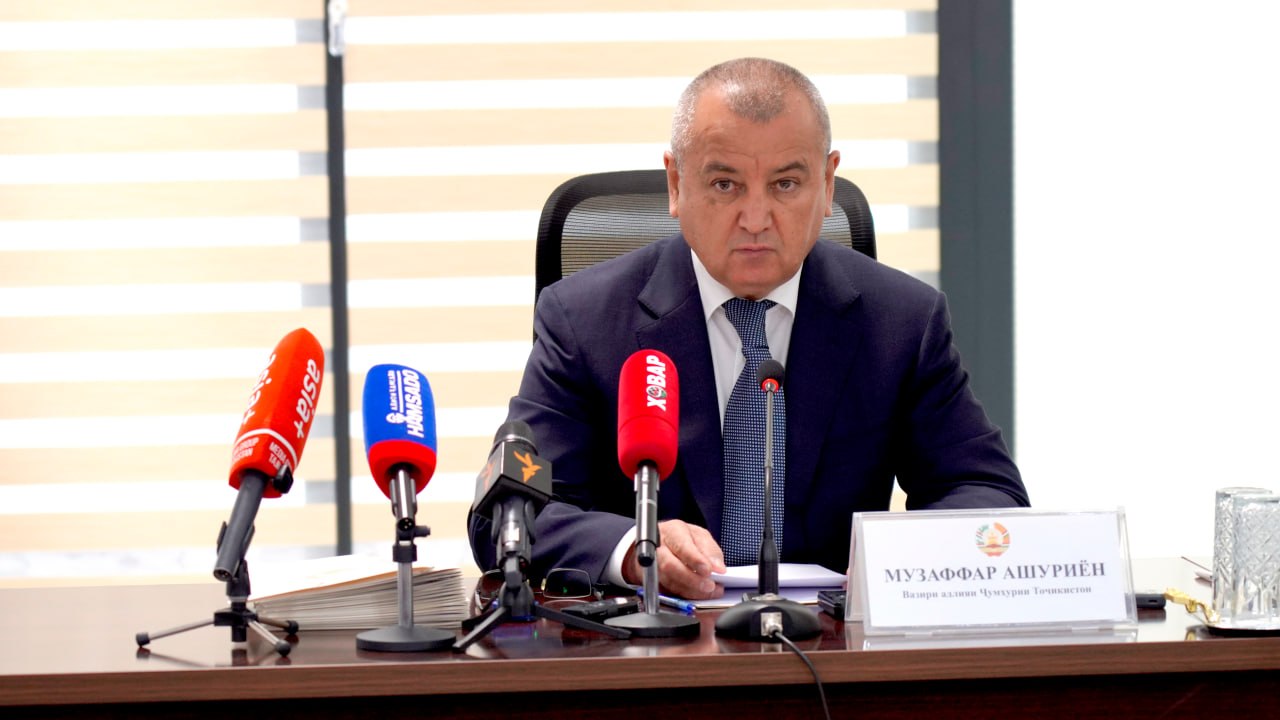
















The Agency for Supervision of Education and Science under the President of the Republic of Tajikistan terminated the licenses of the educational centers of the University of Central Asia's School of Professional and Continuous Education, as well as their branches in Dushanbe, Khujand, Bokhtar, and Kulyab, in the first half of 2026. This was announced at a press conference dedicated to the agency's performance for the first six months of this year.
As noted by the Agency, the decision to terminate the licenses was made by the agency’s board on February 28, 2026 (decision No. 3/9) due to the violation of the requirements of Article 27 of the Law of the Republic of Tajikistan “On the Permit System.”
The agency explained that the law requires mandatory compliance with licensing requirements and conditions when conducting educational activities. If violations are detected, the state agency has the right to terminate the license.
As a result of the decision, the educational centers of the School of Professional and Continuing Education of the University of Central Asia, as well as their branches located in Dushanbe, Khujand, Bokhtar, and Kulyab, ceased educational activities.
Furthermore, during the reporting period, the Agency's board decided to terminate the educational activities of another organization. This organization is Imkon-M, a limited liability company located in the Bobojon Gafurov district of the Sughd region.
According to the Agency, the educational institution's activities were terminated at the request of its founder. The reason was the lack of financial capacity to pay rent for the premises where the educational process took place. The corresponding decision was made by the Agency's board on June 26, 2026 (Decision No. 8/68).
The department emphasized that the closure of Imkon-M LLC is not due to a decline in the quality of the educational process, but is due to economic reasons and the impossibility of the institution's continued operation.
The Agency noted that state oversight of educational institutions includes not only an assessment of the quality of education, but also ongoing monitoring of compliance with legal requirements, licensing conditions, and regulations governing the activities of educational organizations.
According to the Agency, from January to June of this year, 240 issues related to the licensing of educational institutions were reviewed, 60 more than in the same period last year. In addition, the board reviewed 22 issues related to license renewals and five issues related to the termination or suspension of licenses.
In total, the Agency's board held eight meetings in the first half of the year, reviewing 1,292 issues, including state certification, accreditation, licensing, and education quality control. Appropriate decisions were made on each issue in accordance with legal requirements.
The Agency noted that it will continue monitoring educational institutions' compliance with licensing requirements. The agency intends to continue taking action against organizations that violate legal requirements to ensure the quality of educational services and protect the interests of students.