Translated with AI












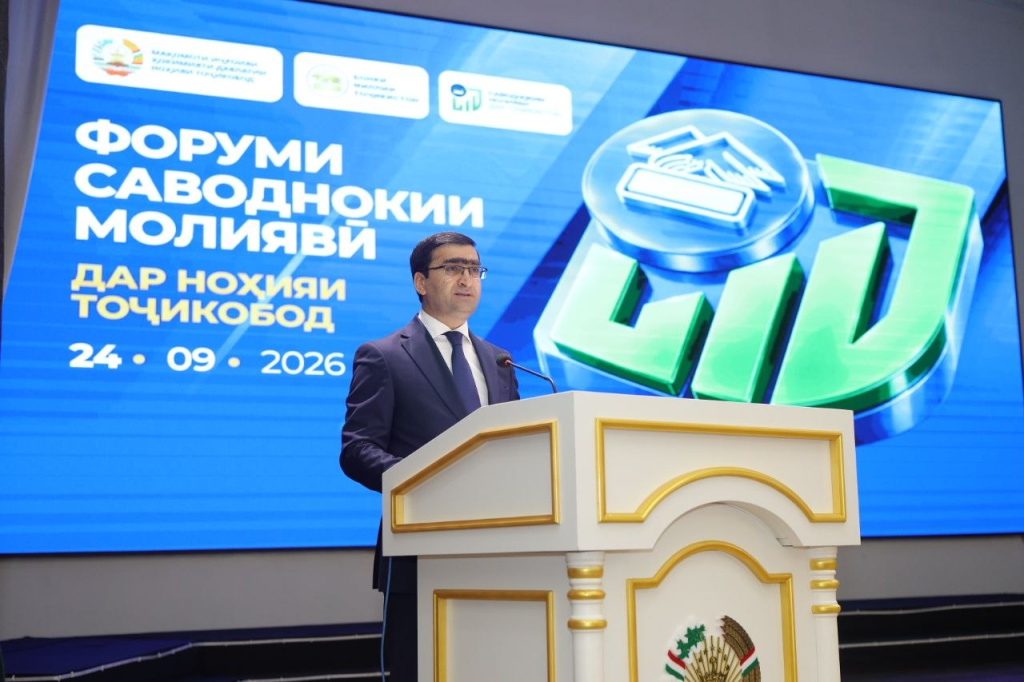




















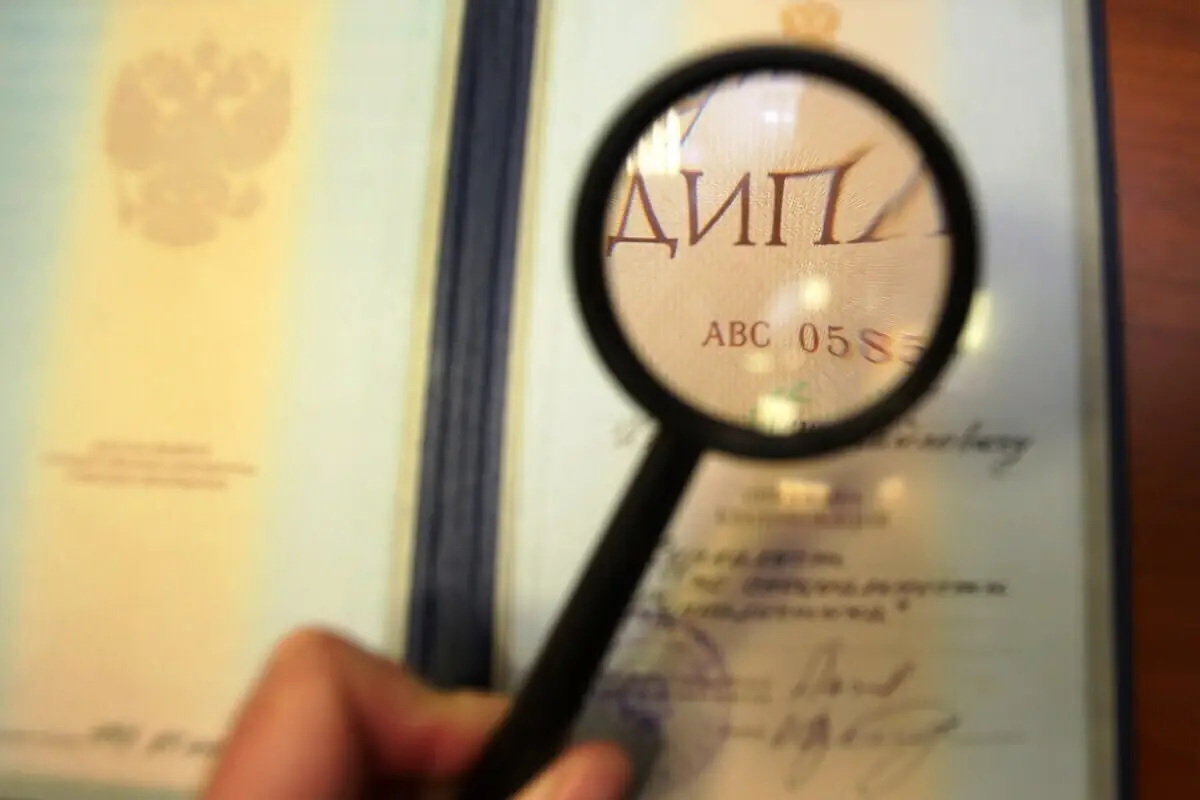
In the first half of 2026, the Agency for Supervision of Education and Science under the President of the Republic of Tajikistan identified 15 counterfeit foreign educational documents submitted for recognition and equivalence. This was announced at a press conference summarizing the agency's activities for the first six months of this year.
According to the Agency, the forged documents were discovered during an examination of diplomas and certificates submitted by citizens for official recognition in Tajikistan. The examination was conducted using confirmations from relevant ministries and agencies of foreign countries, responses from educational institutions, and reports from the Agency's relevant departments.
Among the discovered counterfeit documents, two diplomas were for higher professional education in medical specialties. In addition, experts discovered ten fake bachelor's degree diplomas in various fields of study, one secondary vocational education diploma, and two general education diplomas.
The Agency noted that recognition of foreign educational documents is a mandatory procedure for citizens who have received an education abroad and intend to continue their studies, find employment, or confirm their qualifications in Tajikistan. Therefore, each application undergoes a comprehensive review aimed at confirming the authenticity of the submitted documents.
From January to June of this year, the Agency received 456 requests related to the recognition and equivalence of foreign educational documents. Of these, 417 requests were from individuals, and 39 were from legal entities. Compared to the same period last year, the number of requests increased by 183, demonstrating the growing number of citizens studying abroad and seeking official recognition of their diplomas.
Following document review and receipt of the necessary confirmations from the competent authorities, 367 requests were approved, including 337 from individuals and 30 from legal entities. Decisions were made based on official responses from educational institutions, relevant ministries and agencies, as well as expert opinions from Agency specialists.
The agency emphasized that identifying counterfeit diplomas remains a key focus in ensuring education quality and protecting the labor market. The use of counterfeit documents can lead to individuals lacking the necessary knowledge and qualifications being admitted to professional activities, especially in socially significant fields such as healthcare, education, and engineering.
The report places particular emphasis on the discovery of counterfeit medical diplomas. The Agency notes that monitoring the documents of medical specialists is crucial, as the health and safety of citizens directly depend on their level of training.
The agency continues to collaborate with foreign educational institutions and government agencies to verify the authenticity of documents and is also improving mechanisms for recognizing foreign qualifications. The agency assured that all applications undergo a mandatory multi-stage review, and that efforts to identify counterfeit documents will continue in the second half of the year.
According to experts, strengthening controls over the recognition of foreign diplomas helps increase trust in the education system, ensures compliance with uniform requirements for specialist qualifications, and prevents the use of forged documents when applying for employment and further education.