Translated with AI















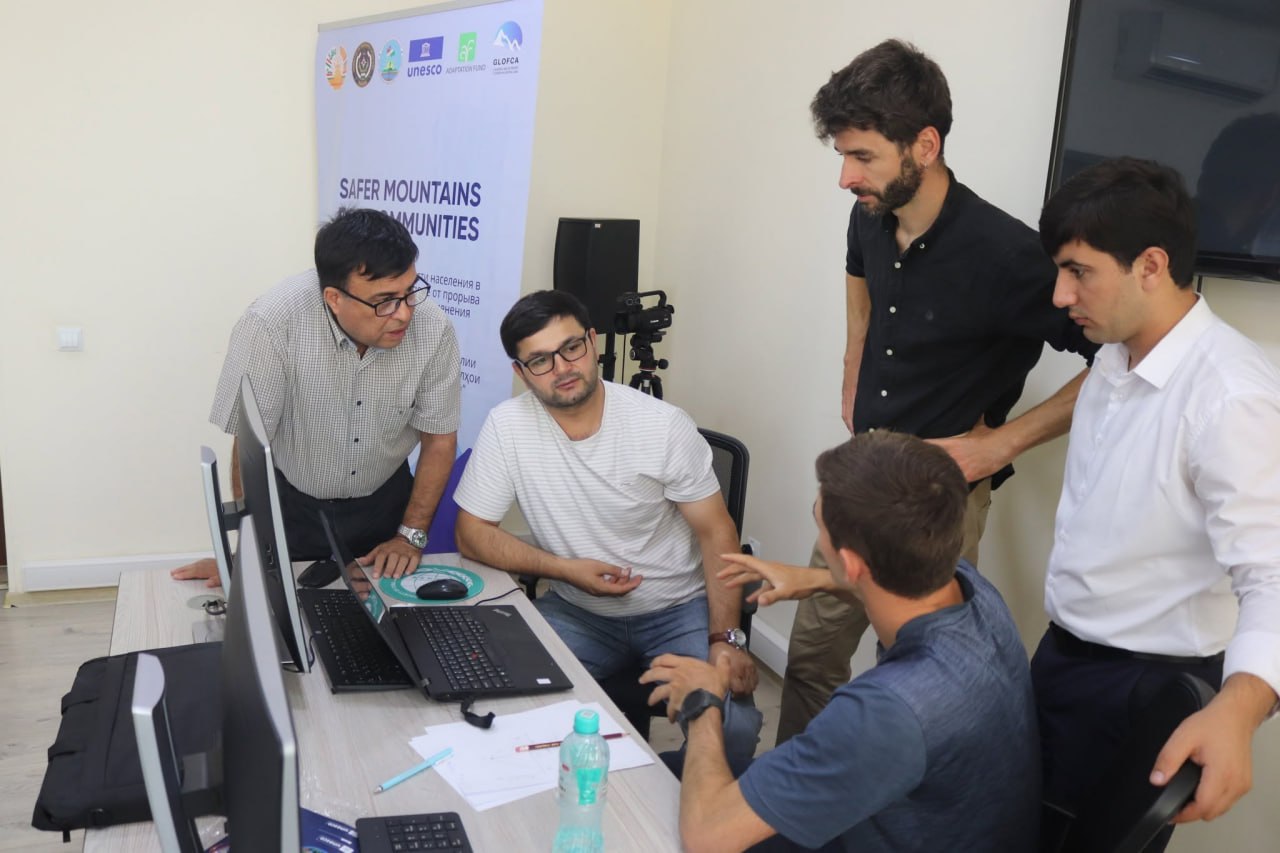
















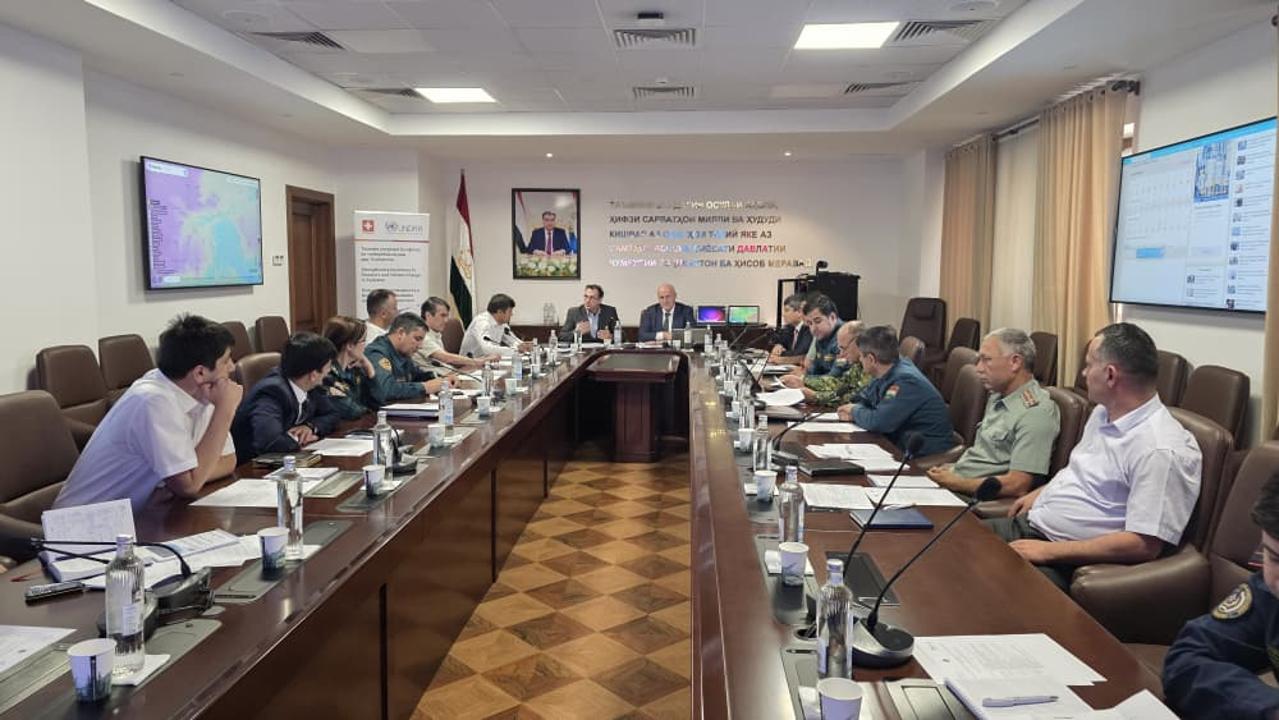
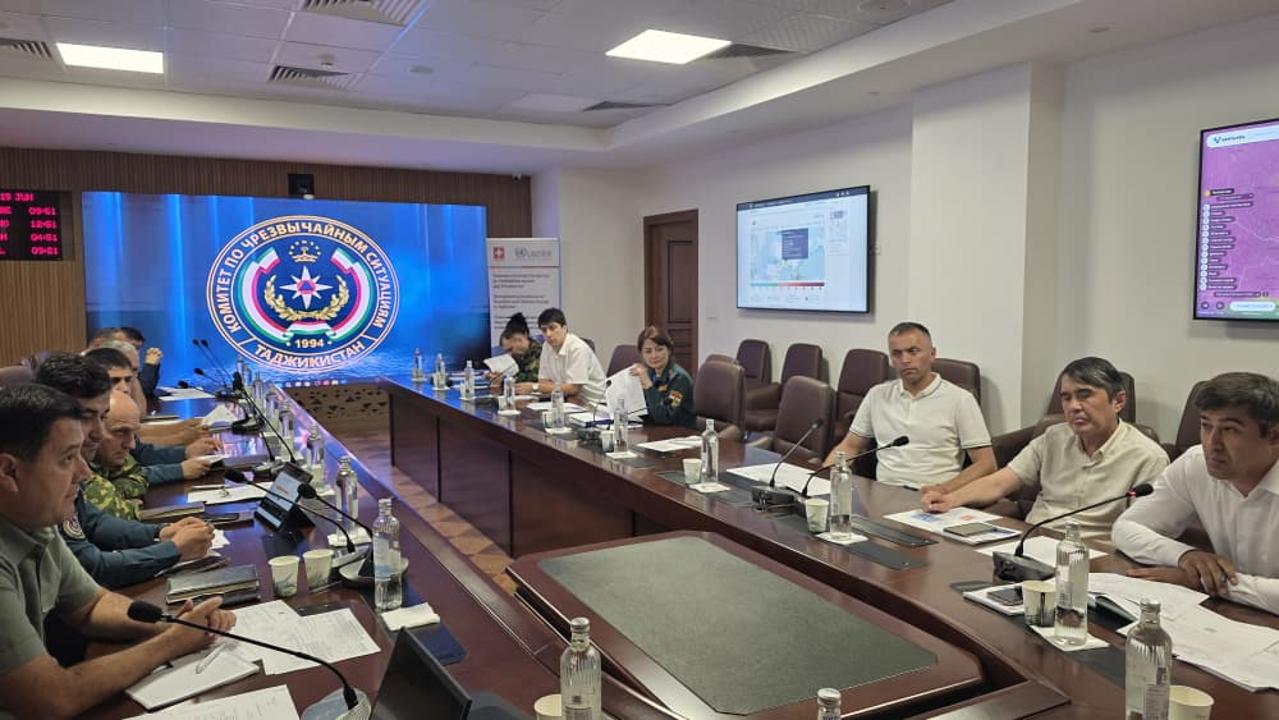
A technical training on the implementation and practical use of the DELTA Resilience disaster loss and damage accounting system was held in Dushanbe. The event was organized by the Committee of Emergency Situations and Civil Defense under the Government of the Republic of Tajikistan jointly with the United Nations Office for Disaster Risk Reduction, according to the Tajikistan Emergency Situations Committee.
The seminar was held at the Crisis Management Center of the Emergency Situations Committee and was part of the country's transition to the full digitalization of disaster risk data.
Participants in the training included operators, IT administrators, and data analysts from the Emergency Situations Committee, the Statistics Agency, and the Agency for Innovation and Digital Technologies. The main goal of the training was to strengthen institutional capacity in modern disaster risk management.
During the training, specialists learned how to navigate the DELTA Resilience system, its deployment options, user access levels, and the practical application of the software's core modules.
Participants also completed practical training on modern data entry protocols. Particular attention was paid to the creation, linking, and technical editing of records on natural hazards and emergencies.

One of the key training topics was ensuring the compliance of DELTA Resilience software with the updated national statistical reporting system – Form 1-ЧС.
Experts worked on procedures for entering data on damage and losses from disasters, focusing on requirements for disaggregating information to assess specific anthropogenic and sectoral consequences of emergencies.
The program also included data analysis and visualization tools. This is expected to enable national specialists to transform field data into risk maps and statistical dashboards for decision-making.
During the discussions, participants considered the possibilities of institutionalizing DELTA Resilience within the Emergency Situations Committee and the prospects for its implementation throughout the country as a unified interagency system for tracking disaster losses.
Participants believe this approach will strengthen interagency coordination, eliminate duplication of functions, and create a scientifically sound basis for protecting the population and critical infrastructure.
It is noted that the implementation of the system is in line with the objectives of the recently adopted Action Plan for 2026–2028 of the Medium-Term State Program for the Protection of Population and Territories from Emergencies for 2023–2028.
The plan aims to implement the National Strategy of the Republic of Tajikistan for Disaster Risk Reduction and provides for the modernization of the statistical system for recording emergency situations to accelerate the pace of risk reduction throughout the country.
The training was organized by the Committee on Emergency Situations with the support of the joint project of the United Nations Office for Disaster Risk Reduction and the Government of Switzerland, “Strengthening Resilience to Disasters and Climate Change in Tajikistan.”