Translated with AI








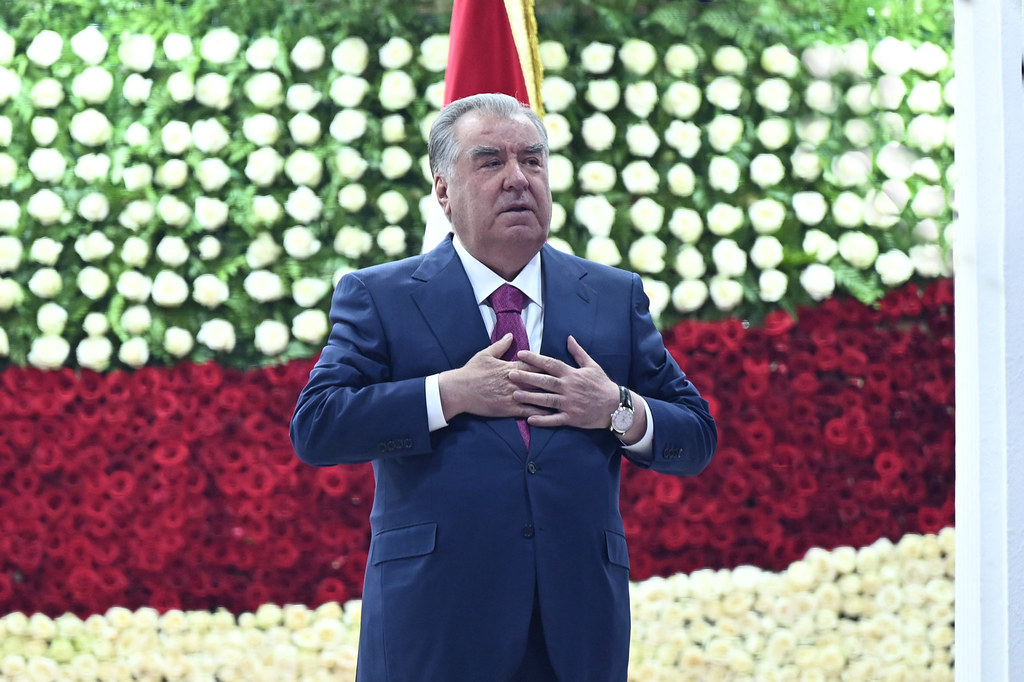








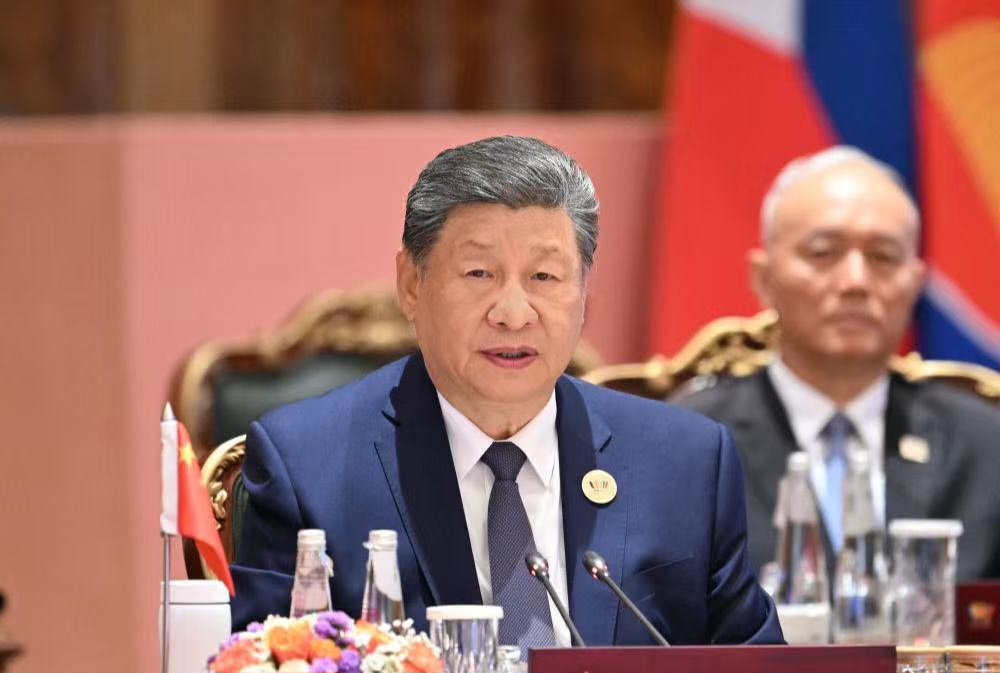
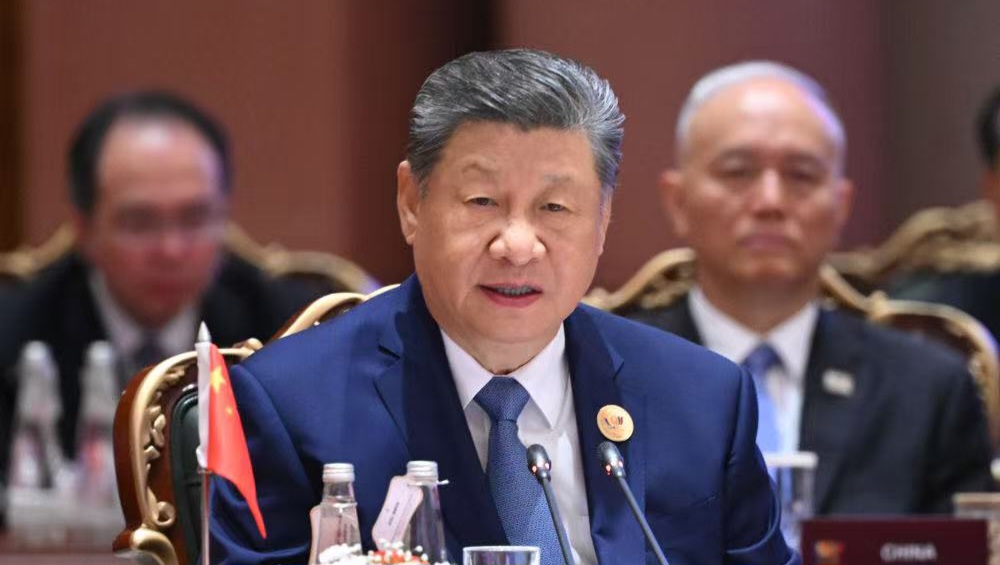






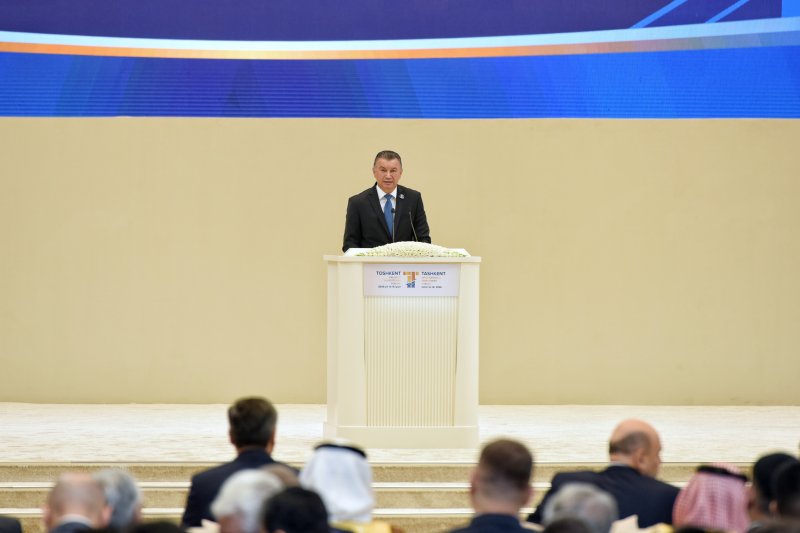
Tajikistan and Uzbekistan intend to increase their mutual trade turnover to $2 billion by 2028. This was announced by Tajik Prime Minister Kokhir Rasulzoda, speaking at the opening of the 5th Tashkent International Investment Forum (TIIF 2026).
According to the head of government, the significant strengthening of cooperation between the two countries was made possible by the political will and consistent policies of the presidents of Tajikistan and Uzbekistan, Emomali Rahmon and Shavkat Mirziyoyev. Rasulzoda noted that in recent years, relations between the two countries have reached a qualitatively new level, and borders have become not a barrier, but an opportunity for developing partnerships and implementing major joint projects.
The Prime Minister emphasized that in a relatively short period, mutual trade between Tajikistan and Uzbekistan has grown from $70 million to $1 billion. The two governments have now set a goal of increasing this figure to $2 billion by 2028.
Rasulzoda also reported a significant increase in road freight traffic between the two countries. According to him, the volume of such shipments has increased 100-fold.
The Prime Minister also focused on the development of investment cooperation. He noted that 530 joint ventures are currently operating, and their number is growing annually. He added that this has created hundreds of thousands of new jobs and contributed to improving the standard of living of the people in both countries.
Currently, more than 130 enterprises with Uzbek capital operate in Tajikistan. In turn, over 410 companies with Tajik investment operate in Uzbekistan. Rasulzoda emphasized that the partnership between the two countries has reached a new qualitative level. He cited the implementation of investment projects in Uzbekistan by the Tajik private sector, totaling approximately $2 billion, as one of the most illustrative examples of this.
The head of government also discussed Tajikistan's economic performance. He stated that by the end of 2025, the country's gross domestic product growth was 8.4%, and in 2026, the economy will maintain growth at around 8%.
Rasulzoda also reported that last year Tajikistan attracted nearly $7 billion in foreign investment, a 35% increase over the previous year. Investment from CIS countries increased by 54%, while investment from non-CIS countries grew by more than 23%.
Speaking about the country's advantages for investors, the Prime Minister highlighted the environmental component of the Tajik economy. According to him, approximately 98% of the country's electricity is generated by hydroelectric power plants, placing Tajikistan among the world's six leaders in this area.
Rasulzoda stated that the republic plans to reduce its carbon footprint to zero by 2032. He believes that, given the tightening environmental requirements in global markets, this creates additional opportunities for investors interested in producing products with a fully green certification.
The 5th anniversary Tashkent International Investment Forum opened in the capital of Uzbekistan on June 16. The event brought together representatives of business, government agencies, and international financial institutions. The organizers see the forum as a platform for developing investment cooperation, expanding international contacts, and strengthening Uzbekistan's integration into global production and investment chains.