Translated with AI



























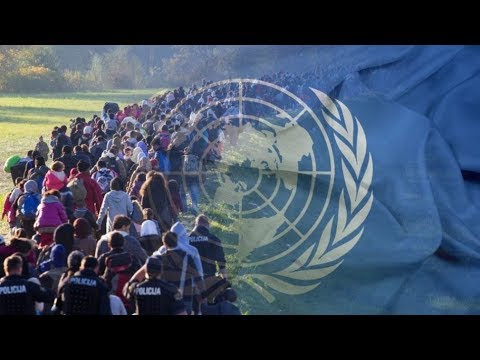
According to the Office of the United Nations High Commissioner for Refugees, at the beginning of 2026, there were 118 million people worldwide forced to flee their homes due to persecution, armed conflict, violence, and human rights violations, the Organization's press service reported.
According to the organization's report, one in 70 people on the planet is currently forcibly displaced. Moreover, the number of people who have left their homes has decreased for the first time in the past decade. Compared to the previous period, the figure has decreased by 5.4 million people, or 4%.
The UN notes that the main reason for the decline is the increasing number of people returning to their home countries despite ongoing crises. Examples cited include Afghanistan, the Democratic Republic of the Congo, Sudan, and Syria.
Of the total number of internally displaced persons, 35.6 million have refugee status, and 68.7 million are classified as internally displaced persons.
At the same time, the number of people awaiting decisions on their asylum applications continues to grow. As of early 2026, the number of asylum seekers increased by approximately 645,000, reaching almost 9 million.
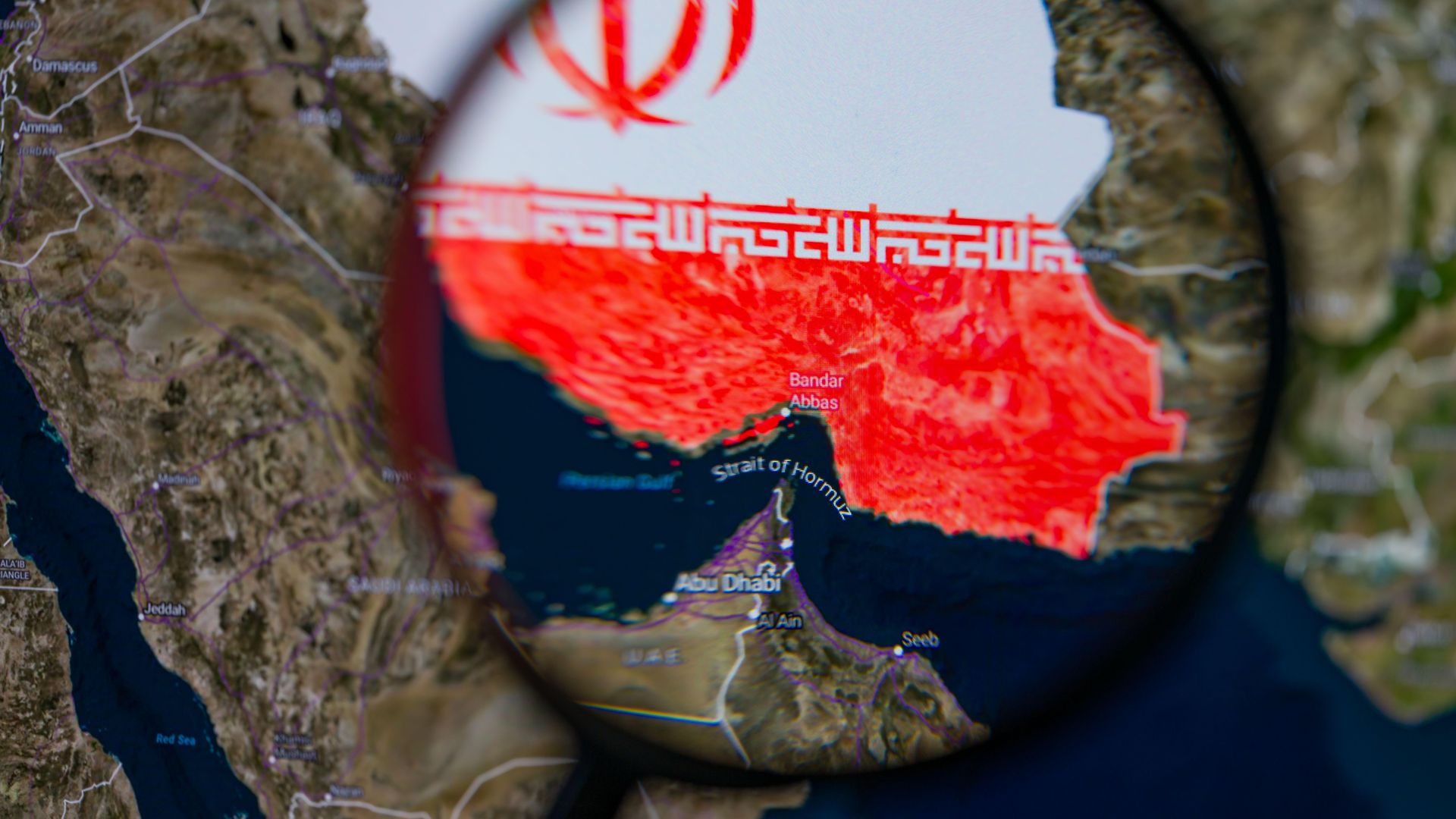
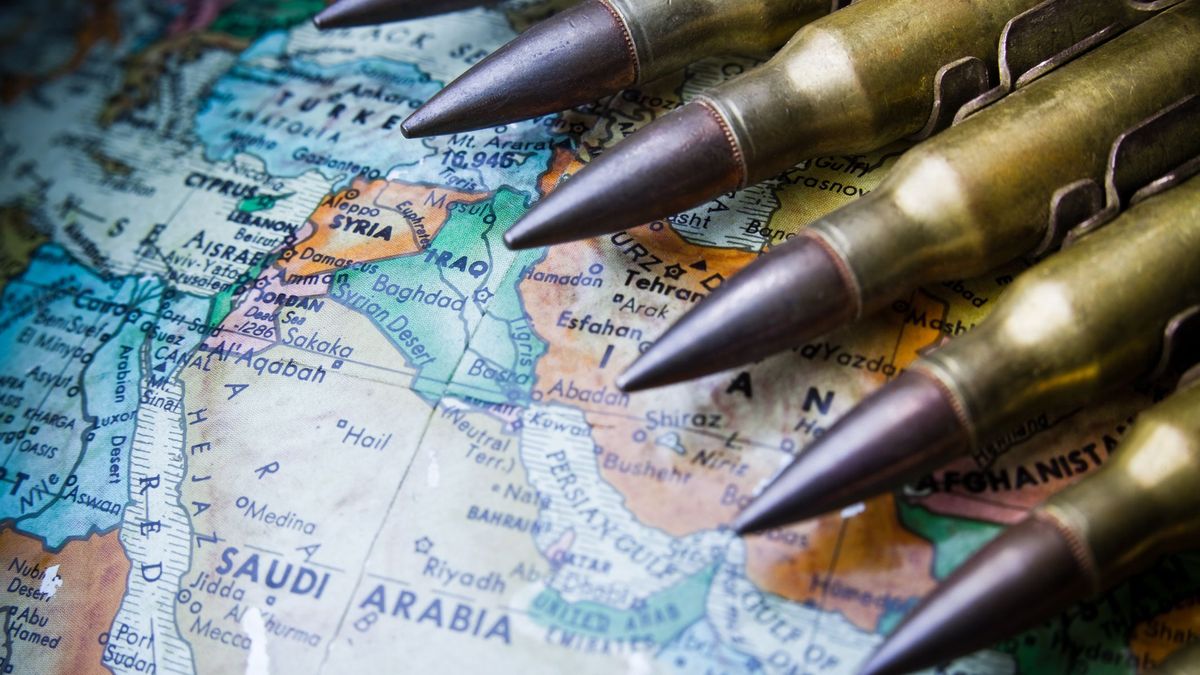
The report emphasizes that the statistics do not account for migration flows in the first months of 2026, including those related to the US and Israeli war against Iran. They also do not include people displaced by natural disasters, climate change, or financial hardship.
According to the UN, nearly seven out of ten displaced people have been refugees for five years or more. UN High Commissioner for Refugees Barham Saleh expressed concern about this trend and called for a change in approaches to addressing the issue.
He said people forced to flee wars and persecution need to be given new hope and prospects for the future.