Translated with AI





























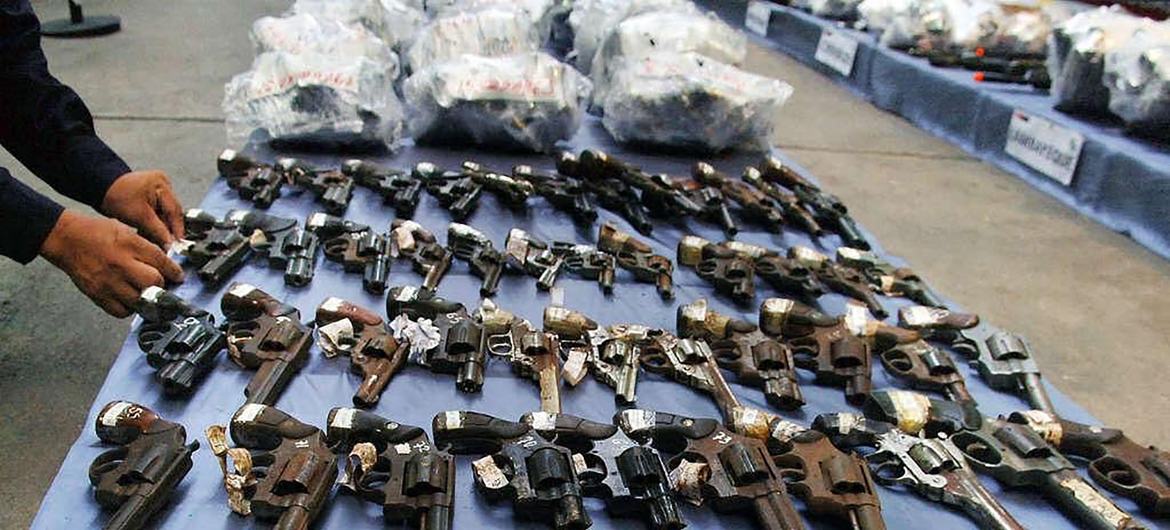
Years after armed conflicts end, weapons used in them often continue to proliferate, cross borders, fuel crime, and undermine peacebuilding efforts. This was stated by participants in discussions taking place this week at UN headquarters in New York.
One of the main topics of discussion was the proliferation of illegal firearms and new challenges associated with the development of modern technology. Experts warn that the emergence of 3D-printed weapons, as well as the sophistication of smuggling networks, significantly complicate the work of law enforcement agencies and government agencies.
UN High Representative for Disarmament Affairs Izumi Nakamitsu noted that the end of a war does not mean the end of arms trafficking. According to her, weapons used in conflicts often end up uncontrolled, stored in caches for many years, and often smuggled across borders, continuing to pose a threat to the population.
Of particular concern are so-called "ghost" weapons, which are assembled from individual parts and lack serial numbers. This makes it extremely difficult for law enforcement to track their origin and movement. Further complications are created by the development of 3D printing technologies, which make it possible to manufacture individual components, and in some cases, fully functioning weapons, outside of traditional manufacturing and control systems. Experts believe the availability of such technologies increases the risk of further proliferation of illegal weapons.
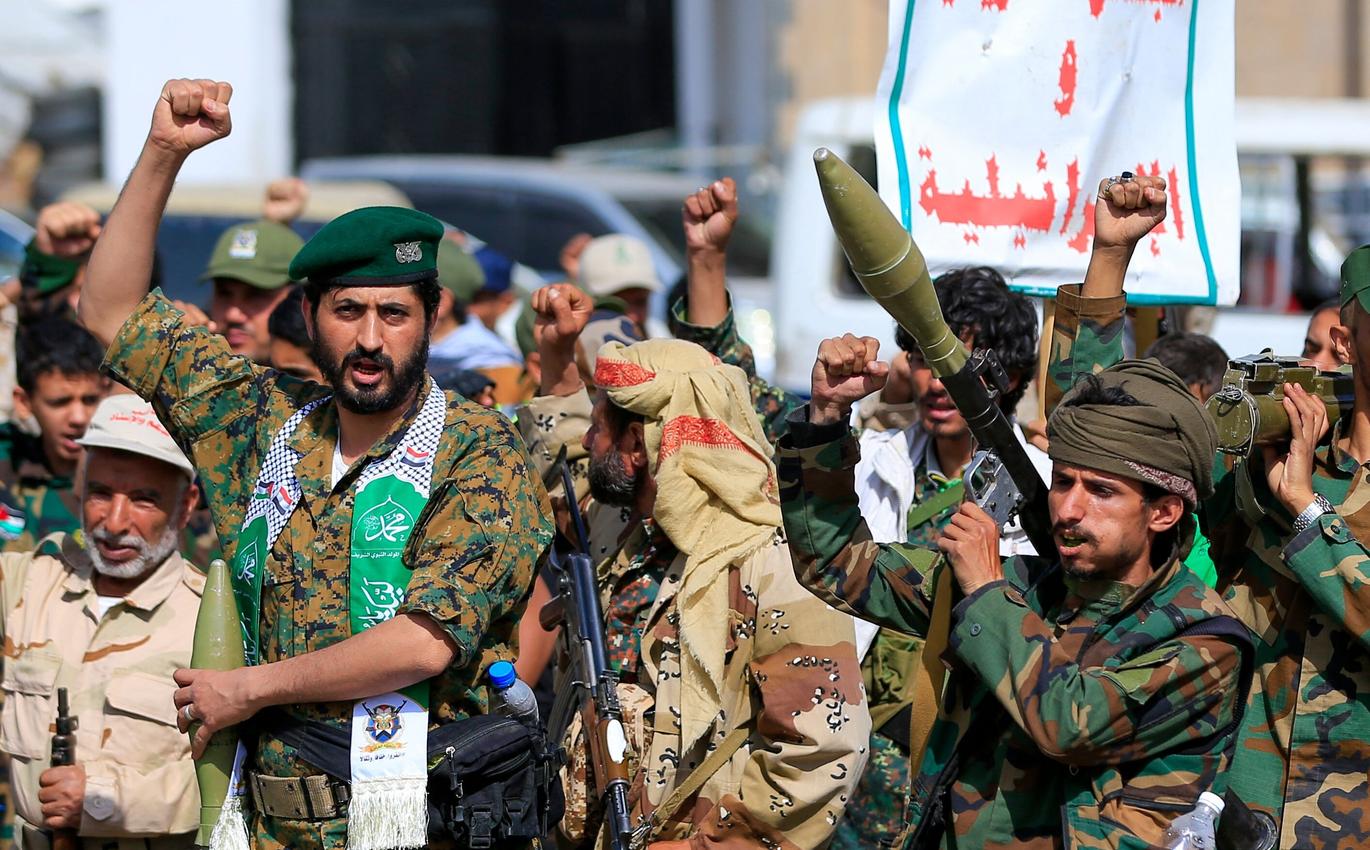
During the discussions, it was also noted that small arms, including pistols, revolvers, and submachine guns, can be used by a single person. Light weapons, including grenade launchers, machine guns, and portable anti-aircraft or anti-tank systems, are operated by small crews. Due to their relative affordability, durability, and ease of use, such weapons can remain in use for decades.
The discussion participants cited the situation in Libya as one of the most illustrative examples. After the 2011 conflict, weapons from looted arsenals spread across countries in the Sahel region, including Niger, Burkina Faso, and Nigeria. A significant portion of these weapons subsequently ended up in the hands of extremist groups.
According to Izumi Nakamitsu, weapons continue to harm people even after conflicts end. In Latin America and the Caribbean, illicit firearms are closely linked to organized crime and high homicide rates. According to UN estimates, in some parts of the region, firearms account for 70 to 80 percent of all violent deaths.
In sub-Saharan Africa, the proliferation of small arms also remains a serious problem. Even years after the active phase of conflict has ended, the presence of weapons in the hands of armed groups and vigilante groups creates the risk of renewed violence.
The UN emphasizes that the consequences of illicit arms trafficking extend far beyond armed conflict. It contributes to human rights violations, the spread of terrorism, and sexual and gender-based violence.
To counter these threats, UN member states adopted a Programme of Action in 2001, which calls for strengthening national legislation, improving the security of weapons depots, combating illicit arms trafficking, and expanding international cooperation.
Another important step was the adoption in 2005 of an international monitoring mechanism that established global standards for marking, registering, and tracing illicit weapons. This system allows for the identification of weapons' origins and their routes to illicit markets.
As the UN recalled, former Secretary-General Kofi Annan called small arms "true weapons of mass destruction" due to the huge number of deaths and injuries associated with their use.
According to Izumi Nakamitsu, reducing the scale of illegal arms trafficking would contribute to increased security in many countries around the world. She emphasized the need for effective oversight and regulation in this area, noting that such measures would make people's lives safer and more peaceful.