Translated with AI

































The everyday skills familiar to older generations are gradually becoming a thing of the past. More than half of today's teenagers and young adults can't tell time on a regular watch, and one in two encounters difficulties when trying to change a burnt-out light bulb, Tengri Life reports, citing Gazeta.
This is the conclusion reached by a Sunlight study. Analysts examined how young people's everyday skills are changing and the consequences of the digitalization of everyday life.
What Millennials Can Do That Zoomers Forget According to the study, parents most often note difficulties with seemingly basic skills in teenagers and young adults. Here are the top "lost skills," according to the older generation:
86 percent – ability to navigate the city without mapping applications; 73 percent – knowledge of the multiplication table and the ability to count in one’s head; 70 percent – counting paper money and change when paying in cash; 54 percent – the ability to tell time using a clock; 49 percent – the ability to screw in a light bulb on their own; 31 percent – the ability to distinguish a duvet cover from a sheet; 24 percent – understanding what a "ring" is. What do the older generation and zoomers themselves think? The survey revealed a noticeable gap in perception of the problem.
87 percent of adults believe the generation gap is becoming increasingly noticeable. Young people, however, are more receptive: only 18 percent of Zoomers are surprised that their peers don't know what was once considered basic.
Interestingly, zoomers themselves assess their difficulties a little differently:
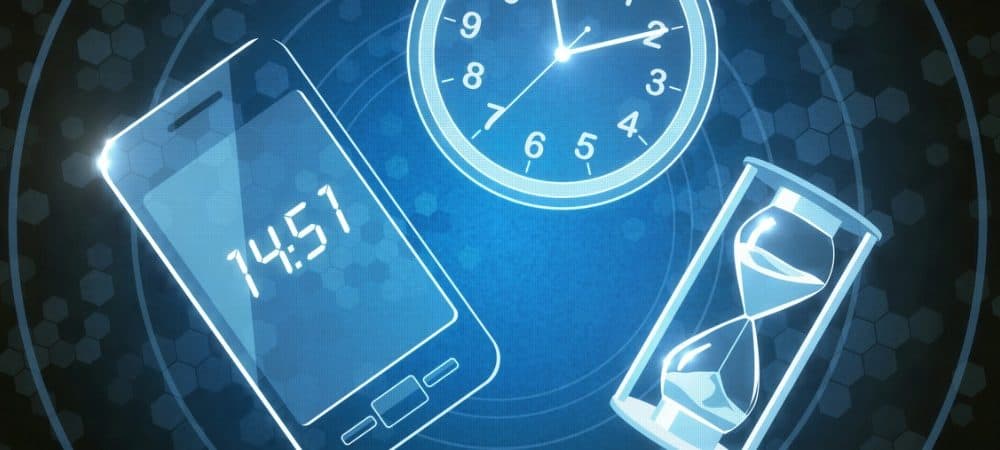
75 percent find it difficult to handle cash and change; 68 percent – orientation without maps and navigators; 49 percent – reading a watch dial; 45 percent – knowledge of the multiplication table; Only 17 percent can confidently distinguish a duvet cover from a sheet. Classic watches with dials haven't disappeared from young people's lives. But their role has changed. Now they're more often an accessory and a style element than a time-telling tool. For accuracy and convenience, people still turn to their smartphones.
How Zoomers Learn Everyday Things According to the study, the channels for obtaining everyday knowledge today are distributed as follows:
The Internet (62 percent) is the main source of instructions, text guides, and video tutorials; neural networks and artificial intelligence (46 percent) – almost half of young people turn to them for quick answers; parents (42 percent) – moved only to third place in popularity; immediate relatives (31 percent) – grandparents and older sisters/brothers; School (18 percent) – Life Safety, Fine Arts, and Handicrafts classes provide practical skills for adult life to only one in five teenagers. Analysts noted that digital tools are gradually replacing traditional methods of imparting experience. Learning is becoming faster and more convenient, but it is increasingly less connected to hands-on practice and the transmission of skills through family lines.
Experts previously stated that Zoomers have split into subgenerations with different political and cultural orientations. The study found significant differences in trust in brands, media, and opinion leaders.