Translated with AI









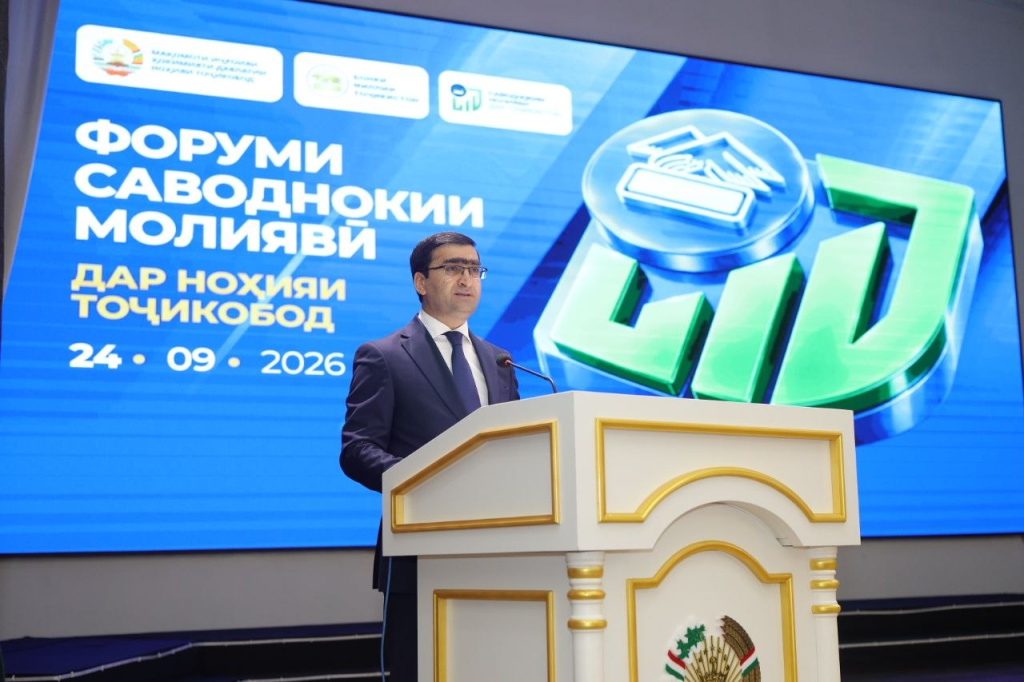

















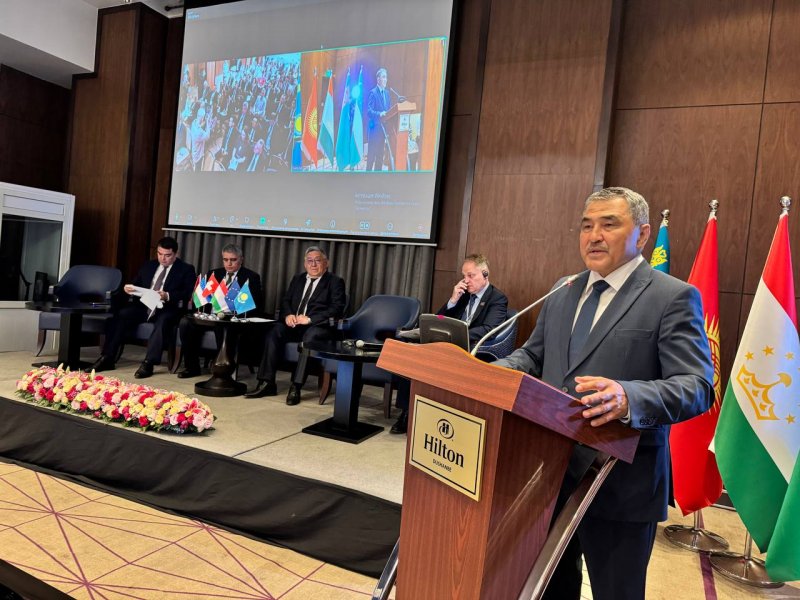
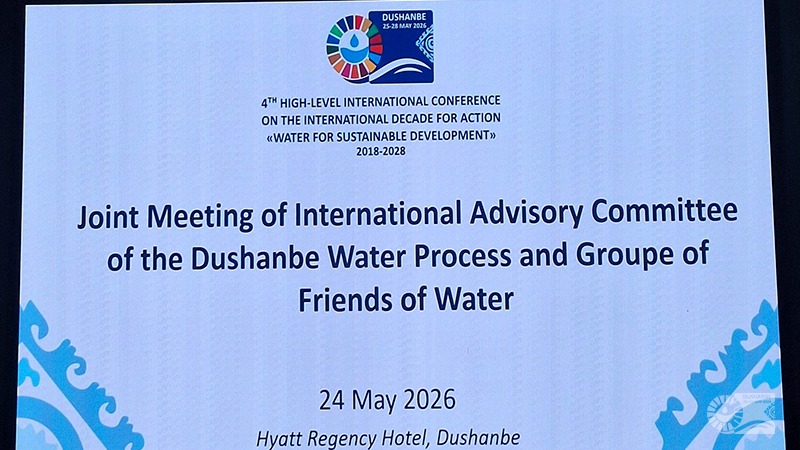
The forum "Prospects for Transboundary Cooperation: Innovations and Actions in Water Resources for Sustainable Development" is taking place in Dushanbe, reports NIAT Khovar.
The international forum demonstrates how practical cooperation at the river basin level can help countries effectively respond to the growing pressure on transboundary water resources in Central Asia.
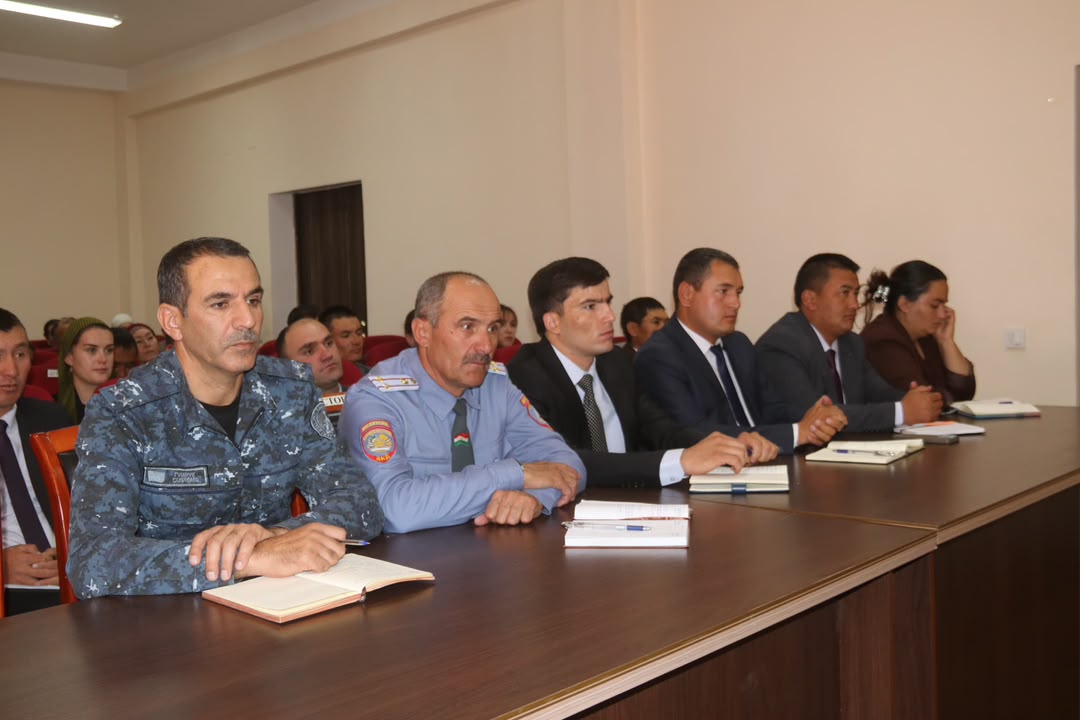
The event is attended by water ministers from Central Asian countries, representatives of the European Union, the World Bank, and the United Nations, as well as scientists, river basin management specialists, and public policy experts.
As noted by forum participants, its goal is to create a high-level platform for expert dialogue on practical transboundary water cooperation, as well as to showcase regional and international experience in using scientific tools and digital solutions to strengthen cooperation and enhance climate resilience.
Participants emphasized the need to strengthen the capacity of government agencies and river basin management organizations to make decisions based on data and science-based approaches.
The first session of the forum, which includes a high-level ministerial panel, will examine the national strategies of Central Asian states for transboundary basin management, with a focus on climate change adaptation measures, digitalization, and the role of basin organizations.
In the second panel, participants plan to discuss how Central Asia's experience in transboundary water cooperation can contribute to the global water agenda, including the 2026 UN Water Conference, the 11th World Water Forum, and the World Bank's Water Forward initiative.
The panel will focus on scientific cooperation, shared data, legal and institutional mechanisms, financing for water security, drought resilience and inclusive governance.
As forum participants noted, transboundary river basins provide nearly 60% of the world's freshwater. However, many intergovernmental institutions responsible for their management still lack the necessary tools to translate political agreements into coordinated practical action.
Despite the expansion of the legal framework for cooperation, countries continue to face challenges in data exchange, coordination of basin planning, and joint responses to climate risks.
Central Asia, where glaciers are shrinking, droughts are intensifying, and major river systems cross the borders of several countries, is becoming a testing ground for new approaches to regional water cooperation.
Through digital platforms, climate analytics, river basin modeling, and joint monitoring systems, countries in the region are beginning to develop more transparent and data-driven mechanisms for managing shared resources.
The Dushanbe forum provided a platform to showcase these efforts and discuss how practical cooperation can contribute to strengthening water security, climate resilience, and stability in Central Asia.