Translated with AI
































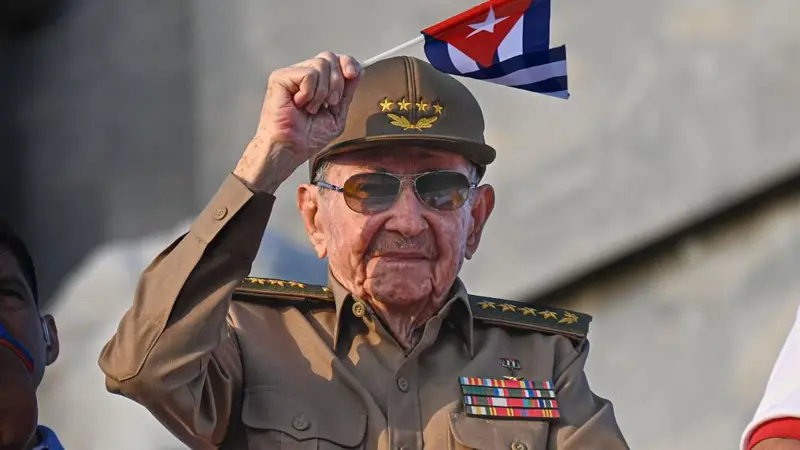
US authorities have formally charged former Cuban leader Raul Castro with conspiring to murder US citizens in connection with the 1996 incident in which Cuban forces shot down two Brothers to the Rescue planes, the BBC reports.
Acting US Attorney General Todd Blanche said at a press conference in Miami that Washington expects Raul Castro to voluntarily come to the US or be delivered by other means for detention.
The charges stem from the events of February 1996, when Cuban fighter jets destroyed two planes belonging to the humanitarian organization Brothers to the Rescue, killing four people.
According to the American side, Raúl Castro, then Cuba's Minister of the Armed Forces, is accused of shooting down the planes and committing four murders. Five Cuban citizens, including air force pilots who participated in the attack, have also been charged.
If found guilty, the former Cuban leader could face life in prison.
Cuban President Miguel Díaz-Canel called the charges against Raúl Castro "ridiculous" and "politically motivated." In a post on the social media site X, he stated that the former Cuban leader is respected in Latin America and around the world as a "rebel commander and statesman."
According to Diaz-Canel, the US decision has no legal basis and is aimed at justifying possible aggressive actions against Cuba.
US President Donald Trump supported the decision of the American authorities, but noted that he does not consider further escalation of the conflict necessary.
"I think this was a very important moment. There will be no escalation. I don't think that's necessary," Trump told reporters.
The US Department of Justice announced its intention to bring charges against Fidel Castro's 94-year-old brother last week, and now the indictment has been officially published.
The case centers on a disaster off the coast of Florida more than 30 years ago. Aircraft from Brothers to the Rescue, an organization founded by Cuban immigrants in the United States, were searching for and rescuing refugees at sea and distributing human rights leaflets over Havana.
Following the attack, the international community sharply condemned Cuba's actions, and relations between Havana and the administration of US President Bill Clinton deteriorated significantly. The incident also led to the tightening of US sanctions against Cuba.
At the same time, Cuban authorities continue to claim that the country's actions were self-defense in response to repeated violations of the island's airspace.
Raúl Castro held key government posts in Cuba after the 1959 revolution, serving as head of the Ministry of Defense for a long time and later leading the government and the Communist Party of Cuba. He announced his retirement from politics in 2021.
Amid new accusations, the US is increasing pressure on the Cuban leadership. At the same time, Cuba is facing serious power outages following Washington's threats to impose sanctions on the island's fuel suppliers.