Translated with AI
































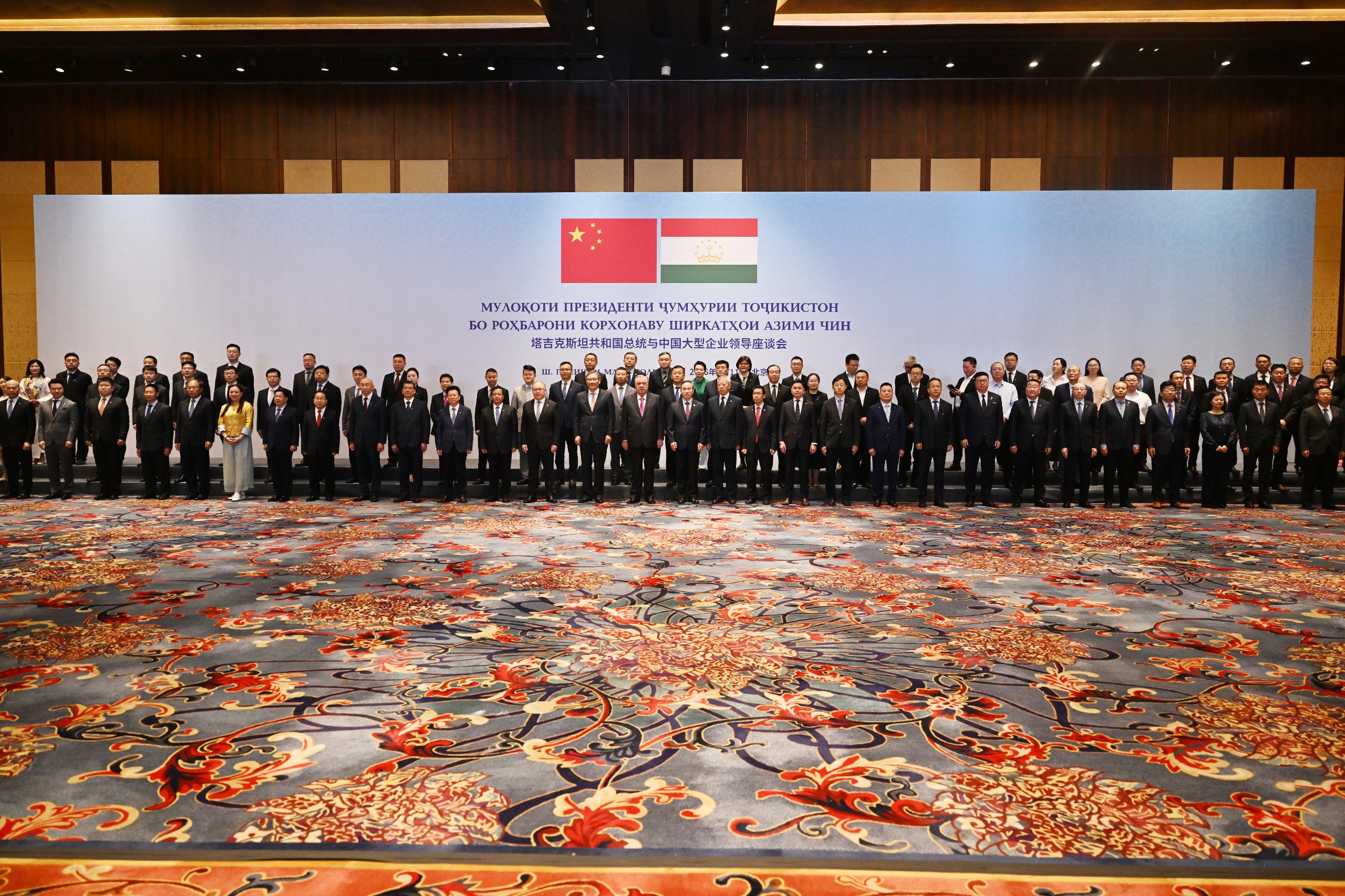
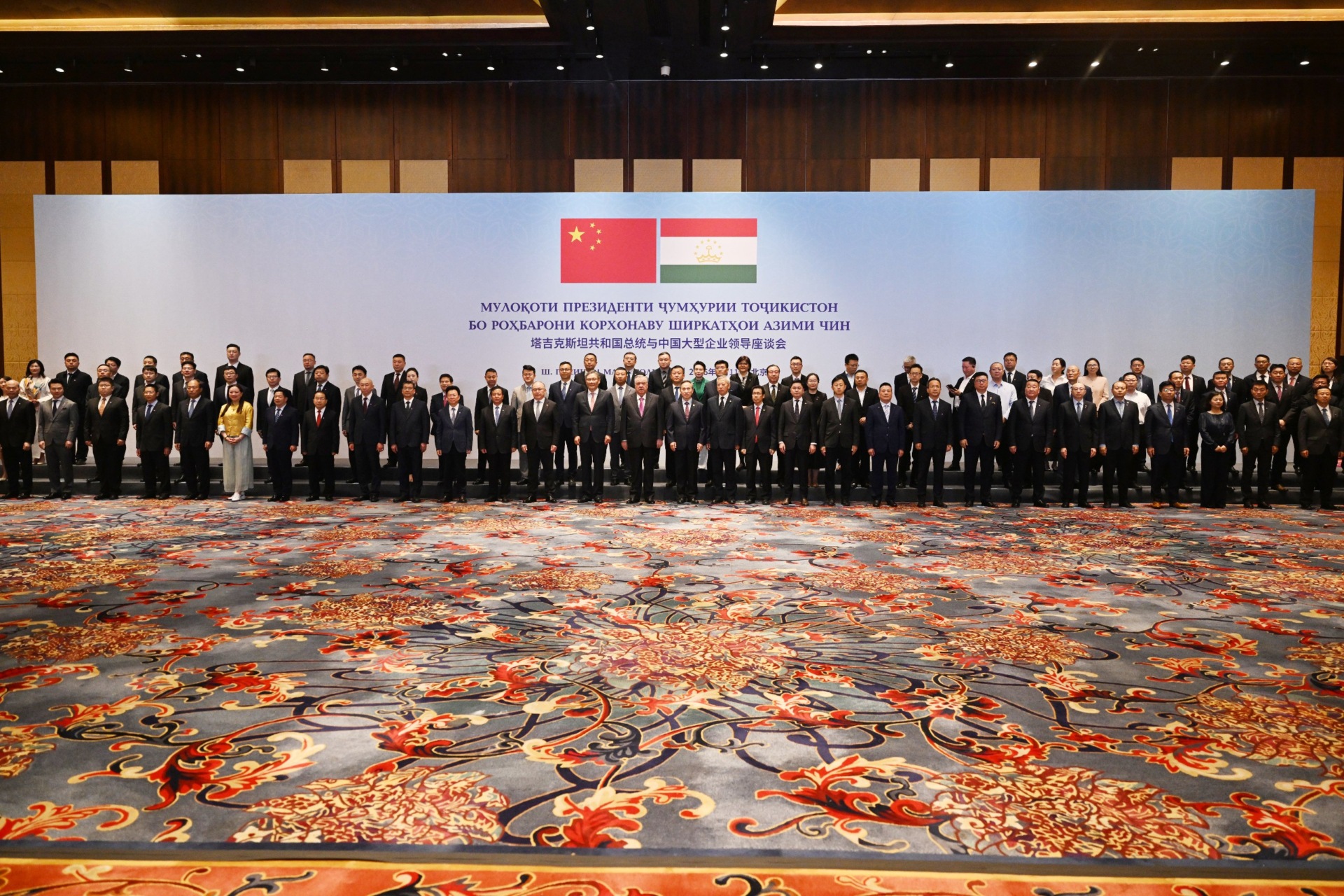
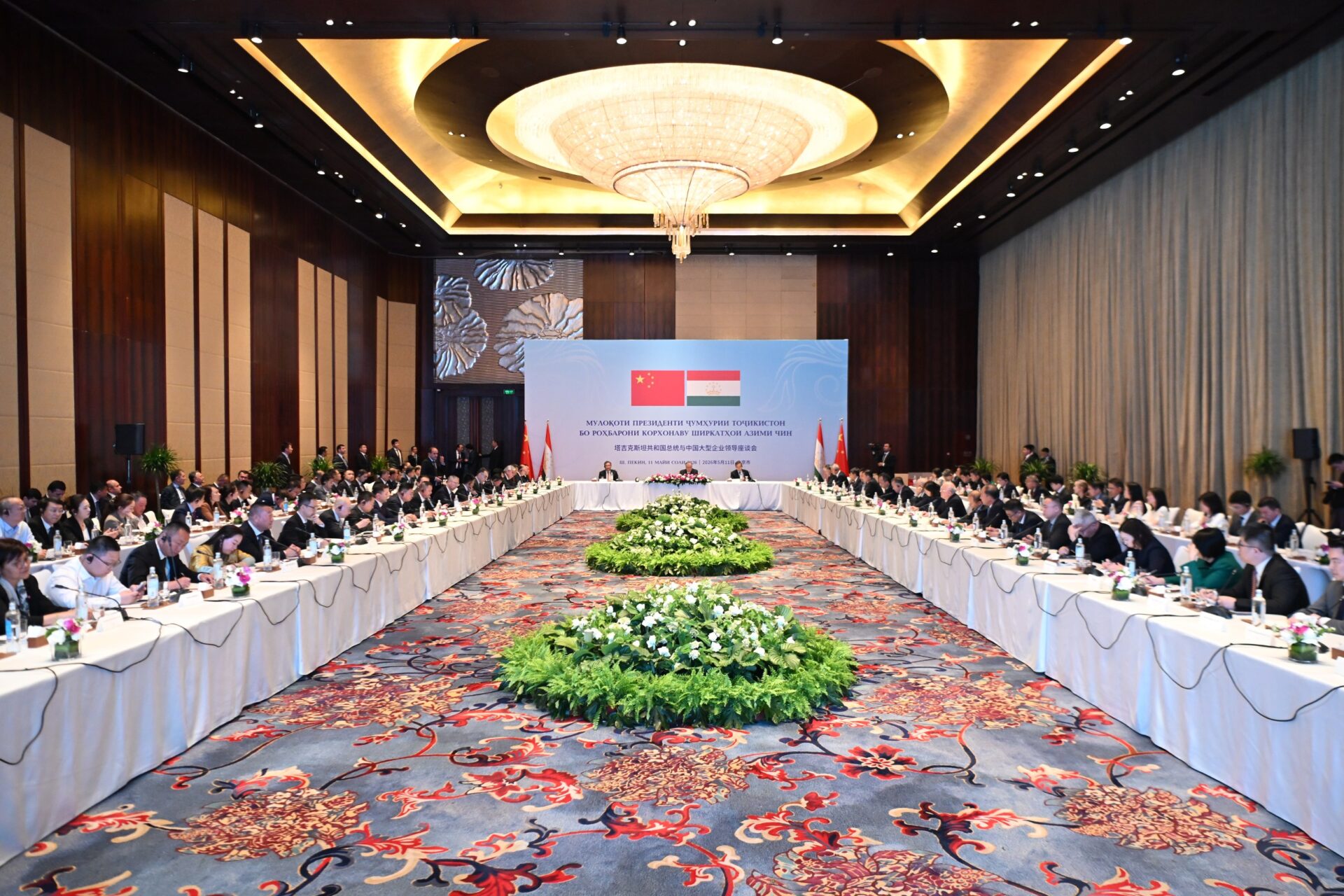
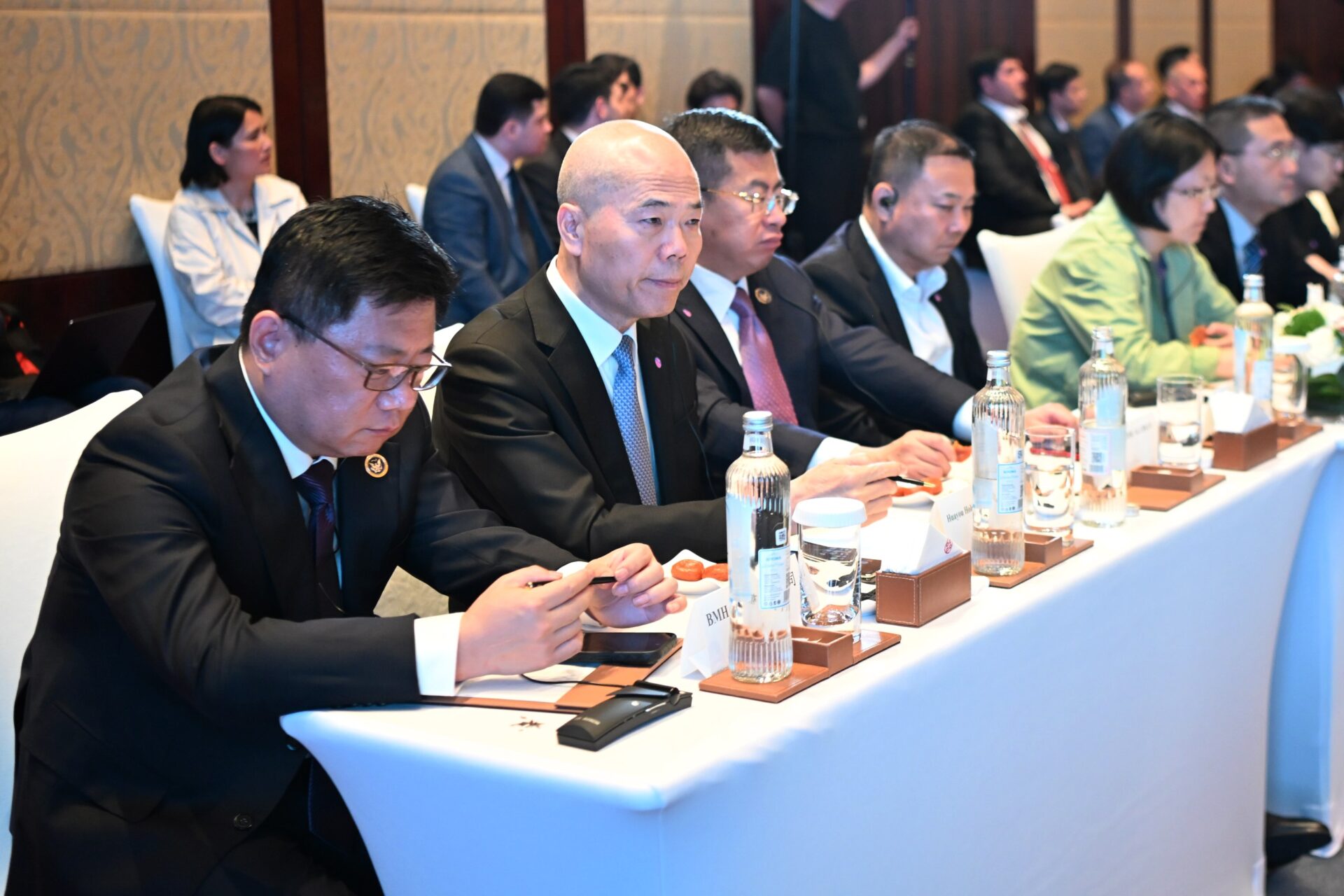
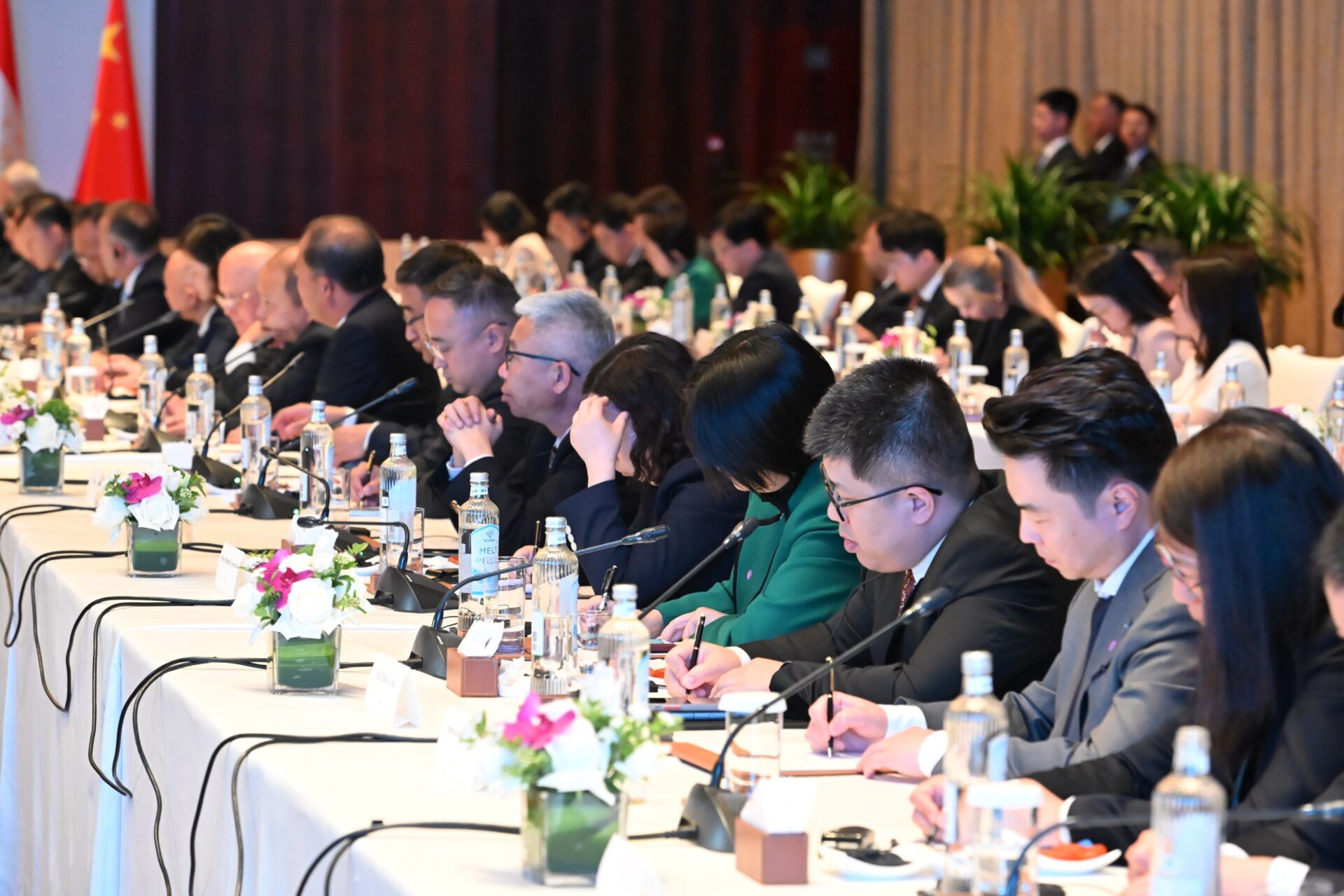
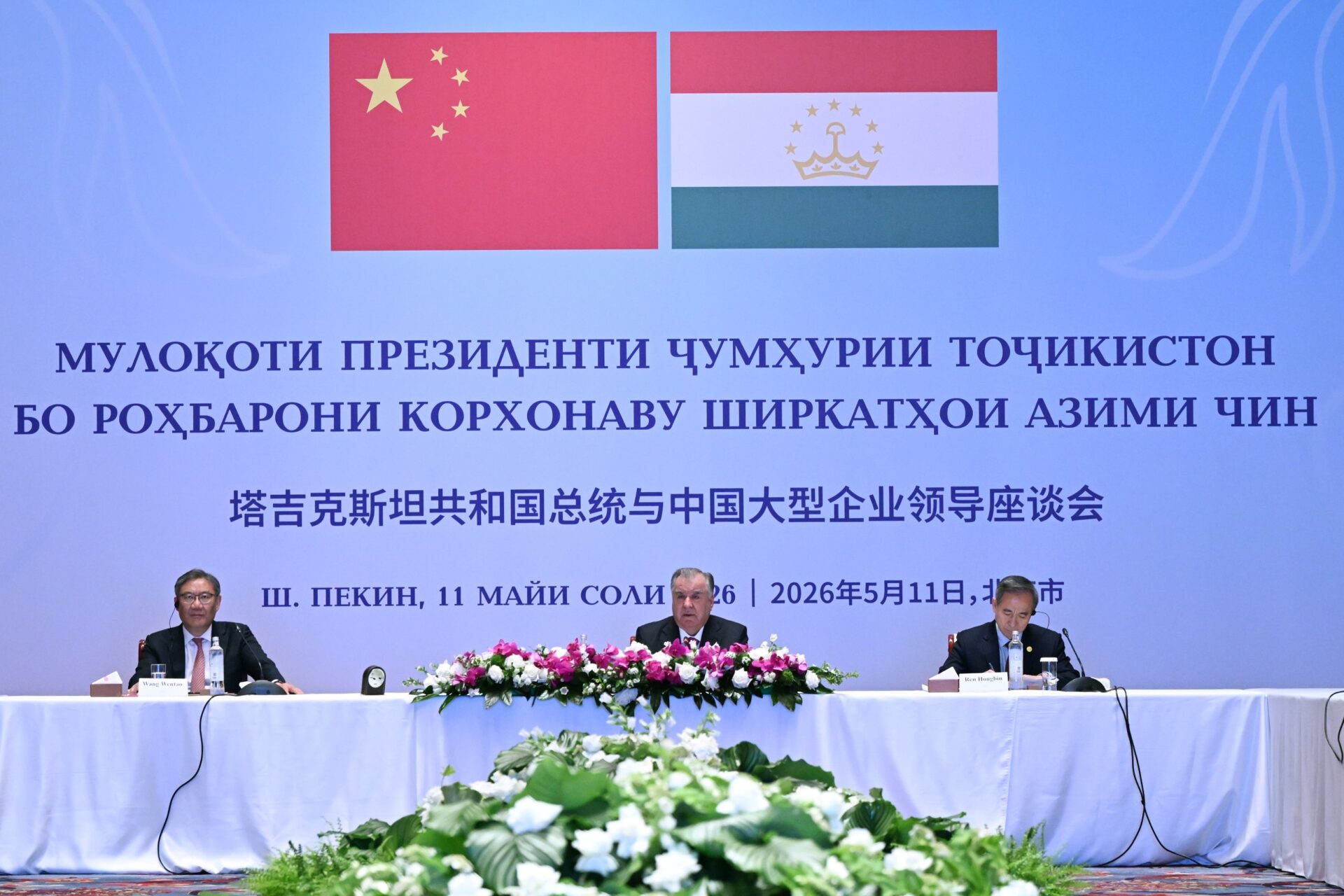
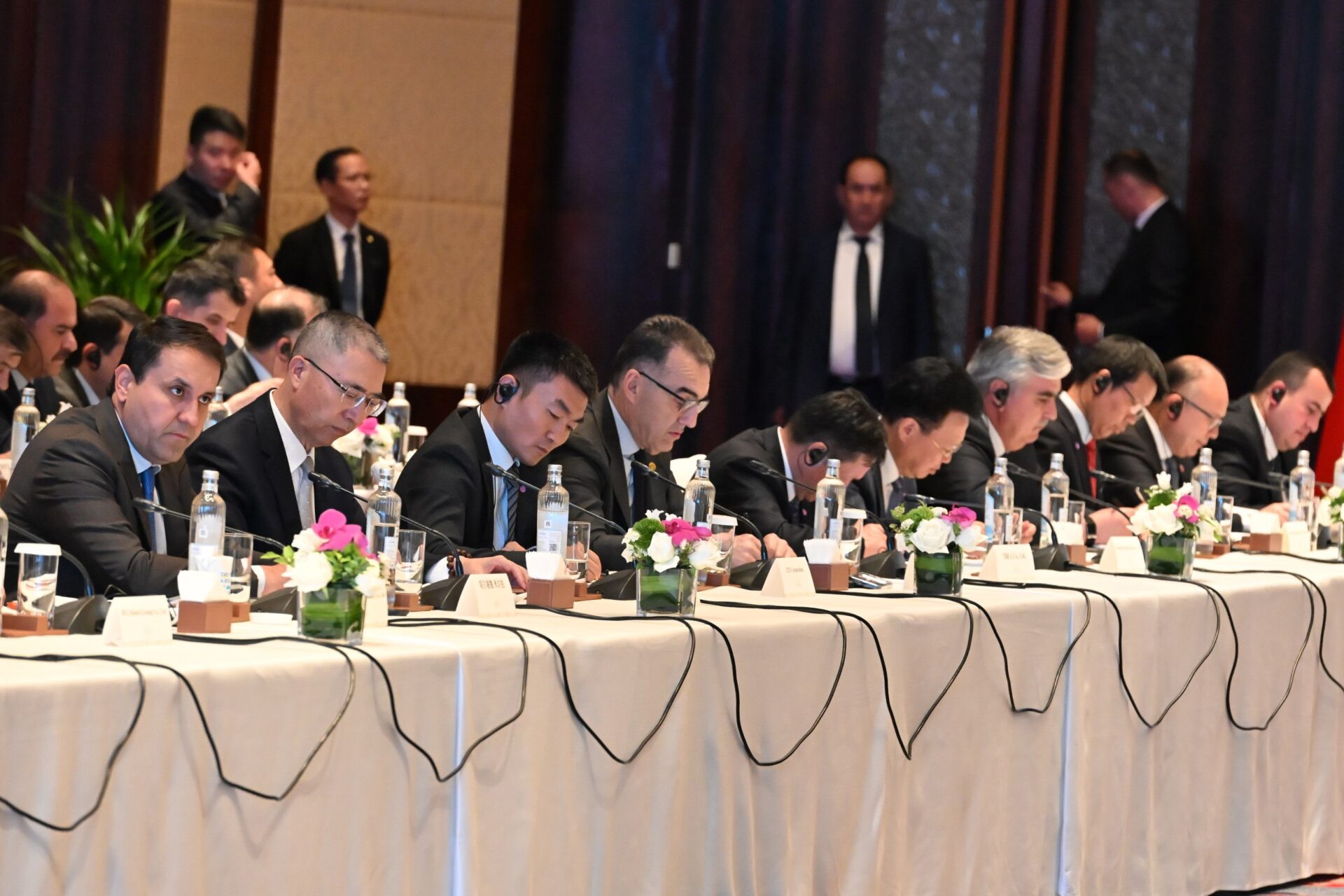
Tajik President Emomali Rahmon met with executives and representatives of Chinese companies, during which the parties discussed expanding trade and investment cooperation and prospects for joint projects, according to the press service of the Tajik president.
During the meeting, Emomali Rahmon highlighted Tajikistan's favorable investment climate, the development of trade and economic ties between the two countries, and the extensive business opportunities. The head of state called China a reliable and key partner for Tajikistan in its economic development.
The President noted that significant trade figures have been achieved between the two countries. He stated that the total volume of Chinese investment in Tajikistan's economy has reached nearly $6 billion, of which approximately $3.5 billion is direct investment.
Emomali Rahmon discussed in detail the economic and structural reforms being implemented in the country, aimed at attracting investment and protecting its interests. Specifically, he reported that a new version of the Law of the Republic of Tajikistan "On Investments and Stimulation of Investment Activity" was adopted last year.
According to the head of state, the new regulation provides modern mechanisms for supporting investors, strengthens legal guarantees for capital protection, simplifies administrative procedures, and expands cooperation between the state and the private sector.
Speaking about opportunities for attracting investment, Emomali Rahmon noted Tajikistan's advantageous geographic location and the implementation of communications projects that facilitate the formation of new transport and energy corridors, as well as the development of interregional ties.
It was noted that last year, approximately $7 billion in foreign investment was attracted to the country's economy, of which approximately $900 million, or 12.5%, came from the People's Republic of China.
The President reported that over 300 public investment projects totaling approximately $13 billion are currently being implemented in Tajikistan. Chinese companies are participating as contractors in many of these projects. Currently, over 700 Chinese-owned companies operate in the country, spanning various economic sectors.
Emomali Rahmon paid special attention to the country's natural and energy resources. He emphasized that Tajikistan possesses enormous hydroelectric potential, ranking eighth in the world in this regard. Furthermore, the country boasts significant proven mineral reserves, including gold, silver, copper, lithium, antimony, zinc, and tungsten.
The head of state called the formation of modern transport and economic corridors in Tajikistan an important factor in developing cooperation with China, ensuring connections between China and the countries of South Asia with the Middle East.
The President also called on Chinese companies to pay attention to the development of a green economy, the efficient use of natural resources, and the introduction of modern technologies in Tajikistan.
In the industrial sector, opportunities were presented for establishing joint ventures in mineral extraction and processing, metallurgy, chemical and pharmaceutical industries, and light industry. Emomali Rahmon noted that one of the country's strategic goals is to create complete value chains and develop deep processing of raw materials within Tajikistan.
The agro-industrial complex, including the production and export of organic produce, was also identified as a promising area of cooperation. During his speech, the head of state emphasized the need to create logistics centers and processing facilities for agricultural products for export.
Emomali Rahmon also discussed digitalization, the development of artificial intelligence, and the activities of five free economic zones, which offer broad opportunities for the development of entrepreneurship and trade.
The prospects for Tajikistan's tourism industry were also presented, including the development of eco-tourism, mountain tourism, health tourism, and cultural tourism. According to the president, this is facilitated by the country's unique natural environment, rich flora and fauna, as well as historical monuments and ancient cities.
In conclusion, Emomali Rahmon called on Chinese companies to actively cooperate and participate in Tajikistan's dynamically developing economy.
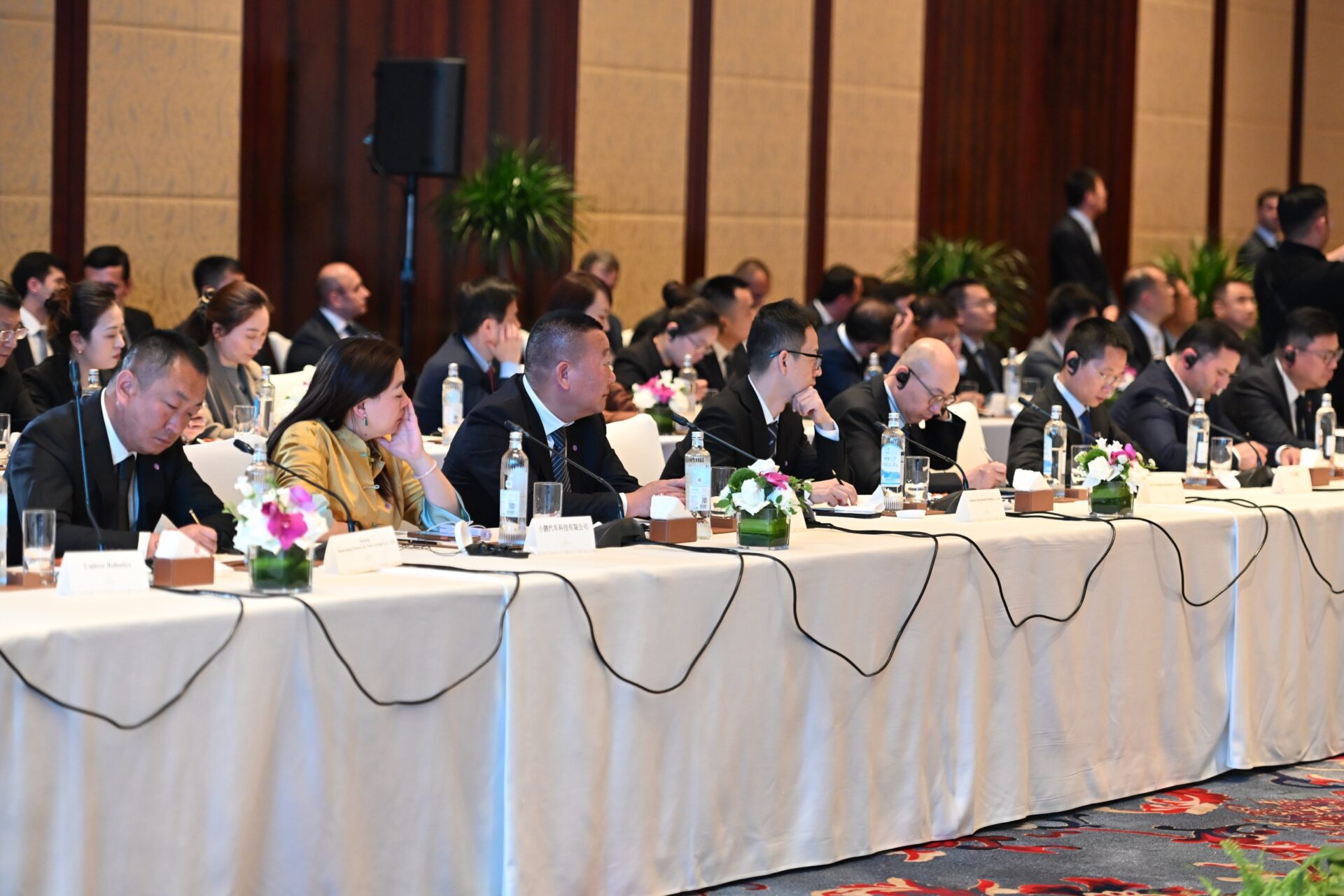
Following the President's speech, the meeting was also attended by Minister of Commerce of the People's Republic of China Wang Wentao, Chairman of the China Council for the Promotion of International Trade Ren Hongbin, and representatives of a number of large Chinese companies and enterprises.
Following the meeting and negotiations between Tajik and Chinese companies, more than 50 cooperation documents were signed, aimed at attracting over 8 billion US dollars to Tajikistan.
Some of the agreements were reached within the framework of the information technology forum "Digital Business Connections between Tajikistan and China" – Tajik-China Digital Business Connect.